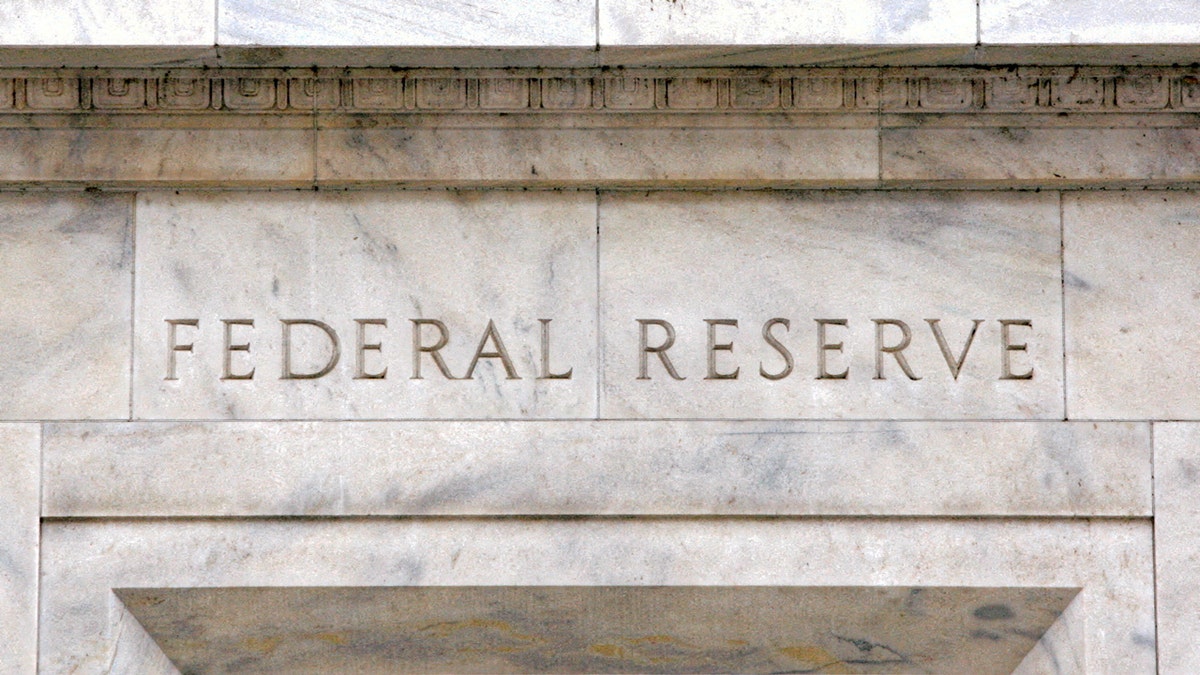
The Federal Open Market Committee gathers this Wednesday to decide the cost of money for the next six weeks, but the choice is already an illusion. While the financial press fixates on whether Jerome Powell will cut rates by a quarter-point or stay the course, the real story is that the central bank has lost its most potent weapon: the element of surprise. The Fed is no longer leading the market. It is managing a fragile psychological consensus that it spent two years building, and now it cannot escape without risking a systemic tremor.
We are currently witnessing the tail end of a massive experiment in monetary restriction. For the average consumer, this means mortgage rates that refuse to budge and credit card interest that feels predatory. For the Fed, it is a desperate balancing act. They need to lower rates to prevent a recession, yet they fear that doing so too early will reignite the very inflation they claim to have tamed. This Wednesday is not about a number. It is about whether the Fed can admit that its "higher for longer" mantra has reached its expiration date.
The Myth of the Soft Landing
Wall Street loves the phrase "soft landing." It implies a graceful descent where inflation vanishes without the messy reality of mass layoffs. But history suggests this is a rare bird, seen once in a generation and often misidentified until years later. The Fed's current position is hampered by a lag effect that most analysts ignore. Monetary policy takes eighteen months to fully penetrate the real economy. The rate hikes of last year are only just hitting the balance sheets of small businesses today.
When the Fed holds rates at these levels, they aren't just fighting inflation. They are actively draining the liquidity required for mid-sized banks to function. We saw the cracks in early 2023 with the regional banking crisis, and while those holes were patched with emergency lending facilities, the underlying rot remains. High rates have turned trillions of dollars in low-yield Treasury bonds into liabilities for the banks holding them. If Powell does not signal a retreat soon, the "soft landing" may turn into a structural collapse of credit availability.
Inflation is Not a Monolith
The central bank’s obsession with a 2% inflation target is increasingly detached from the reality of the 2026 economy. Inflation isn't just a result of "too much money chasing too few goods" anymore. It is driven by structural shifts that interest rates cannot fix. De-globalization, the aging workforce, and the massive costs of the energy transition are inflationary by nature. Jerome Powell can raise rates to the moon, but it won't produce more semiconductors or lower the cost of a nursing home.
The Housing Stranglehold
Housing remains the stickiest component of the Consumer Price Index. Ironically, high interest rates are making housing more expensive, not less. By keeping mortgage rates elevated, the Fed has frozen the housing market. Homeowners with 3% mortgages refuse to sell because they cannot afford to trade up to a 7% loan. This has collapsed inventory, keeping home prices artificially high despite the lack of buyers.
The Fed is using a blunt instrument to solve a supply-side problem. Until they acknowledge that high rates are preventing the construction of new units by making developer loans prohibitively expensive, the housing component of inflation will remain trapped.
The Shadow of the National Debt
There is a silent guest at the FOMC table this Wednesday: the U.S. Treasury. The federal debt has surpassed $34 trillion, and the cost of servicing that debt is now rivaling the defense budget. Every month that the Fed keeps rates at these levels, the interest expense on the national debt balloons.
This creates a conflict of interest that no central banker wants to discuss publicly. The Fed is supposed to be independent, but it cannot ignore that its policy is pushing the federal government toward a fiscal cliff. If rates stay high, the government must issue more debt just to pay the interest on existing debt. This is a debt spiral in its infancy. The markets know it, and eventually, the bond vigilantes will demand even higher yields to compensate for the risk, regardless of what the Fed decides on Wednesday.
The Labor Market Mirage
Unemployment numbers look good on paper, but the surface-level data hides a shift toward precarious employment. We are seeing a surge in part-time work and multiple-job holders while full-time corporate roles are being quietly phased out through "quiet cutting" and automation.
The Fed views a "tight" labor market as a precursor to a wage-price spiral. They want to see more slack—a polite way of saying they want higher unemployment. But the current labor tightness isn't caused by a booming economy; it's caused by a shrinking pool of available workers. Punishing the economy with high rates to fix a labor shortage is like trying to fix a broken leg by skipping lunch. It doesn't address the root cause, and it leaves the patient weaker.
The Corporate Debt Wall
A massive wave of corporate debt is scheduled to be refinanced over the next eighteen months. Thousands of companies that stayed afloat on "zombie" debt during the era of zero-percent interest rates are about to face a reckoning. When these loans come due, they will be refinanced at double or triple the previous interest rate.
This is where the real recession risk lies. It’s not in the consumer spending at the mall; it’s in the corporate boardrooms where CEOs are looking at their debt-to-equity ratios and realizing they have to cut staff to survive the interest payments. If the Fed doesn't start the cutting cycle this Wednesday, they are essentially signing the death warrants for a significant portion of the mid-market business sector.
The Global Ripple Effect
The U.S. dollar is the world’s reserve currency, which means the Fed’s "domestic" decisions are actually global mandates. High U.S. rates draw capital out of emerging markets and into the dollar, crushing the currencies of developing nations. This makes their own dollar-denominated debt more expensive and drives up the cost of imported fuel and food.
We are exporting inflation to the rest of the world. While the Fed focuses on the American consumer, it is inadvertently destabilizing global trade partners. A break in a major foreign economy, triggered by dollar strength, would wash back onto American shores faster than any domestic policy could contain. The Fed knows this, but they rarely mention it. They prefer to maintain the fiction that they are only looking at the U.S. mandates of price stability and maximum employment.
The Credibility Trap
Jerome Powell’s greatest fear is becoming Arthur Burns, the Fed Chair of the 1970s who cut rates too early and allowed inflation to roar back. Powell wants to be Paul Volcker, the man who broke inflation's back with brutal discipline. But 2026 is not 1979. The debt levels are higher, the economy is more financialized, and the social fabric is more frayed.
The Fed has spent years convincing the market that they are "data-dependent." However, the data they use is backward-looking. By the time the data shows a recession has started, it is often six months too late to stop it. This lag is the trap. If they wait for "clear and convincing evidence" that inflation is dead, they will have already stayed at the party long after the oxygen has run out.
The Market's False Hope
Every time the Fed meets, the market rallies on the hope of a "dovish pivot." This hope itself is a problem for the Fed. When stocks rally, it loosens financial conditions, which is the opposite of what a restrictive policy is supposed to do. Essentially, the market’s optimism makes the Fed’s job harder, forcing them to use tougher language to beat the exuberance back down. It is a dysfunctional relationship where both parties are lying to each other.
Moving Toward the Exit
What should we actually expect this Wednesday? Expect a masterclass in ambiguity. The Fed will likely hold rates steady while tweaking the language of their statement to suggest that a cut is "under consideration" for the next meeting. This is their standard operating procedure: socialize the idea of a change long before the change actually happens.
But the window for a clean exit is closing. The longer they wait, the more they rely on the hope that nothing breaks in the plumbing of the global financial system. Hope is not a strategy. The "neutral rate"—the mythical interest rate that neither stimulates nor restricts the economy—is likely much higher than it used to be. The Fed is searching for a destination in the dark, and their only map is a set of economic theories that haven't been updated for the post-pandemic world.
Watch the "dot plot," the chart where individual Fed members project where they think rates will be in the future. If those dots move higher, the Fed is signaling that they are prepared to sacrifice the economy to win the war on inflation. If they move lower, they are admitting that the pressure of the debt and the slowing labor market is becoming too much to ignore.
The real danger isn't that the Fed will make the wrong move this Wednesday. The danger is that they have already made it, and we are just waiting for the consequences to arrive. The central bank is no longer the master of the economy; it is a passenger on a ship that has already turned its engines off.
Look at the yields on two-year Treasuries versus ten-year Treasuries. This "inversion" has been screaming about an impending recession for a record amount of time. Usually, the Fed listens. This time, they seem determined to prove the markets wrong, even if it means breaking the very system they are sworn to protect.
Check the language regarding "quantitative tightening" (QT). While the interest rate gets the headlines, the Fed is also shrinking its balance sheet by nearly $95 billion a month. This is the "hidden" rate hike. Even if they keep the headline rate the same, the removal of liquidity through QT is tightening the screws on the banking system every single day. If they don't signal a slowdown in QT, the interest rate decision almost doesn't matter. The liquidity drain will eventually force their hand, likely in the middle of a crisis they didn't see coming.