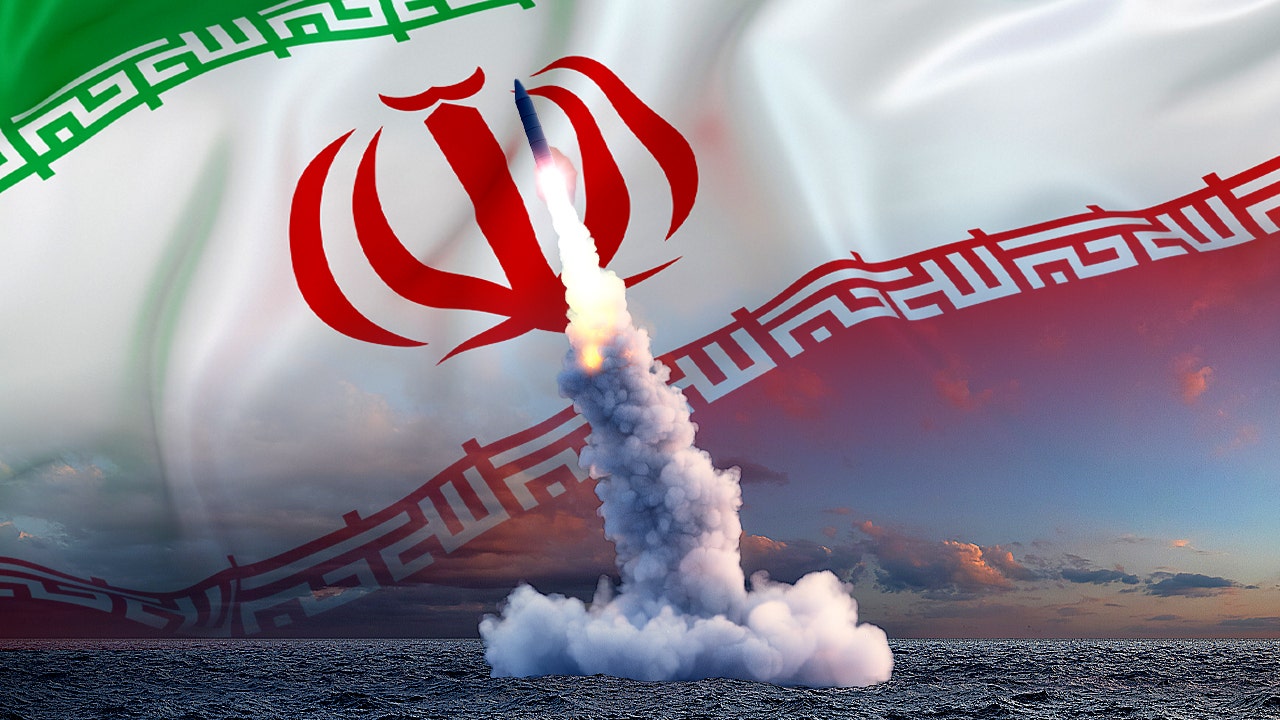
The headlines are screaming again. Drones hitting fuel tanks. Fires at airports. Personnel lost in cross-border strikes. The narrative is always the same: we are one spark away from a "regional conflagration" that will melt the global economy and send oil to $200 a barrel.
It is a lie. Or, at best, a very profitable misunderstanding for those who sell clicks and defense stocks.
What the mainstream media classifies as "escalation" is actually the system working exactly as intended. These aren't cracks in the foundation of Middle Eastern stability; they are the pressure valves. When you see a drone hit a fuel tank or a skirmish in a satellite state, you aren't seeing the start of World War III. You are seeing a highly choreographed, localized ritual of "managed instability."
The Myth of the Domino Effect
The "lazy consensus" suggests that a strike in Kuwait or a loss of life in Bahrain triggers a mandatory slide toward total war. This logic relies on an outdated, 20th-century understanding of Westphalian sovereignty. In 2026, power in the Middle East is no longer about borders; it is about corridors and energy logistics.
Major players like Iran, the UAE, and Saudi Arabia are not interested in a total war because total war is bad for the bottom line. The UAE, in particular, has spent the last decade transforming itself into a global logistics and luxury hub. They aren't going to throw that away because of a proxy skirmish.
When a "competitor" news outlet reports on these strikes with breathless panic, they ignore the Hotline Reality. Behind the scenes, the communication channels between adversarial intelligence agencies are more active during a strike than they are during peace. The goal isn't to win a war; it's to signal a boundary without triggering a catastrophe.
Why Oil Markets Stopped Caring
If you look at the Brent Crude charts during these "major escalations," you’ll notice something embarrassing for the doomsayers: the spikes are getting smaller. The market has developed an immunity to Middle Eastern noise.
Why? Because the world has fundamentally decoupled from the idea that a fire in a Kuwaiti airport equals a global energy shortage. Between the massive expansion of non-OPEC production and the sophisticated hedging strategies of global refineries, the "geopolitical risk premium" is being priced out of existence.
I have watched traders lose millions trying to "buy the war" every time a drone makes the evening news. They forget that the primary exporters in the region are more dependent on their customers than the customers are on them. A total blockade of the Strait of Hormuz is the "nuclear option" that would bankrupt the very people who initiated it. It is a suicide pact, not a military strategy.
The Proxy Paradox
The mistake most analysts make is treating groups like the Houthis or various militias as rogue wildcards. They aren't. They are outsourced foreign policy.
Using a proxy to hit a fuel tank allows a state actor to achieve a tactical objective—reminding a rival of their reach—without the legal or military repercussions of a state-on-state declaration of war. This is Asymmetric Equilibrium.
- State A wants to pressure State B.
- State A uses a proxy to cause a controlled amount of property damage.
- State B retaliates in a localized, non-existential way.
- Both sides tell their domestic audiences they "won."
- Business continues as usual at the ports.
This isn't "war news." This is a high-stakes trade negotiation carried out with kinetic tools.
The Bahrain-Iran-UAE Friction
The specific report of UAE personnel lost in Bahrain is tragic on a human level, but strategically, it’s a reinforcement of the status quo. Bahrain has long been the theater where the Saudi-UAE bloc and the Iranian influence sphere test each other's resolve.
If this were truly the "start of the big one," you would see the immediate suspension of commercial flights across the Persian Gulf. You would see the mass evacuation of foreign workers from Dubai. You would see the sovereign wealth funds liquidating international assets to fund a war chest.
Are we seeing that? No. We are seeing Dubai real estate continue to climb. we are seeing the UAE host global summits. We are seeing Kuwait invest billions into its "Vision 2035."
The people with the most skin in the game—the billionaires, the princes, and the infrastructure moguls—are betting that this "war" is just a series of controlled burns. You should too.
The Flaw in Your News Feed
The reason you feel like the world is ending is because news algorithms prioritize Immediacy over Impact.
A fire at an airport is immediate. It has "live" footage. It feels urgent. But the impact on the global supply chain of a single fuel tank fire is statistically zero. If you want to know if a real war is coming, stop looking at drone footage. Start looking at the insurance premiums for maritime shipping. If the London insurance markets aren't panicking, your Twitter feed shouldn't be either.
We are living in an era of Permanent Low-Level Conflict. This is the new "peace." It is messy, it involves occasional strikes, and it is tragic for the individuals on the ground. But it is not a regional war.
Stop Asking "When?" and Start Asking "Who Benefits?"
The premise of the question "When will the Middle East explode?" is flawed because it assumes the current state is "stable." It’s not. It’s a dynamic, shifting tension.
When you see these headlines, identify the beneficiary.
- Defense Contractors: They need the threat of drones to sell anti-drone systems.
- Short Sellers: They need the panic to drive down prices so they can cover.
- Political Leaders: They need an external enemy to distract from internal economic shifts.
If you are an investor or a business leader, the unconventional advice is simple: Ignore the kinetic noise. Focus on the structural investments. The "Dubai war news" is a distraction from the fact that the region is more integrated into the global economy than it has ever been. That integration is the ultimate deterrent.
Total war is too expensive to be a viable option for anyone in the 21st-century Middle East. The drone strikes aren't the beginning of the end; they are the price of doing business in a fractured world.
Turn off the "Live" updates. The fire will go out. The planes will land. The oil will flow.
Go back to work.