Tourism is a blood sport.
When a Robinson R44 clips a ridge or loses power over a Kauai beach, the media follows a tired, predictable script. They lead with "horror," pivot to "tragedy," and wrap up with a somber reminder of how "beautiful" the island is. This narrative is a sedative. It lulls the public into believing these incidents are freak occurrences—unlucky lightning strikes in a tropical Eden.
They aren't. They are the mathematical certainty of an industry that prioritizes "the shot" over the physics of survival.
If you think a helicopter tour is a luxury excursion, you are wrong. It is a high-stakes calculation where the passenger is rarely told the true odds. We need to stop talking about "accidents" and start talking about the systemic failure of aviation oversight in the Hawaiian Islands.
The Robinson R44 Problem No One Discusses
Let’s get technical. The Robinson R44 is the Honda Civic of the skies. It’s light, it’s relatively affordable, and it’s everywhere. But unlike a Civic, it doesn’t handle "unexpected" very well.
In the aviation world, we talk about Power Available vs. Power Required.
$$P_{req} = T \times v$$
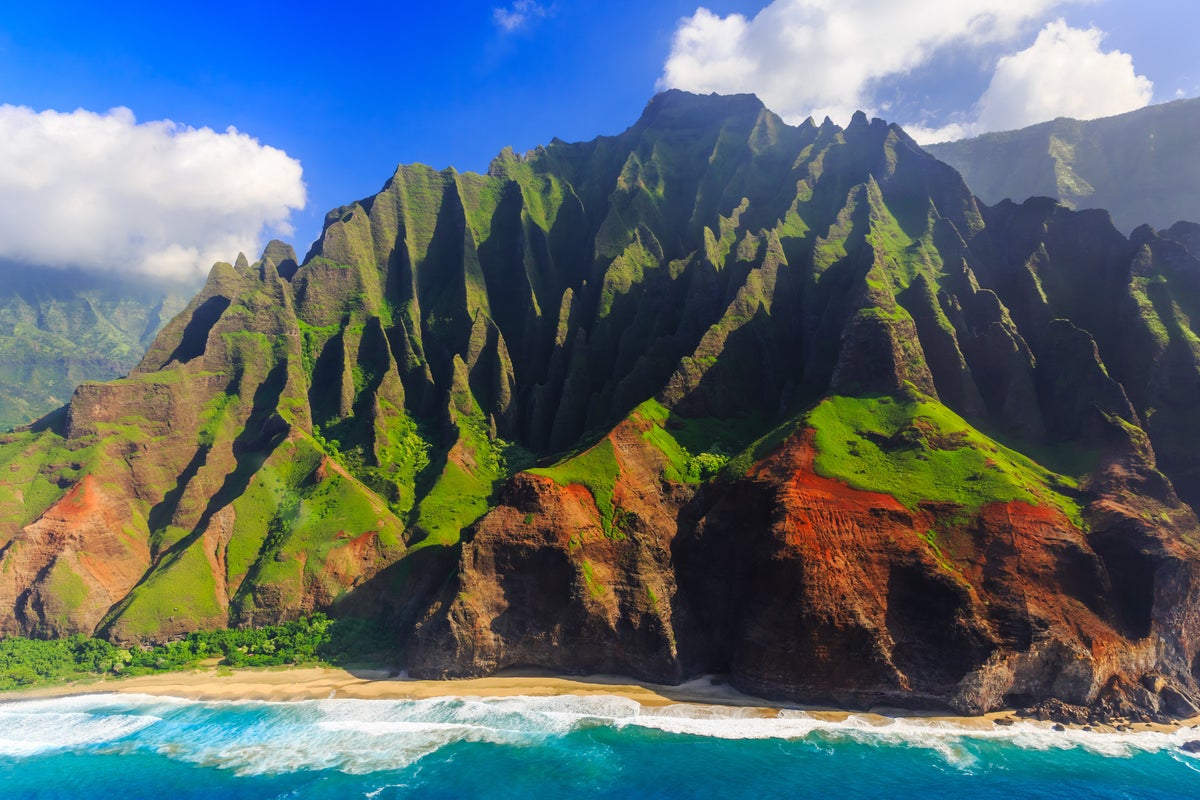
In the jagged, micro-climate-heavy terrain of Kauai’s Na Pali Coast, that equation is constantly under assault. You have massive orographic lift, sudden downdrafts, and salt-laden air that eats at airframes. When a pilot is trying to give three passengers a "face-to-face" view of a waterfall, they are often operating on the razor’s edge of the R44’s performance envelope.
The industry consensus is that these machines are safe if maintained. The contrarian reality? They leave zero margin for error in an environment that demands 200%. If you are flying in a light, piston-engine helicopter over some of the most volatile terrain on Earth, you aren't a tourist. You’re a test pilot who forgot to check the telemetry.
The Myth of the "Experience" Pilot
Every tour brochure boasts about "highly experienced" pilots with "thousands of hours." In the aftermath of a crash, the media repeats these credentials like a shield.
It’s a hollow metric.
I’ve seen pilots with 5,000 hours of flatland flying crumble when the "Kauai Catabatic" winds start screaming down a canyon. Total time in the air is a vanity metric. What matters is Time in Type and Time in Terrain.
Hawaii’s flight corridors are congested alleys. You have tour operators, private charters, and military traffic all squeezed into narrow visual flight rules (VFR) paths. The "lazy consensus" says that more technology—more GPS, more ADS-B—will fix this.
It won't.
Technology creates a dangerous phenomenon called Target Fascination. Pilots stare at the screen to avoid other birds while the weather closes in behind them. On Kauai, the weather doesn't change by the hour; it changes by the ridge line. By the time a pilot realizes they are "socked in," the exit is already gone.
The FAA’s Paper Tiger Regulation
Why does this keep happening? Because the FAA treats Hawaii like it’s Kansas with palm trees.
The NTSB (National Transportation Safety Board) has been screaming into the void for years. They’ve recommended stricter weather minimums and mandatory flight data recorders for tour operators. The response from the regulators? Bureaucratic shrugs and "studies."
The current regulations are built for "Normal Category" rotorcraft. But there is nothing "normal" about flying 500 feet off a cliff face in 25-knot gusts.
- The Weight Lie: Tours are priced by the seat. Operators are incentivized to max out the weight capacity. A max-weight R44 has the maneuverability of a wet brick when a gust hits.
- The Maintenance Lag: Salt spray isn't just a vibe; it’s a chemical attack. The maintenance intervals required to keep a fleet truly airworthy in Hawaii would bankrupt half the "budget" operators.
- The "Show Must Go On" Pressure: When a tourist pays $350 for a 50-minute flight, they don't want to hear about "marginal VFR." Pilots feel the squeeze to deliver the "horror-free" experience, leading to Plan Continuation Bias. They push into the clouds because turning back feels like a failure.
Stop Asking "Is it Safe?"
People always ask: "Is it safe to fly in Hawaii?"
That is the wrong question. It’s a binary trap. The real question is: "Is the risk-to-reward ratio justified for a souvenir photo?"
For three people on that Kauai beach, the answer was a definitive no.
If you insist on seeing the islands from the air, stop looking for the cheapest ticket. Look for twin-engine aircraft. Look for operators who use the AS350 (AStar) rather than the R44. Demand to see the pilot’s specific "mountain time" logs.
But most importantly, accept the brutal truth that the industry won't tell you: Hawaii’s geography is actively trying to swat helicopters out of the sky. Every time you lift off, you are betting your life that a 30-year-old airframe design can outmuscle a Pacific gale.
The Brutal Advice You Won’t Follow
If you want to see the Na Pali Coast, hike it. If you can't hike it, take a boat.
The obsession with the "bird's eye view" has created a market that rewards reckless proximity to danger. We’ve commoditized the adrenaline of near-miss aviation and sold it as a family-friendly activity.
Until the FAA mandates a "Hawaii-Specific" pilot certification and bans light-piston helicopters from commercial tour corridors, the body count will continue to rise.
The next time you see a headline about a "tragic" crash in paradise, don't look at the wreckage. Look at the brochure that sold the dream.
The crash wasn't the tragedy. The tragedy was the belief that paradise owes you a safe return just because you paid for the ticket.
Walk away from the helipad.