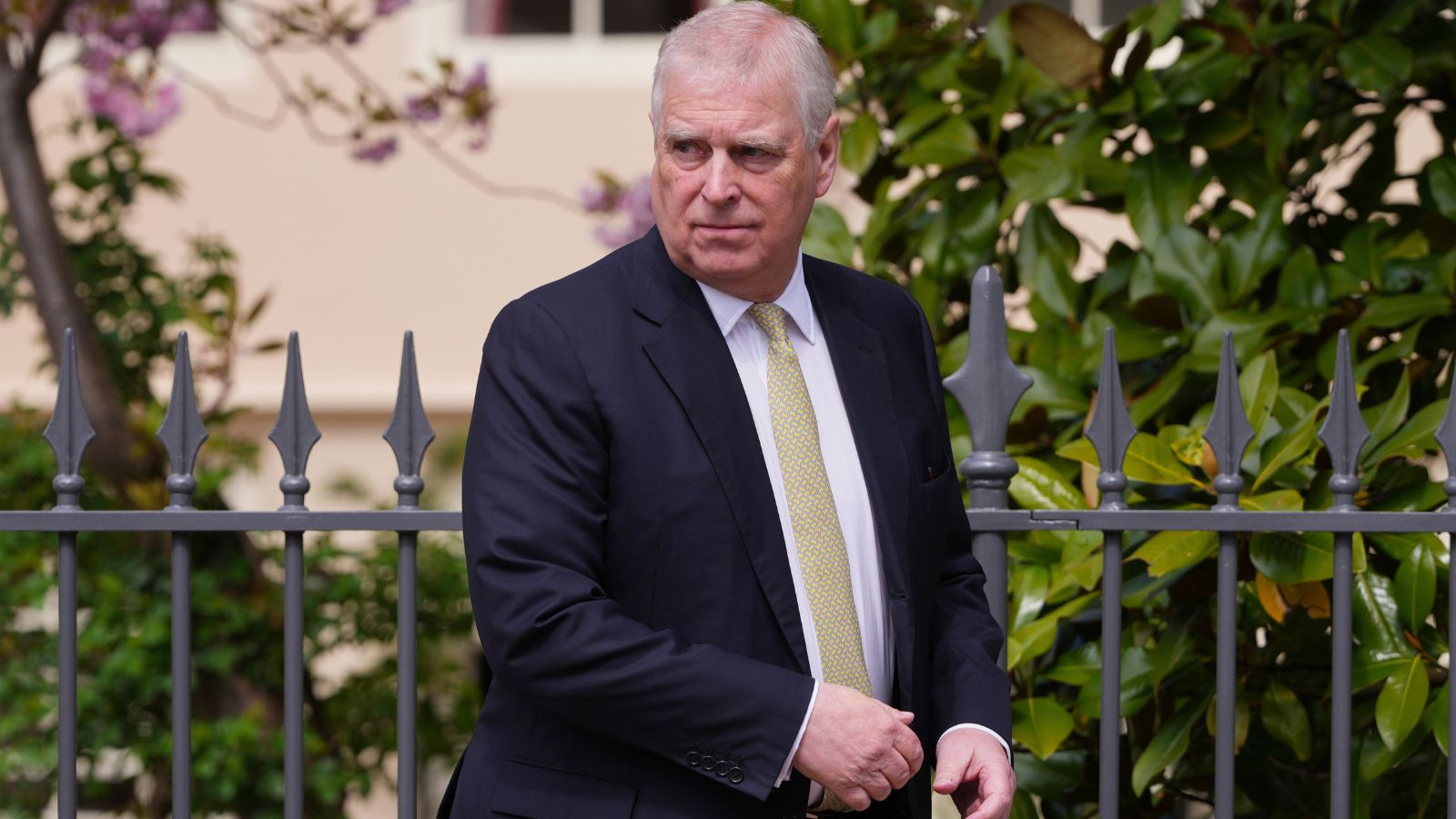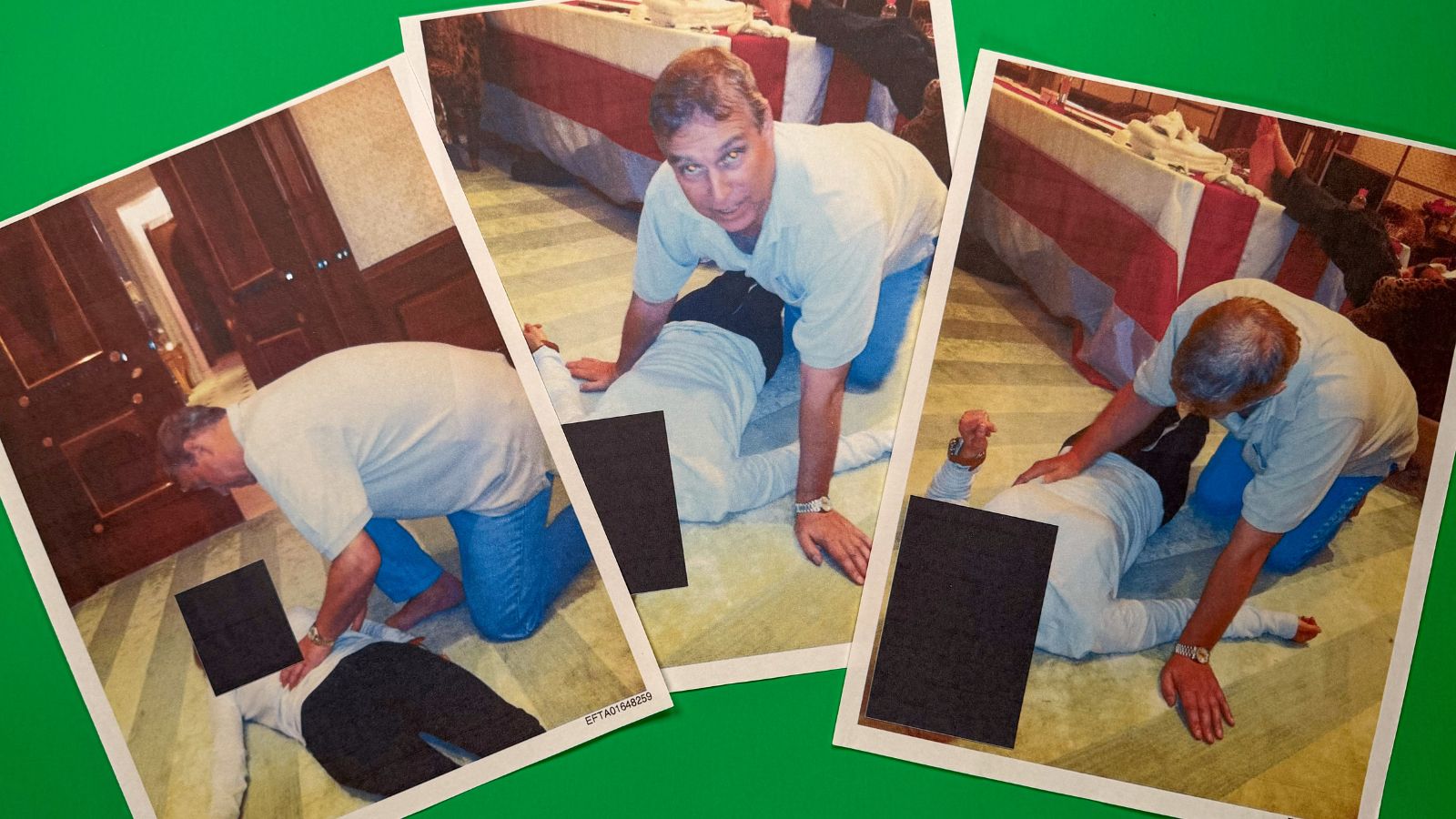
The man formerly known as Prince Andrew spent the night of his 66th birthday in a manner he likely never envisioned during his decades at the heart of the British Establishment. On February 19, 2026, Andrew Mountbatten-Windsor was arrested by Thames Valley Police at Wood Farm on the Sandringham Estate. He was detained on suspicion of misconduct in public office, specifically concerning allegations that he shared classified government information with the late sex offender Jeffrey Epstein during his tenure as a U.K. trade envoy. After 11 hours of questioning at Aylsham police station, he was released under investigation. This arrest marks the first time a senior member of the royal family has been taken into custody in nearly 400 years, signaling a definitive collapse of the protective "gilded cage" that once shielded him from legal consequence.
The investigation does not center on the well-documented allegations of sexual assault, which were settled in a 2022 civil suit. Instead, detectives are following a digital paper trail found within millions of pages of newly released U.S. Department of Justice documents. These records allegedly show that between 2010 and 2011, while acting as the U.K.’s Special Representative for International Trade and Investment, Andrew forwarded sensitive trade reports and investment briefs to Epstein. One email, dated November 2010, was reportedly sent to Epstein just five minutes after Andrew received it from government officials.
The Paper Trail that Bypassed Royal Immunity
For years, the public narrative surrounding Andrew focused on his personal conduct and his inability to read the room. However, the current police probe suggests a much more calculated betrayal of public trust. Misconduct in public office is an ancient common law offense, and in the U.K., it carries a maximum sentence of life imprisonment. To secure a conviction, prosecutors must prove that a public officer—a status Andrew held by virtue of his trade envoy role—willfully neglected their duty or committed misconduct to such a degree that it amounted to an abuse of the public's trust.
The documents released last month appear to show Andrew sharing confidential details regarding trade missions to Hong Kong, Vietnam, and Singapore. More troubling are references to a confidential brief on investment opportunities in Afghanistan. Why a convicted sex offender like Jeffrey Epstein would require real-time updates on British trade interests remains the central question for investigators. It suggests a relationship that was not merely a social lapse in judgment, but an active, functional partnership where state secrets were treated as social currency.
A King Who Will Not Protect His Own
The most striking shift in this saga is the posture of Buckingham Palace. When Queen Elizabeth II was alive, the royal machinery worked overtime to provide a "soft landing" for her favorite son. King Charles III has taken the opposite approach. By stripping his brother of his remaining royal styles, honors, and his residence at Royal Lodge in late 2025, the King effectively signaled that the monarchy would no longer serve as a sanctuary.
"The law must take its course," was the terse statement issued by the King following the arrest. This wasn't just a PR move; it was a survival tactic for a modern monarchy that realizes it cannot survive the weight of Andrew’s mounting legal liabilities. By allowing the police to enter a royal estate and lead his brother away for questioning, Charles has prioritized the institution over the individual.
The Legislative Guillotine
While the criminal investigation moves at a police pace, the British government is preparing its own strike. For years, the idea of removing Andrew from the line of succession was dismissed as a "waste of parliamentary time." That changed the moment the handcuffs clicked.
Chief Secretary to the Treasury Darren Jones recently informed the House of Commons that the government is "not ruling out action" regarding the Act of Settlement. Currently, despite his disgrace, Andrew remains eighth in line to the throne. Removing him requires a complex legislative process involving multiple Commonwealth parliaments, yet there is now a rare cross-party consensus that his presence in the line of succession is an "intolerable" risk to the state.
The Silence of the Protection Officers
Thames Valley Police have taken the unusual step of publicly urging current and former protection officers to come forward with what they "saw or heard." This is a direct challenge to the "omertà" that usually surrounds royal security details. For decades, the Metropolitan Police’s Royalty and Diplomatic Protection department has been the ultimate gatekeeper of royal secrets. If even one officer breaks rank and provides testimony regarding the movement of documents or the nature of the meetings between Andrew and Epstein, the defense of "unwitting association" will vanish.
Andrew’s legal team has remained silent, but the images of a "haunted" man slouched in the back of a car leaving a police station speak louder than any press release. He is no longer a prince protected by the divine right of kings or the deference of the British press. He is a private citizen under investigation for a crime that strikes at the heart of national security.
The investigation continues, and while no charges have been filed yet, the message from the authorities is clear. The era of the untouchable royal is over.
The next step for the Crown Prosecution Service will be the application of the "Full Code Test"—determining whether there is a realistic prospect of conviction and if a trial is in the public interest. Given the current temperature of the country, the latter is no longer in doubt.