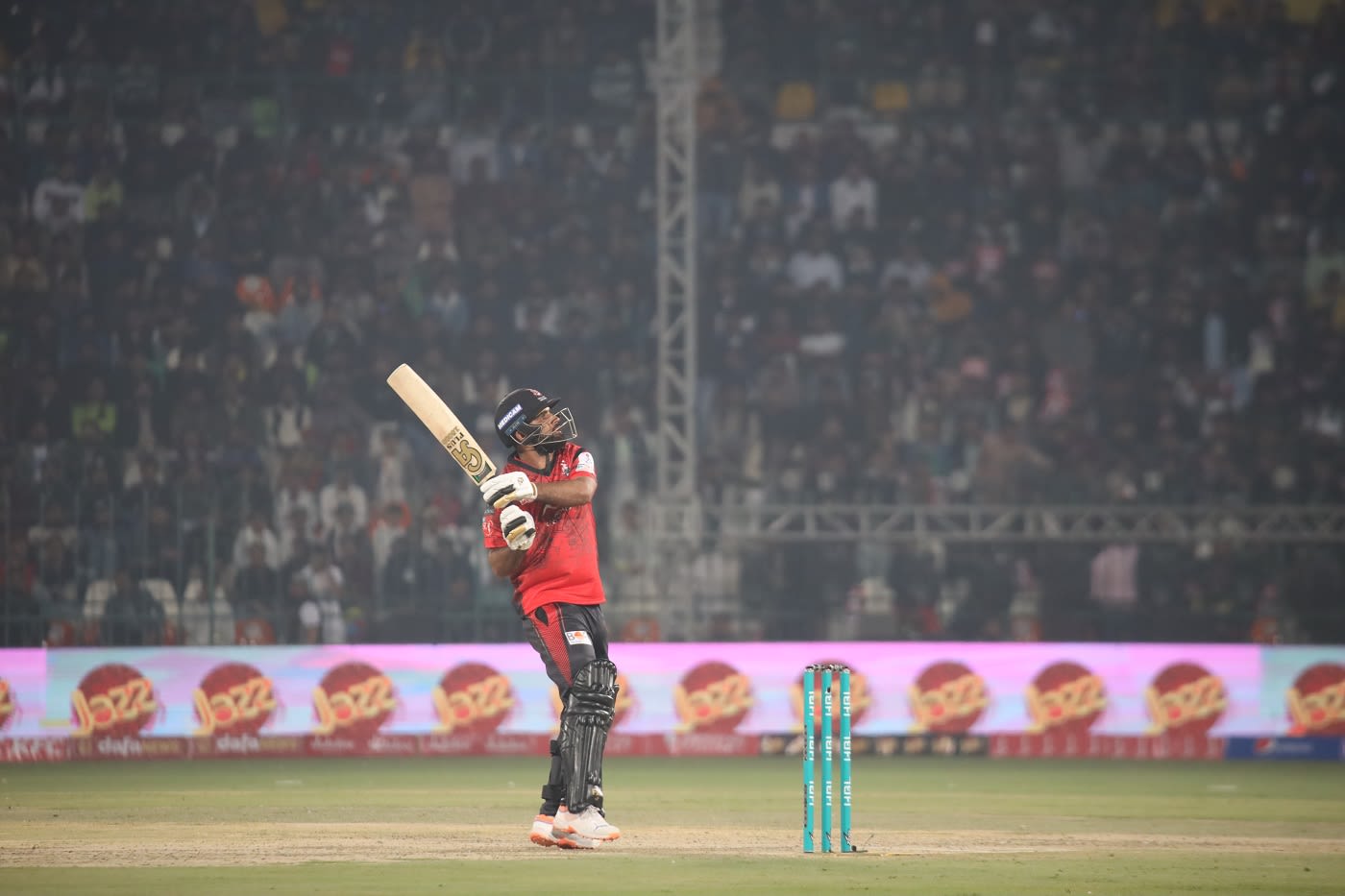
The Pakistan Super League (PSL) has long been the crown jewel of Pakistan’s sporting identity, but the recent two-match ban handed to Fakhar Zaman for ball tampering marks a dark shift in the tournament's integrity. Zaman, an opening batsman known more for his explosive power than for underhanded tactics, was caught by high-definition cameras during a crucial mid-season clash. The evidence was undeniable. The Pakistan Cricket Board (PCB) moved swiftly, imposing a two-match suspension and a hefty fine, but the fallout goes much deeper than a simple disciplinary action. It exposes a desperate culture where the pressure to perform in high-stakes franchise cricket is overriding the basic ethics of the sport.
Ball tampering is not a new sin in cricket, yet seeing it manifest in a domestic league of this caliber suggests a systemic failure in player management and oversight. The PSL is no longer just a development ground; it is a multi-million dollar pressure cooker.
The Mechanics of a Reputation in Ruins
To understand the gravity of the Fakhar Zaman incident, one must look at the physical act itself. Ball tampering involves altering the condition of the ball to gain an unfair advantage, typically to encourage reverse swing. This is often achieved by using fingernails, bottle caps, or even sandpaper to roughen one side of the leather. In Zaman’s case, the match officials identified "unnatural" scuffing that did not align with regular wear and tear on a cricket pitch.
The irony here is palpable. Zaman is a batsman. Usually, ball tampering is the domain of the bowling unit—the fast bowlers looking for that extra bit of movement or the fielders acting on their behalf. When a senior batsman and a national hero becomes the designated "enforcer" for illegal tactics, it points toward a premeditated team strategy rather than a moment of individual madness.
The PCB’s code of conduct is clear on this. A Level 3 offense, which covers changing the condition of the ball, carries a minimum penalty of a two-match ban. By sticking to the letter of the law, the league avoided a "slap on the wrist" narrative, but they have failed to address the shadow this casts over the Lahore Qalandars' culture.
Pressure Cookers and the Incentive to Cheat
Why would a player of Zaman's stature risk everything for a few millimeters of movement through the air? The answer lies in the brutal economics of franchise cricket. In the PSL, careers are made and broken in the span of four weeks. For a player like Zaman, who has struggled with inconsistency in the international arena over the last eighteen months, the PSL is his fortress. Losing that dominance isn't just a blow to his ego; it’s a threat to his market value.
The gap between success and failure in T20 cricket has shrunk to such a degree that teams are looking for any edge. If the pitches are flat and the boundaries are short, bowlers are essentially cannon fodder. In this environment, "working the ball" becomes a desperate survival mechanism. We saw a similar desperation during the infamous 2018 "Sandpapergate" involving the Australian national team. The common thread is a leadership group that prioritizes winning at all costs over the spirit of the game.
The Failure of Leadership in the Dressing Room
An investigative look at this incident cannot ignore the role of the coaching staff and the captaincy. It is highly unlikely that a senior player decides to tamper with the ball in a vacuum. Usually, there is a silent consensus or an explicit instruction. The silence from the Lahore Qalandars' management in the immediate aftermath of the ban was deafening. Instead of an internal investigation or a public apology, the initial reaction was a defensive posture, questioning the camera angles and the match referee’s interpretation.
This defensiveness is a symptom of a larger problem in Pakistan cricket. There is a historical tendency to circle the wagons when a star player is caught in a controversy. Whether it was the spot-fixing scandal of 2010 or various doping allegations over the years, the institutional response is often to protect the asset rather than preserve the integrity of the game.
Technological Policing vs. Human Intuition
The only reason Fakhar Zaman is sitting out the next two games is the sheer density of cameras at a modern PSL match. We are no longer in an era where a player can hide behind a teammate during a change of ends. Every pocket is scrutinized. Every thumb movement is logged.
The match referee, Roshan Mahanama, utilized high-resolution playback to confirm that the ball was being picked at during the 12th over of the second innings. What the cameras couldn't capture, however, was the intent. Was this a spontaneous act of frustration, or a calculated move to help his bowlers defend a sub-par total? The physical evidence suggested calculation. The leather was lifted in a specific pattern designed to catch the wind, a move that requires more than a casual scratch.
The Economic Impact of the Ban
Beyond the moral questions, there is the cold, hard reality of the leaderboard. Zaman is the engine room of his franchise. A two-match ban at this stage of the tournament is a death knell for the Qalandars' playoff hopes.
- Lost Revenue: Sponsors pay for visibility. When the face of the franchise is sidelined for cheating, the brand association turns toxic.
- Team Balance: Replacing a specialized opener on 24 hours' notice disrupts the entire batting order.
- Fan Sentiment: The PSL relies heavily on the "hero worship" of its local stars. When a hero falls, ticket sales and viewership numbers among the youth demographic often see a measurable dip.
The Ghost of 2010 and the Weight of History
Pakistan cricket is a landscape haunted by the ghosts of past scandals. For a country that worked so hard to bring international cricket back to its soil, an incident like this is a massive step backward. Every time a Pakistani player is caught cheating, it rejuvenates the old stereotypes that the cricketing world has spent a decade trying to forget.
The PCB needs to realize that a two-match ban is a temporary fix for a permanent stain. If they want to be taken seriously as a top-tier professional league, they need to implement mandatory "Integrity Workshops" for every player, regardless of their veteran status. Experience does not equate to ethics. In fact, as we’ve seen with Zaman, seniority can sometimes breed a sense of untouchability.
The Professionalism Gap
Comparing the PSL to the IPL or the Big Bash League reveals a startling gap in how these incidents are handled internally. In the Big Bash, a player caught tampering would likely face a season-long ban and a termination of their contract by the franchise itself to protect the brand. In the PSL, there is a sense that the league is still "finding its feet," which leads to a softer approach toward its biggest stars.
The league cannot afford to be a "nursery" for bad habits. If players feel they can cheat in the PSL and only lose two games, what stops them from carrying those habits into the T20 World Cup or a Test series? The boundary between franchise loyalty and national duty has blurred, and Fakhar Zaman’s actions are the inevitable result of that confusion.
How to Fix the Culture of Deception
The solution isn't just more cameras. It’s a fundamental restructuring of how players are incentivized. If a captain is held personally responsible for the condition of the ball—with the threat of a points deduction for the entire team—the "lone wolf" tamperer disappears.
We must also look at the role of the umpires. Currently, the on-field umpires are often hesitant to confront star players directly, preferring to leave the heavy lifting to the match referee after the game. This delay allows the tainted ball to remain in play for several overs, potentially changing the outcome of the match before the penalty is even discussed. The ball should be changed the moment suspicion arises, with an immediate five-run penalty, as stipulated in the ICC laws.
The Reality of the "Working the Ball" Myth
Players often defend their actions by claiming they are merely "maintaining" the ball. There is a fine line between polishing the ball with sweat and saliva (the latter now banned) and actively damaging the fibers of the leather. Zaman’s defenders have argued that he was merely cleaning dirt off the seam.
This argument holds no water when analyzed by professional ball manufacturers. Cleaning a seam does not involve the concentrated pressure on the "quarter seam" that was observed. To the trained eye of a match official, the difference between maintenance and sabotage is as clear as day.
The Immediate Road Ahead
Fakhar Zaman will return to the field after his two-match penance. He will likely score runs, and the commentators will likely talk about his "redemption arc." But the scouting reports for the rest of his career will now have a permanent footnote. Opposition captains will be watching him. Umpires will be hovering.
The PCB must now decide if they want the PSL to be a league of excellence or a league of convenience. If they choose excellence, they need to make the next Fakhar Zaman afraid to even look at the ball the wrong way. The integrity of the game is not a renewable resource; once it’s gone, no amount of marketing or star power can bring it back.
Stop treating these incidents as isolated errors in judgment and start treating them as what they really are: an assault on the fundamental fairness of the sport. Every scratch on the ball is a scratch on the league’s soul. Until the punishment outweighs the potential reward of cheating, the sandpaper and the fingernails will stay in the game. It is time for the PCB to stop being a bystander in its own house.