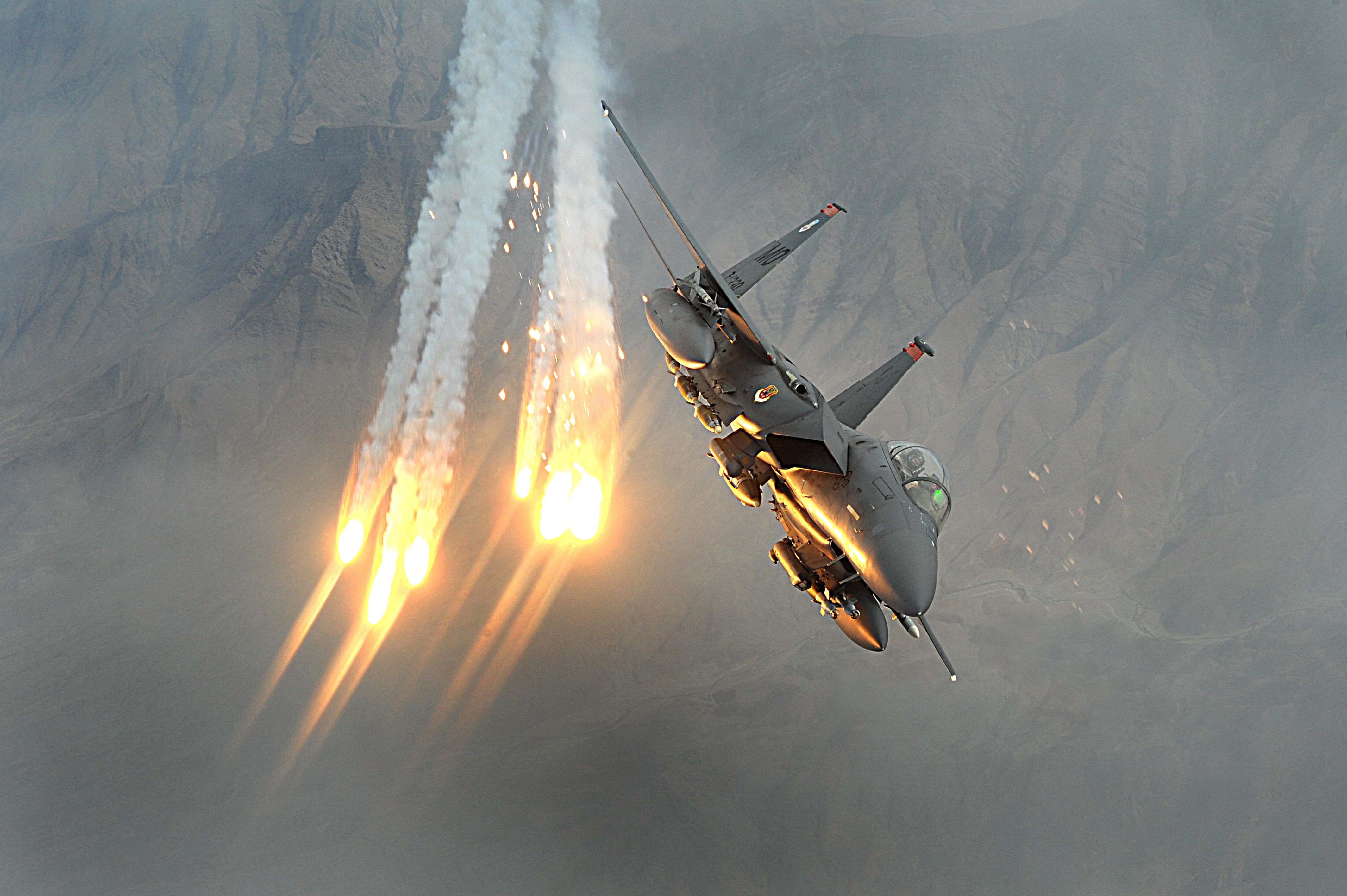
The reports hit the wires on Friday and immediately sent a shiver through DC. A U.S. Air Force F-15E Strike Eagle is down inside Iranian territory. This isn't just another mechanical failure or a "lost contact" scenario. It’s the first time a American fighter has been brought down by enemy fire since this conflict kicked off five weeks ago on February 28. If you've been following the official line that the U.S. has total air superiority, this is the moment that narrative starts to crack.
One crew member is safe. We know that much. Israeli media and U.S. officials confirmed a successful rescue for one of the two people on board. But the second person? They're still out there. Right now, there’s a frantic, high-stakes game of hide-and-seek happening in the rugged terrain of southwestern Iran.
What actually happened to the Strike Eagle
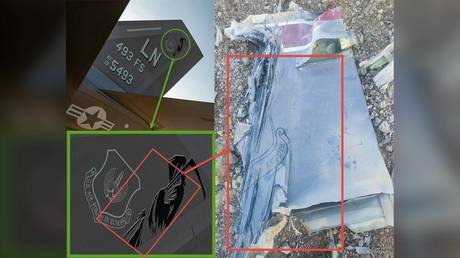
Initially, Iranian state media tried to claim they’d bagged a trophy—an F-35 Lightning II. It makes for a better headline, but the wreckage tells a different story. Photos circulating on social media show a vertical stabilizer with a red stripe. Forensic analysts and aviation geeks quickly pinned that marking to the 494th Fighter Squadron, out of RAF Lakenheath.
That confirms it’s an F-15E Strike Eagle. Unlike the F-35, the Strike Eagle is a two-seat bird. It carries a pilot and a Weapons Systems Officer (WSO). While one was pulled out, the other is likely on the ground in the Kohgiluyeh and Boyer-Ahmad province. This is a mountainous, difficult region. It's the kind of place where a rescue mission becomes a nightmare real fast.
The bounty on the second pilot
Tehran isn't just waiting for their military to find the missing crew member. They’ve turned it into a public hunt. The provincial governor has already gone on state TV promising a "valuable reward"—reportedly around $60,000—to any civilian who captures or kills the remaining American.
It’s a brutal tactic. By incentivizing the local population, Iran is making every village and every shepherd a potential threat. We’ve seen footage of U.S. HH-60 Pavehawk helicopters and C-130s flying low over the area, and local residents are actually taking potshots at them. This isn't a "clean" rescue. It’s a combat search and rescue (CSAR) operation in a hot zone.
Why this changes the math for the U.S. military
For weeks, President Trump and Defense Secretary Pete Hegseth have projected an image of absolute control. They’ve talked about bombing Iran "back to the Stone Age" and hitting energy infrastructure. But losing a jet to a "new type of air defense system"—as the IRGC claims—suggests Iran’s capabilities haven't been completely dismantled.
Here’s why this is a big deal:
- The Pilot Factor: Having an American service member as a POW is a massive leverage point for Tehran. It complicates every future bombing run.
- The Tech Risk: Even though the F-15E isn't the newest jet in the fleet, the wreckage contains sensitive avionics. The IRGC has already posted photos of an ACES II ejection seat. They’ll be picking through that debris for every scrap of intel they can find.
- Public Opinion: Polls show Americans are already skeptical of this war. Images of a downed jet and a missing pilot make it much harder to sell the "mission accomplished" vibe.
The rescue mission is a gamble
Right now, U.S. Central Command is being uncharacteristically quiet. They haven't issued a formal statement on the jet’s tail number or the status of the search. But we know Israel is assisting. This suggests a level of coordination that goes beyond just sharing radar data.
The U.S. is using specialized assets like the HH-60 Pavehawk, which are designed for exactly this: grabbing people out of the dirt while under fire. But the longer the second crew member is on the loose, the lower the chances of a "quiet" extraction. If the Iranians get there first, the political fallout will be seismic.
If you’re tracking this, watch the Kohgiluyeh and Boyer-Ahmad region. The next 24 hours will determine if this is a minor tactical loss or a major strategic disaster. If the U.S. can't get that second crew member back, the pressure on the White House to escalate even further—or to find a way out—is going to become unbearable.
Keep an eye on the official CENTCOM social media feeds and Reuters updates. The situation is moving fast, and the "official" version of events is likely trailing the reality on the ground by several hours.