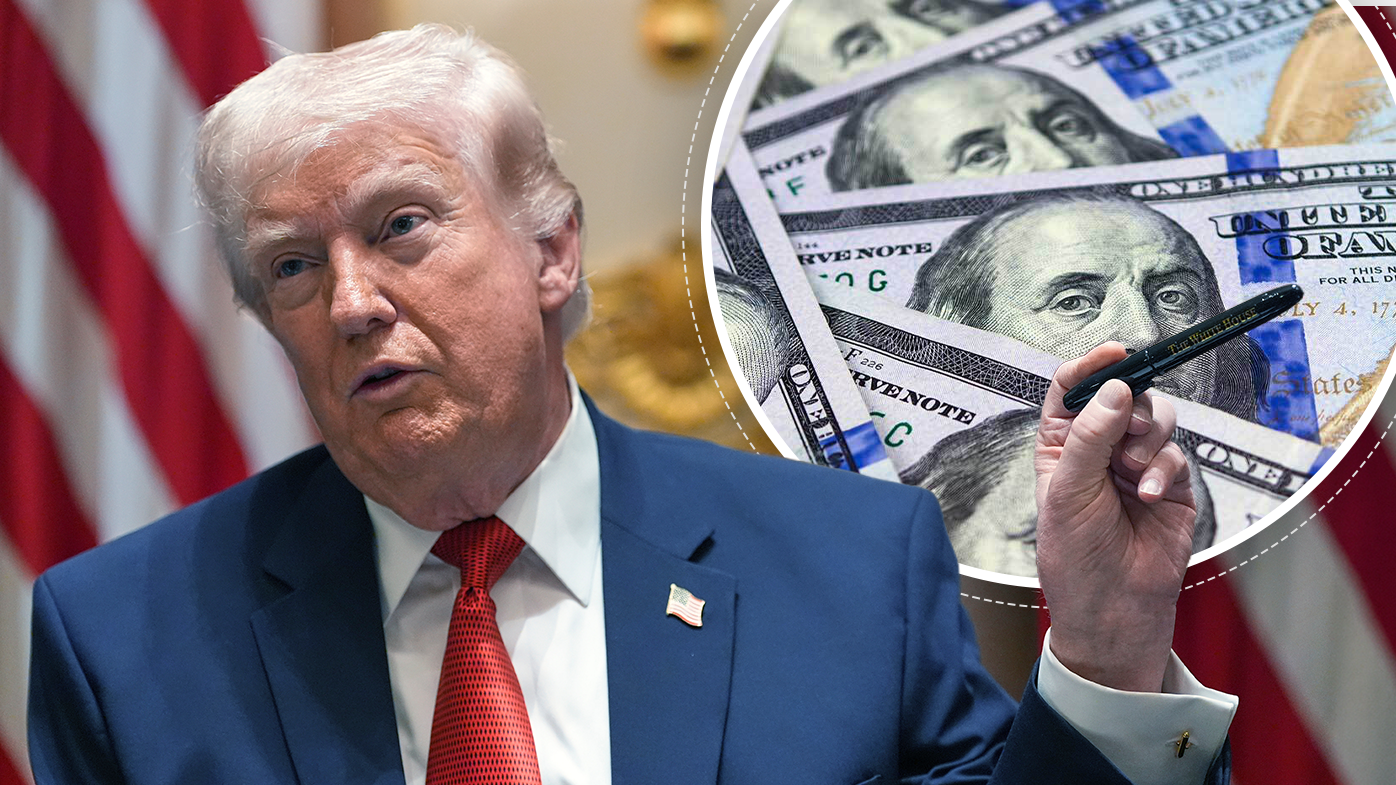
We were told 2026 would be the year the British consumer finally caught a break. Inflation was supposed to be a memory, interest rates were meant to be sliding, and the "cost of living crisis" was supposed to be a phrase we used in the past tense. Instead, we’re watching a nightmare of geopolitical volatility and surging energy prices dismantle that hope in real-time.
The reality on the ground is grim. Just as the April energy price cap was set to drop to £1,641, providing a tiny bit of breathing room for households, the conflict in the Middle East—specifically the escalation involving Iran—sent wholesale markets into a frenzy. Now, analysts like Cornwall Insight are warning that the July cap could spike by over £300. It's a massive blow to confidence that has basically wiped out any benefit from the government's recent tax cuts or policy shifts. Meanwhile, you can explore related events here: The Caracas Divergence: Deconstructing the Micro-Equilibrium of Venezuelan Re-Dollarization.
The Mirage of Falling Bills
For months, the narrative was focused on the "April 2026 saving." The government moved policy costs, specifically the Energy Company Obligation (ECO) and parts of the Renewables Obligation, off energy bills and onto general taxation. This was supposed to shave an average of £150 off annual household costs. It sounded great on paper.
But a £150 saving doesn't mean much when the underlying wholesale cost of gas and electricity is being driven up by tankers avoiding the Strait of Hormuz. Because the UK is still structurally dependent on imported gas, we're uniquely exposed to these global price shocks. We didn't build enough storage, and our North Sea production is fading faster than a winter sunset. To see the bigger picture, check out the excellent report by Harvard Business Review.
The result? The "recovery" feels like a lie to the average person. When your petrol costs jump nearly 20p a gallon in three weeks and your projected energy bill for the summer suddenly looks higher than it was last winter, you don't go out and buy a new sofa. You stay home and worry.
Why Retail and Hospitality are Taking the Hit
British Retail Consortium data shows that consumer confidence hasn't just dipped; it has collapsed. This isn't just about people having less money in their pockets—it's about the psychological weight of "perpetual crisis."
Retailers are in a vice. On one side, their own operating costs are soaring. Standing charges for businesses have moved up aggressively, and for multi-site operators in hospitality, new transmission network charges (TNUoS) are projected to nearly double business energy costs by next year. On the other side, their customers are disappearing.
I’ve spoken to small business owners who say they’re basically working for the energy companies now. They’ve cut staff, they’ve limited menu options, and some are even closing during off-peak hours just to keep the lights off. It’s a survival mindset, not a growth mindset. When the High Street is in survival mode, the broader economy stalls.
The Debt Trap is Tightening
What's truly alarming is the "new normal" for household debt. Charities like StepChange are reporting that while the total number of people in energy debt has dipped slightly since the 2022 peak, the amount of debt per person is growing. The average energy debt for a struggling household is now over £2,500.
- Interest Rate Paralysis: We expected the Bank of England to keep cutting rates. Now, because energy-driven inflation is stickier than expected, those cuts are being paused. Some banks have even started hiking fixed-rate mortgage offers again.
- The Mortgage-Energy Double Whammy: A typical mortgage holder is seeing their monthly costs stay high or even rise by hundreds of pounds, just as their energy provider sends a "notice of price increase" email.
- The Low-Income Decile: For the poorest 10% of UK households, energy costs now swallow 10% of their total expenditure. There’s no "discretionary spending" left to cut. They are choosing between heating and eating, literally.
Moving Past the "Do Something" Reflex
The government’s reflex is always to throw a temporary subsidy at the problem. We saw it with the Energy Price Guarantee in 2022. But subsidies are a sticking plaster on a severed artery. They disguise the scarcity without fixing the underlying vulnerability.
If we want a real consumer revival, we have to stop being at the mercy of every missile launched in the Middle East. That means an aggressive, un-bureaucratic push for domestic energy security that goes beyond just "renewables." We need storage, we need grid reform that doesn't penalize businesses for existing, and we need a way to decouple domestic electricity prices from global gas volatility.
Right now, the UK consumer isn't reviving. They're bracing. And until they feel like the floor isn't going to drop out from under them every time the news cycle turns dark, the "recovery" will remain a spreadsheet fantasy.
What You Should Do Now
If you’re a household or a business owner, waiting for a government miracle isn't a strategy.
- Fix Your Rates If You Can: While the April cap is lower, the July outlook is volatile. If you see a fixed-rate deal that's within 5% of the current cap, it might be worth the peace of mind.
- Audit Your Energy Use: For businesses, this means looking at "load shifting." Can you run energy-intensive processes at night? For households, it’s the boring stuff—insulation and smart thermostats—that actually move the needle over twelve months.
- Debt Advice: If you're one of the millions in arrears, don't wait for the bailiff. Contact StepChange or Citizens Advice today. There are grants like the Warm Home Discount (£150) that many people still don't realize they're eligible for.