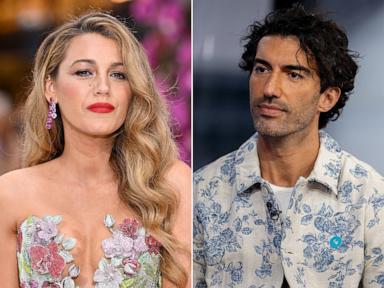
The headlines are screaming about a "setback" for Blake Lively. They are calling the recent dismissal of key claims in her lawsuit against Justin Baldoni a failure of justice or a procedural hiccup. They are wrong. What we are actually witnessing isn't the death of a legal battle; it’s the long-overdue death of the "A-list Producer" ego trip.
Mainstream media outlets have spent months obsessed with the behind-the-scenes friction of It Ends With Us. They’ve painted a picture of a fractured set, a clash of creative visions, and a legal system that just threw a wet blanket on Lively’s grievances. This narrative is lazy. It treats a complex employment and intellectual property dispute like a high school cafeteria spat.
The reality? The court’s decision to gut the majority of this lawsuit is a masterclass in how Hollywood contracts actually function when the cameras stop rolling and the lawyers start billing.
The Myth of the Creative Veto
The core of the "lazy consensus" surrounding this case is the idea that being the lead actress and a producer gives you an inherent right to total creative control. Lively’s team argued that her vision was sidelined. The court essentially looked at that argument and asked: "Where is it in writing?"
In this industry, we see stars blow millions of dollars on vanity lawsuits because they confuse "influence" with "authority." Unless your contract explicitly grants you Final Cut, your "creative vision" is a suggestion, not a mandate. Baldoni, acting as both director and producer through Wayfarer Studios, held the structural high ground.
Most entertainment reporting misses this nuance. They focus on the personality clash. I’ve seen projects dissolve into eight-figure losses because a lead actor thought their "vibe" trumped the director’s DGA-protected rights. The court isn't dismissing Lively because her claims are "wrong" in a moral sense; it’s dismissing them because Hollywood runs on paper, not feelings.
Tortious Interference Is Not A Catch-All For Hurt Feelings
Lively’s legal team leaned heavily on the concept of tortious interference—the idea that Baldoni or his team intentionally sabotaged her business prospects or her standing within the franchise. This is the "Hail Mary" of entertainment litigation.
To prove tortious interference, you need more than a tense atmosphere or a cold shoulder at a premiere. You need evidence of a third party being manipulated to break a contract. The court saw right through this. You cannot claim interference simply because the marketing campaign focused on one person over another, or because the editing room became a battleground.
- Fact Check: Conflict of interest is a business reality, not a legal liability.
- The Reality: The dismissal of these claims proves that "creative differences" are not actionable.
If every actor who felt "sabotaged" by a director’s edit could sue for interference, the courts would be backed up until the next century. This ruling restores the boundary between a bad workplace experience and a legal tort.
The PR Machine vs. The Legal Reality
We need to address the "People Also Ask" obsession: Who is winning the PR war? This is the wrong question. In the courtroom, there is no red carpet. The competitor articles are obsessed with how this dismissal affects Lively’s "brand." They suggest she needs to pivot or "recover."
She doesn’t need to recover her brand; she needs to fire her legal consultants. This lawsuit was a strategic blunder from day one. It attempted to litigate the "mean girl" narrative that the internet cooked up during the press tour. By bringing these issues into a court of law, Lively’s team forced a judge to quantify "meanness" and "creative exclusion."
The judge’s answer was a resounding: Zero dollars.
The industry insiders I talk to aren't surprised. We’ve seen this movie before. A star gets too big for the project's structure, tries to flex power they don't technically own on paper, and then gets a reality check from a judge who doesn't care about their Instagram following.
Why Baldoni’s "Victory" Is Precarious
Don't mistake this for a total exoneration of Justin Baldoni. While the dismissal is a massive tactical win, it doesn't solve the underlying problem: he presided over a toxic production.
The dismissal of the lawsuit doesn't mean the behavior alleged didn't happen; it means the behavior doesn't meet the high bar of legal recourse. This is the nuance the "Baldoni vs. Lively" fans ignore. You can be a nightmare to work with and still stay within the lines of your contract.
Imagine a scenario where a director intentionally uses a less-flattering take of an actress just to assert dominance. Is it petty? Yes. Is it a breach of contract? Almost never. The director’s job is to direct. If you want to control the edit, you buy the studio. You don't sue the guy who already owns the chair.
The Cost of the Vanity Producer Credit
We are seeing the fallout of the "Producer Credit" bubble. For the last decade, every major star has demanded a producer title as a prerequisite for signing on. It’s supposed to be a badge of power.
This case proves that for many actors, the producer title is a trap. It gives the illusion of agency without the actual legal protections of a production house. Lively’s claims failed precisely because they were built on the shaky ground of a titular producer trying to override the actual producer of record.
If you are an actor looking to "disrupt" the system, stop asking for the credit and start asking for the equity. Stop asking for "consultation rights" and start asking for Joint Venture status. Anything less is just a glorified participation trophy that won't hold up in front of a judge.
Stop Trying To Fix The Press Tour (Fix The Contracts Instead)
The advice circulating in the trades is that both parties need "better PR management." That is nonsense. PR can't fix a fundamentally broken power dynamic.
The actionable takeaway for the industry isn't about how to behave on a red carpet. It's about the Separation of Powers.
- Define Creative Disputes Early: If you don't have a binding arbitration clause specifically for "creative differences," you are asking for a lawsuit.
- Kill the "Shadow Edit": The rumors of Lively having her own cut of the film produced by a different editor are the real scandal here. If a studio allows a "star cut" to exist alongside a "director cut," they are inviting a legal meltdown.
- The Paper Trail is Everything: The court dismissed these claims because the grievances were largely subjective. In Hollywood, if it’s not in the deal memo, it didn't happen.
The competitor articles want to tell you this is a story about a movie star losing her grip. It’s actually a story about the legal system finally refusing to be an extension of a celebrity's PR department. The court isn't there to validate your "creative journey." It’s there to enforce the contracts you signed when you were still hungry for the role.
The dismissal isn't a "setback" for Blake Lively. It’s a wake-up call for every A-lister who thinks their name on the poster is the same thing as their name on the deed.
The era of litigating your ego is over. Get it in writing or get out of the way.