Silicon Valley’s favorite legal armor just cracked. For three decades, a single sentence known as Section 230 has acted as an impenetrable fortress for tech giants, protecting them from being sued for the chaos hosted on their platforms. But on Wednesday, a Los Angeles jury looked past the content and focused on the code. By finding Meta and YouTube liable for the "addictive design" of their apps, the court has signaled that the era of total immunity is over.
This wasn't a trial about what a young woman named Kaley saw on her screen. It was a trial about why she couldn't put the screen down. The jury awarded $6 million in total damages—$3 million in compensatory and another $3 million in punitive—ruling that the very architecture of Instagram and YouTube is a defective product. Meta was saddled with 70% of the blame, while YouTube took the remaining 30%. While the dollar amount is a rounding error for companies with multibillion-dollar valuations, the legal precedent is a seismic shift.
The Weaponization of User Interface
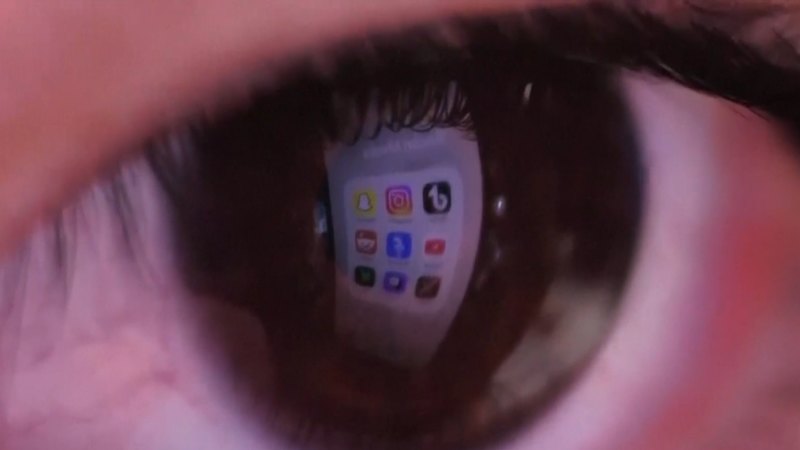
The plaintiff’s legal team, led by Mark Lanier, didn't fall into the trap of arguing about "bad content." Instead, they put the features themselves on trial. They successfully argued that "infinite scroll," "autoplay," and "push notifications" are not neutral tools but are specifically engineered to exploit the neurobiology of a developing brain.
The jury heard testimony describing these features as the digital equivalent of a slot machine. In a traditional casino, the "near-miss" and the flashing lights keep the player in the seat. In the digital world, the infinite scroll ensures there is never a natural "stopping cue." This design choice was framed as a deliberate act of negligence. The jury agreed, finding that the companies knew or should have known these designs were dangerous for minors yet failed to provide adequate warnings.
Dissecting the Defense
Meta and YouTube attempted to pivot the blame toward the individual. Meta’s legal strategy involved a deep dive into Kaley’s medical records and her "turbulent home life," suggesting that her mental health struggles existed in a vacuum, independent of the ten hours a day she spent on Instagram. YouTube’s defense was more semantic. Their lawyers argued that YouTube isn't even "social media"—it's a streaming service, more like television than TikTok.
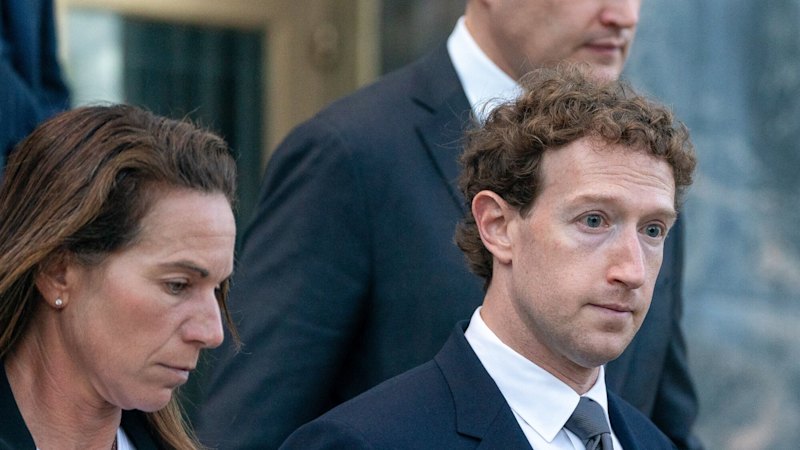
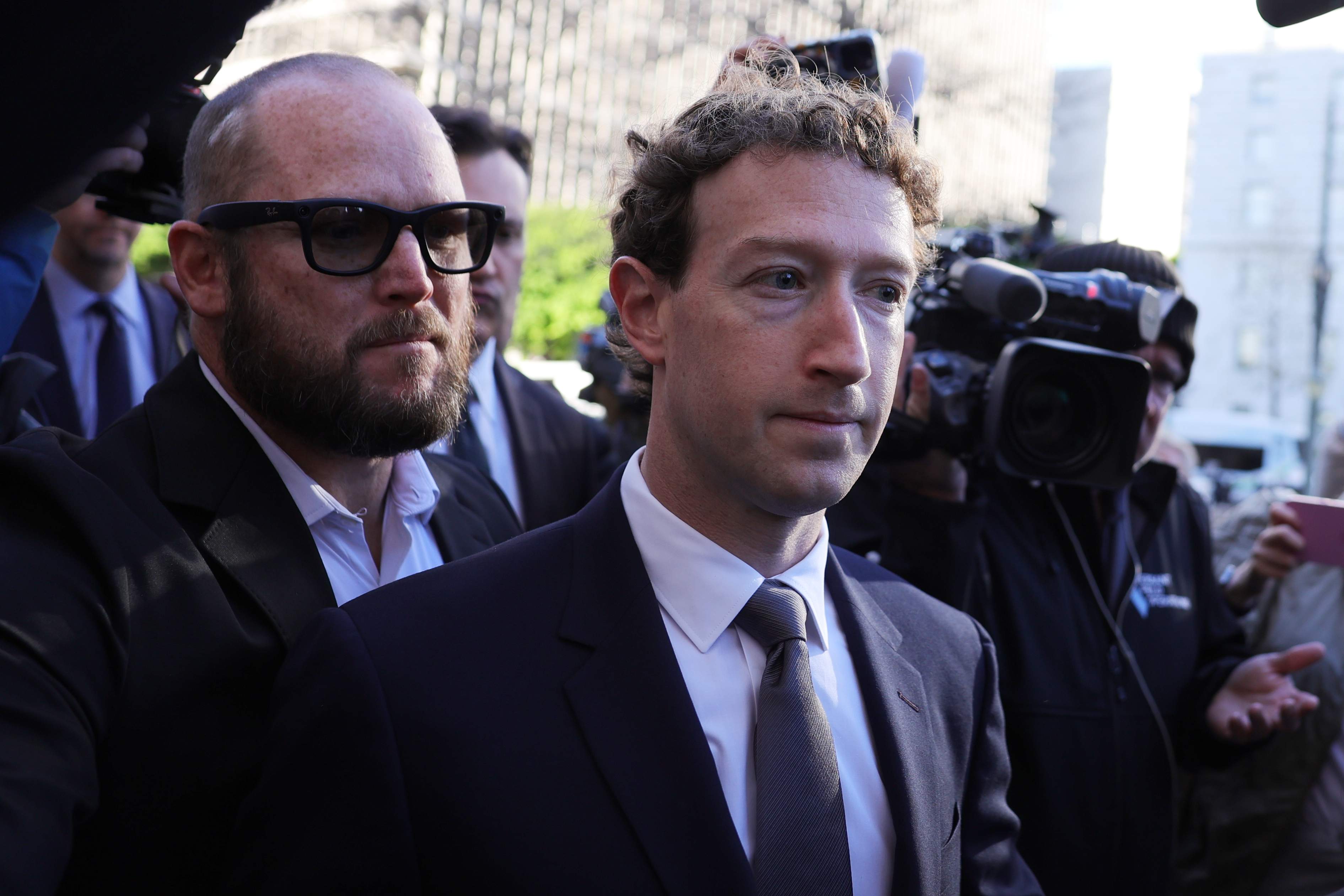
The jury wasn't buying it. A critical moment in the trial came when Meta CEO Mark Zuckerberg took the stand. Jurors later told reporters that his testimony, which seemed to shift and dodge under pressure, felt insincere. When asked about lifting a ban on beauty filters that internal research suggested were harmful to teen girls, Zuckerberg claimed he didn't want to "limit people’s expression." To the jury, this sounded less like a defense of free speech and more like a justification for a known hazard.
Why Section 230 Failed to Protect Them
For years, tech companies have hidden behind Section 230 of the Communications Decency Act, which says they aren't the "publisher" of third-party content. If a user posts something harmful, the platform isn't responsible.
This verdict bypasses that entirely. The "product liability" theory treats an app like a car or a toaster. If a car’s brakes fail, the manufacturer is liable. If an app’s algorithm is designed to bypass a child’s impulse control to maximize ad revenue, the "product" itself is defective. By focusing on the delivery mechanism rather than the message, the plaintiffs have found the first real hole in Big Tech’s legal defense.
The Bellwether Effect
This case was a "bellwether," a test run for more than 2,000 similar lawsuits waiting in the wings. It proves that a jury of ordinary citizens is willing to hold trillion-dollar companies accountable for the psychological impact of their engineering.
Just twenty-four hours prior to this verdict, a New Mexico jury hammered Meta with a $375 million penalty for violating consumer protection laws regarding child safety. The cumulative pressure is mounting. We are seeing a shift from "buyer beware" to "builder beware."
The industry is now facing its "Big Tobacco" moment. In the 1990s, cigarette manufacturers argued that smoking was a choice. Eventually, the evidence showed they had engineered the product to be more addictive while hiding the risks. Social media is now on that same trajectory. The "malice, oppression, or fraud" finding in this case suggests that the jury believes these companies didn't just make a mistake—they made a choice.
Would you like me to analyze the specific internal Meta documents that were unsealed during this trial to see how they conflict with the executive testimony?