The light in the hallway usually stays on until 11:00 PM. It is a silent agreement between parents and teenagers, a beacon that says the door is unlocked and the world hasn't swallowed you whole yet. But in a quiet terrace house this week, that light serves no purpose. The person it was meant to guide home is gone.
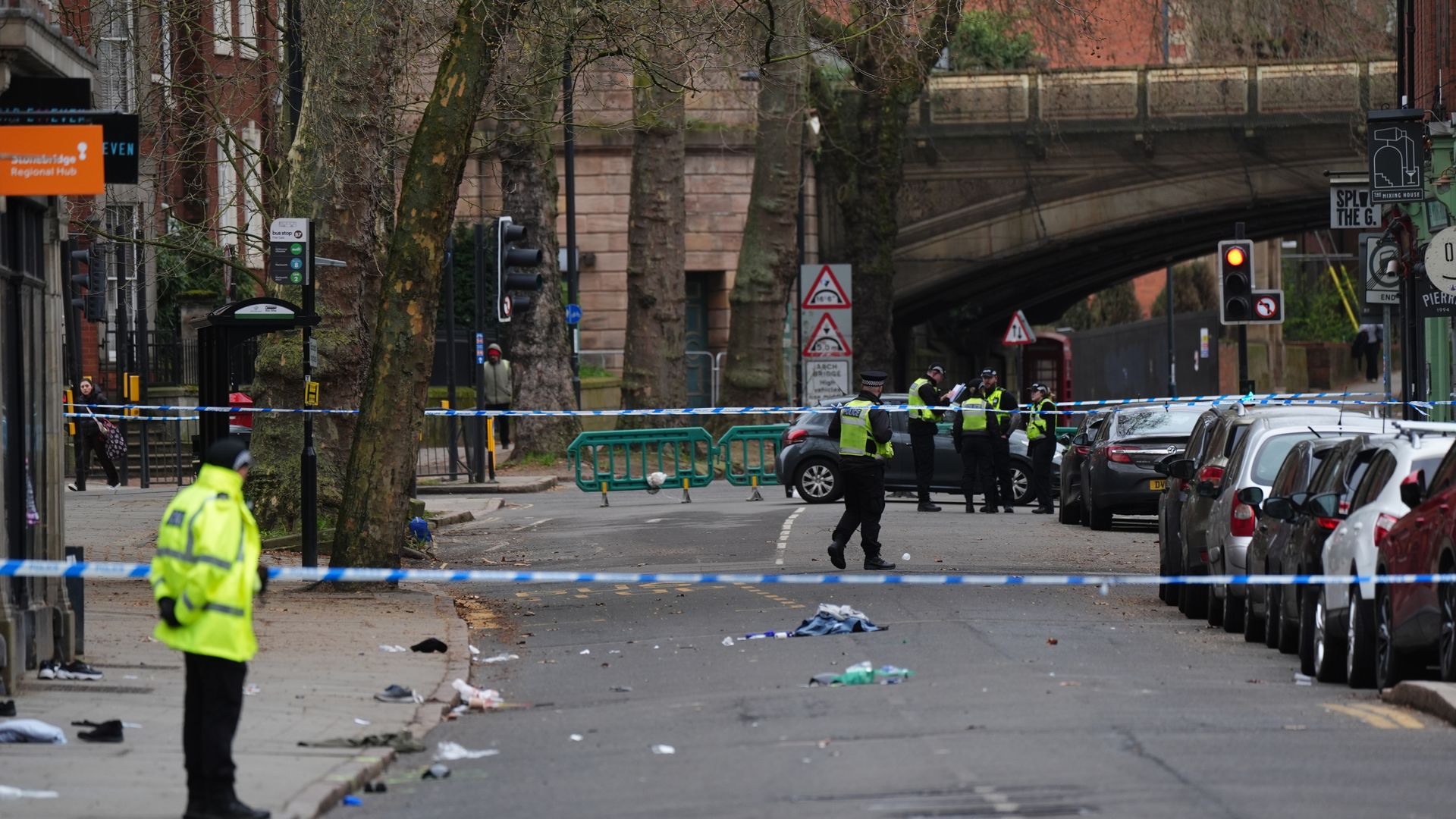
He was seventeen. In the clinical language of a police press release, he is a "victim." To the people who sat across from him at breakfast, he was the kid who always forgot his PE kit and had a laugh that could rattle the windows. Now, he is the center of a cordoned-off universe of yellow tape and forensic tents.
While the detectives work their grim geometry, measuring the distance between a life lived and a life stolen, the rest of us are left with the cold facts. Four people are currently sitting in metal chairs in a police station. They are being questioned on suspicion of murder. The legal machinery is grinding forward, turning a neighborhood tragedy into a case file. But the law cannot measure the weight of the silence now filling a teenage bedroom.
The Anatomy of a Neighborhood in Shock
Terror doesn't arrive with a scream. It arrives with the realization that the ordinary has become impossible. Yesterday, this street was a shortcut. Today, it is a crime scene. Residents stand behind the tape, clutching mugs of tea that have gone cold, watching officers perform the meticulous, slow-motion dance of evidence gathering.
The "innocence" mentioned in the tributes isn’t just a legal status. It is a description of a boy who hadn't yet decided who he was going to be. Seventeen is an age of transition. You are half-child, half-architect of your own future. To have that blueprint torn up is a violation that ripples far beyond the immediate family. It shakes the foundation of every parent in the zip code. They look at their own children and wonder if the world is as safe as the brightly lit kitchen suggests.
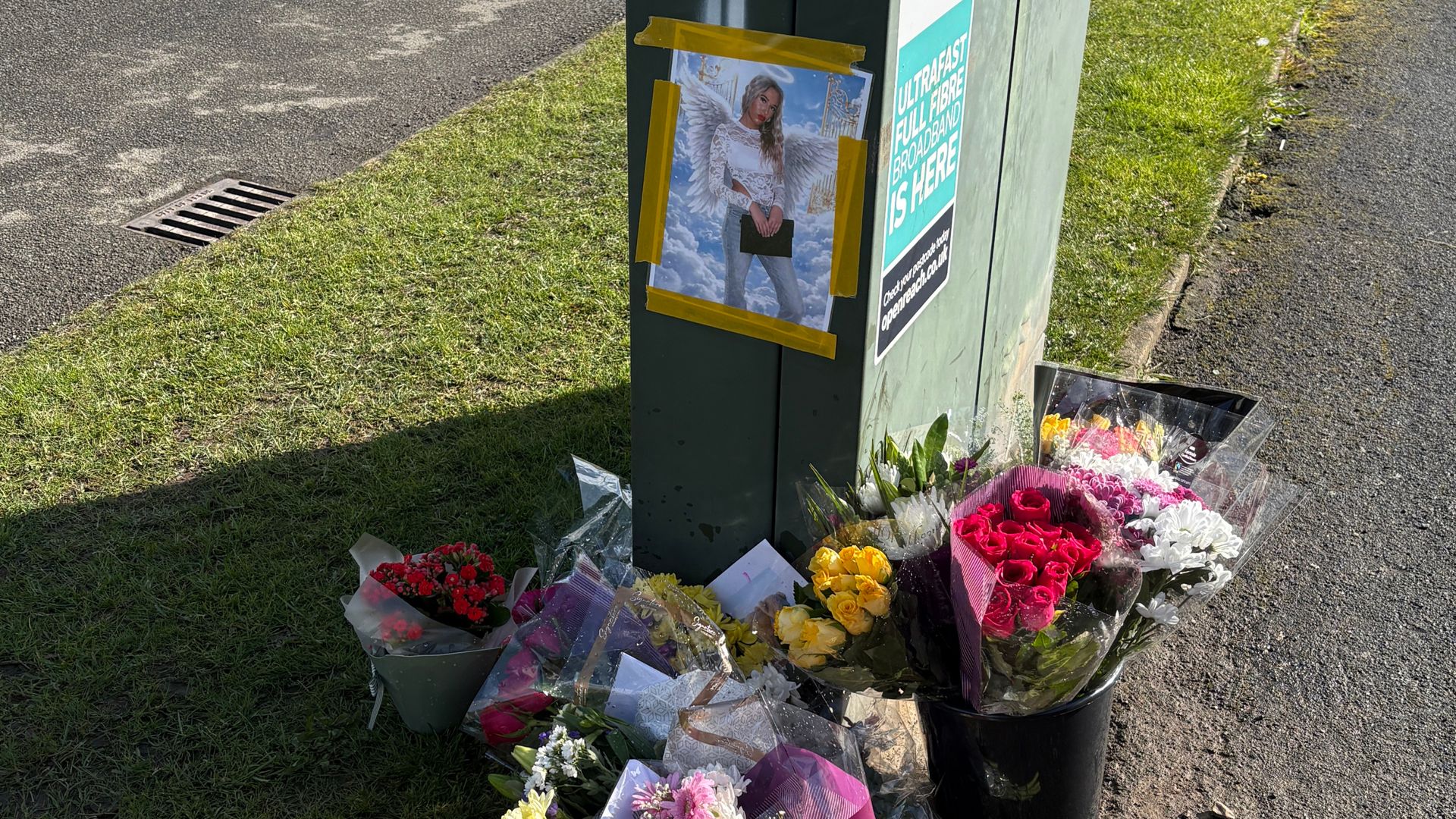
Evidence isn't just DNA and fingerprints. It is the discarded floral bouquets piling up against a brick wall. It is the handwritten notes from schoolmates who don't know how to use the past tense yet. They write "You are my best friend," because "You were" feels like a betrayal. These are the human statistics that don't make it into the official briefing.
Behind the Interrogation Door
While the community mourns, the investigation moves into the sterile, fluorescent reality of the custody suite. Four individuals are being held. In the eyes of the state, they are suspects. They represent the other side of this tragedy—the dark potential for a single moment of choice to destroy multiple lives at once.
The police have a clock ticking. The law allows them a set amount of time to hold a person without charge, a period where every word is recorded and every silence is scrutinized. The detectives aren't just looking for a weapon; they are looking for a motive. They are trying to piece together the "why" in a situation where "why" often feels insufficient.
Consider the atmosphere in those rooms. It is a stark contrast to the candlelit vigils happening outside. There is no poetry in an interrogation. There is only the repetition of questions and the slow peeling back of layers. Was it a chance encounter? Was it a long-simmering feud? Or was it the senseless, lightning-strike randomness that haunts our modern cities?
The Ripple Effect of Violence
Violence is a stone thrown into a still pond. The splash is the headline, but the ripples are what change the landscape.
The first ripple hits the schools. Teachers have to stand in front of classrooms and explain the inexplicable. They have to manage the collective grief of hundreds of teenagers who are experiencing their first real brush with mortality. The empty desk in the third row becomes a monument.
The second ripple hits the local shops and the parks. These are the places where life happens, where teenagers congregate to navigate the awkwardness of growing up. Now, these spaces feel haunted. A park bench is no longer just a place to sit; it is a place where something happened, or where someone who is now gone used to sit.
The third ripple is the most insidious: fear. It changes how people walk down their own streets. It makes neighbors look at each other with a flicker of suspicion. It turns a community inward. When we hear that four people are in custody, there is a momentary sense of justice, but it doesn't heal the breach of trust that occurs when a "quiet area" is stained by the unthinkable.
The Language of Loss
We often use the word "tribute" to describe the flowers and the social media posts. But the real tribute is the memory of the mundane.
It’s the way he used to kick a football against the garage door until the neighbors complained. It’s the specific way he liked his toast. It’s the unfinished homework on his desk and the half-read book on his nightstand. These are the things the suspects in custody can never account for. They didn't just stop a heart; they stopped a story in the middle of a sentence.
The legal process will eventually provide a resolution. There will be court dates, witness testimonies, and eventually, a verdict. The four people currently in custody will either walk free or face the consequences of the evidence. But for the family of the seventeen-year-old, there is no "winning" this case. There is only the long, slow process of learning to live around the hole he left behind.
Justice is a formal word for an informal need. We want the world to make sense again. We want to believe that if the "bad people" are caught, the "good people" are safe. But the reality is more fragile. Safety is a collective illusion we all agree to maintain, and when it is shattered, it takes more than an arrest to piece it back together.
The Long Night Ahead
Tonight, the forensic tents may come down. The yellow tape will be rolled up and tossed into the back of a van. The street will be handed back to the residents. But it will not be the same street it was a week ago.
The stains of a tragedy aren't always visible to the eye. They are etched into the memories of the people who saw the blue lights reflecting off their bedroom walls. They are carried in the heavy hearts of the friends who have to walk past the spot every day on their way to a future their friend will never see.
We talk about "moving on" as if it’s a physical destination. It isn't. It’s a slow, grueling climb. The investigation will provide answers, but it won't provide peace. Peace comes much later, in the small moments when the memory of the boy's life finally becomes louder than the manner of his death.
In the police station, the clocks continue to tick. The suspects remain in their cells. The detectives continue to shuffle through photographs of a life cut short. And in a home nearby, a mother sits in a kitchen that is far too quiet, looking at a chair that will never be filled again, waiting for a son who is never coming home.
The hallway light is finally turned off. The darkness that follows is heavy, absolute, and profoundly unfair.