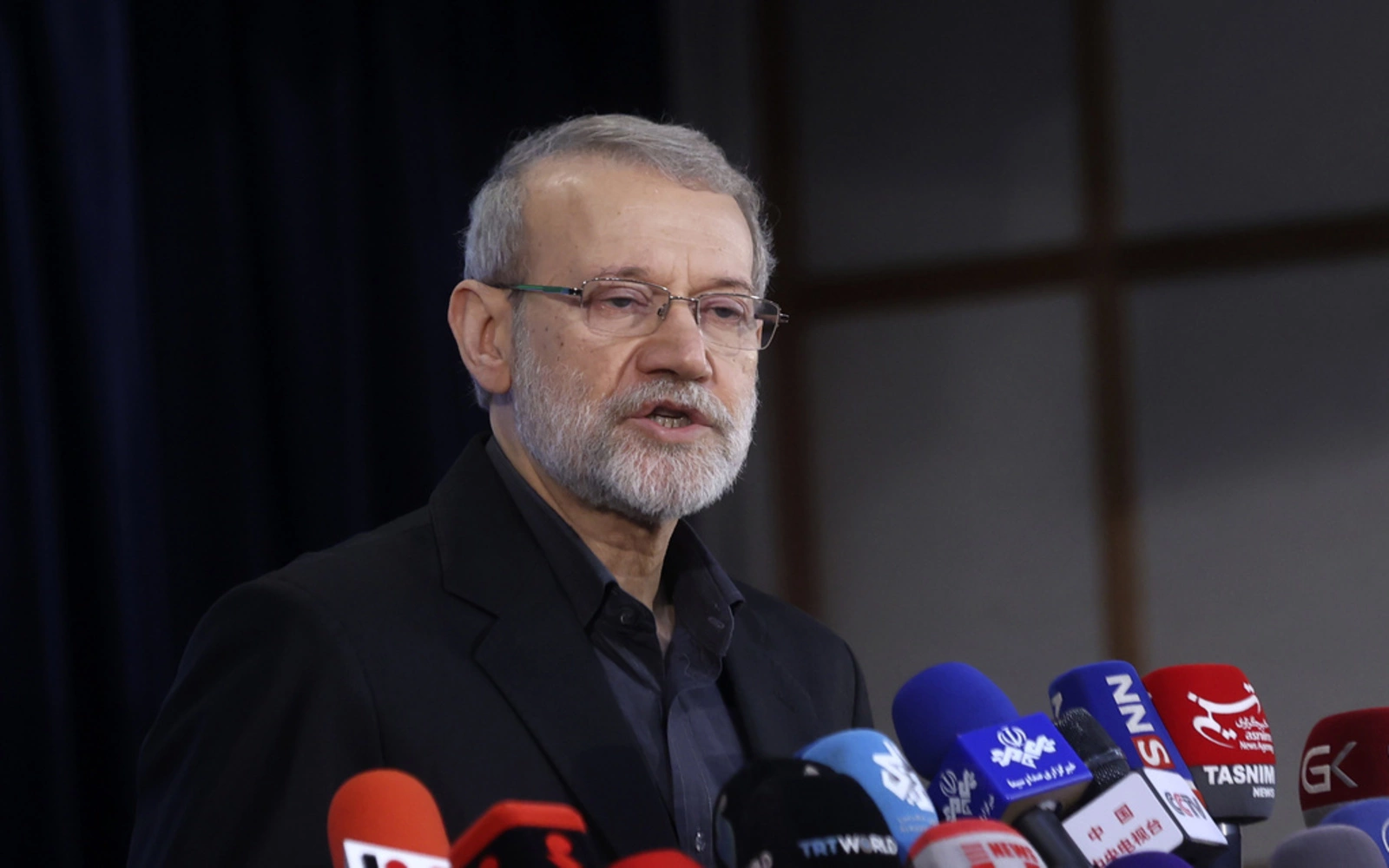
Israel just turned the lights out on two more of Tehran’s biggest power players. Overnight, the Israeli Defence Forces (IDF) confirmed they successfully targeted and killed Ali Larijani, the secretary of the Supreme National Security Council, and Gholamreza Soleimani, the commander of the IRGC’s Basij paramilitary force. If you’ve been following the chaos since the war erupted on February 28, you know the Iranian leadership is already on life support. This latest move doesn't just trim the hedges—it rips out the roots.
Larijani wasn't just another bureaucrat in a turban. Since the assassination of Ayatollah Ali Khamenei a few weeks ago, he’s been the "de facto leader" of the country. While Mojtaba Khamenei technically took his father’s throne, he’s been a ghost. Rumors say he’s badly wounded; Larijani was the one actually holding the phone and moving the pieces. Now, that phone is dead. Read more on a similar subject: this related article.
The end of the Larijani era
Ali Larijani came from one of the most untouchable political dynasties in Iran. He was a veteran of the system who knew where all the bodies were buried. He served as the Parliament speaker for over a decade and was the primary architect of Iran’s nuclear diplomacy. When the IDF wiped out nearly 40 top officials in that massive February strike, Larijani was the guy who stepped into the vacuum to run the day-to-day security affairs.
The IDF says they caught him in a "precise strike" near Tehran. Apparently, he was hiding out in one of several apartments he used as safe houses. It didn't work. By taking him out, Israel has removed the only person with enough institutional memory and political gravity to keep the regime’s splintering factions from eating each other alive. Additional journalism by NPR highlights comparable views on the subject.
Crushing the fist of the regime
Then there’s Gholamreza Soleimani. Don’t confuse him with the more famous Qassem Soleimani killed years ago—though Gholamreza was just as brutal in his own backyard. As the head of the Basij, he commanded a volunteer militia of millions used specifically to crack down on Iranian citizens.
- The Repression Machine: Under his six-year watch, the Basij used extreme violence, mass arrests, and lethal force to shut down any hint of internal protest.
- The Strike: The IDF didn't hit him in a fortified bunker. They found him and his deputy, Seyyed Karishi, in a "makeshift tent area."
- The Strategy: They were likely moving around constantly to avoid being tracked, but the IDF intelligence caught them in the open.
Killing the head of the Basij is a direct message to the Iranian people: the "repressive apparatus" is failing. Prime Minister Benjamin Netanyahu basically said as much today, claiming these strikes are designed to give Iranians a chance to "take their destiny into their own hands." It’s a bold gamble that internal collapse will happen before a regional nuclear exchange does.
A regime of ghosts
Who’s left? That’s the real question. Most of the original A-team was wiped out in June 2025 and February 2026. The people running things now are mostly B-list officials or newer deputies like Ahmad Vahidi, who was recently named the new IRGC leader. But even Vahidi was a relatively minor player compared to the heavyweights who are now gone.
The IDF is currently striking around 150 to 200 targets a day inside Iran. They’ve already conducted over 7,600 strikes since this phase of the war began. They aren't just hitting missile silos; they are methodically deleting the people who know how to push the buttons.
Honestly, it’s hard to see how the Islamic Republic maintains a cohesive military strategy when their top coordinators are being picked off in tents and hideouts. Larijani was the bridge between the old guard and the new, desperate reality. Without him, the regime is just a collection of confused survivors with no central nervous system.
If you’re tracking the geopolitical fallout, watch the Strait of Hormuz. Iran has been trying to choke off shipping to spike oil prices and force a ceasefire. But with the leadership being dismantled piece by piece, their ability to coordinate those naval blockades is going to get a lot messier.
Keep an eye on the official Iranian state media over the next 48 hours. They haven't officially confirmed Larijani’s death yet, though his social media accounts posted a cryptic, pre-written tribute to fallen sailors earlier today. When the silence finally breaks, expect a frantic attempt to project strength that the regime simply doesn't have anymore.