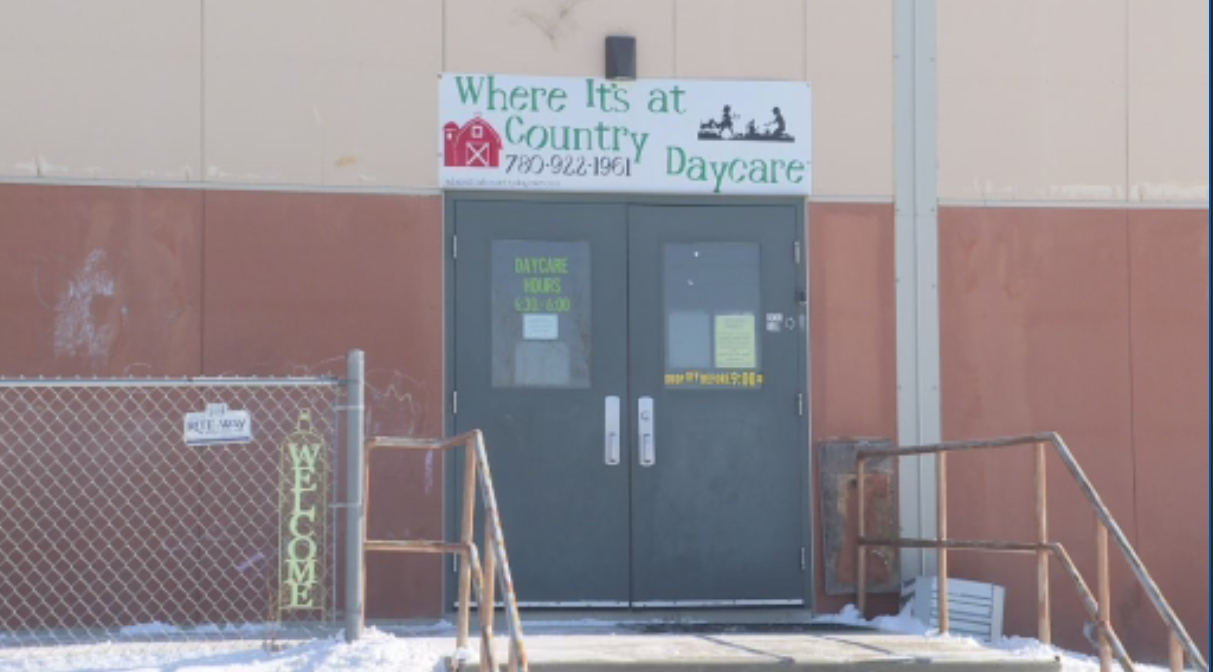
Edmonton is officially moving to penalize owners of crumbling, vacant commercial properties by hiking their municipal tax rates. The policy shift, approved by City Council, aims to force landlords to either fix up their eyesores or sell them to someone who will. By creating a new tax subclass for "derelict" non-residential properties, the city intends to make the cost of neglect higher than the cost of renovation. However, while the optics of "taxing the blight" play well with frustrated neighborhood associations, the economic reality suggests this measure may simply accelerate the decay it seeks to stop.
The math is straightforward. Under the new plan, properties designated as derelict will face a tax rate significantly higher than standard commercial buildings. For a city grappling with a visible increase in boarded-up storefronts and "ghost" shopping strips in its core, this is a desperate attempt to stimulate urban renewal without spending a dime of public money on direct incentives. It is a stick, not a carrot.
The Mechanics of Municipal Muscle
At the heart of this strategy is the creation of a specific tax subclass. Traditionally, property taxes are assessed based on the market value of the land and the structure sitting on it. When a building falls into disrepair, its value drops, and consequently, the owner’s tax bill shrinks. This creates a perverse incentive: the more you let a building rot, the less you pay the city.
Edmonton’s new policy flips that script. By identifying properties that meet a strict definition of "derelict"—usually involving long-term vacancy, boarded windows, and repeated safety code violations—the city can now apply a premium rate. The goal is to close the gap between the cost of holding a dead asset and the cost of developing a productive one.
But defining "derelict" is a legal minefield. City inspectors now have the unenviable task of playing judge and jury on the aesthetic and structural integrity of private property. If the criteria are too loose, the city faces a wave of litigation from property owners. If they are too strict, the policy catches only the most extreme cases, leaving the "merely ugly" buildings to continue dragging down local property values.
Why Landlords Hold on to Rotting Assets
To understand why this tax hike might fail, one must understand why these properties exist in the first place. Most people assume derelict building owners are "slumlords" or "land speculators" waiting for a massive payday. Some are. But many are simply trapped in a cycle of high interest rates and falling commercial demand.
The commercial real estate market in mid-sized Canadian cities is currently brutal. With the rise of remote work and the collapse of brick-and-mortar retail, many of these "derelict" properties have no viable tenants. A landlord facing a 25% vacancy rate in the surrounding area has little reason to spend $2 million on a seismic upgrade or a facade facelift if they cannot find a tenant willing to pay the resulting higher rent.
In these cases, a tax hike does not encourage renovation. It encourages abandonment. If the tax bill exceeds the potential rental income, the owner may simply stop paying taxes altogether, forcing the city into a years-long tax recovery process that ends with the municipality owning a building that no one else wanted.
The Suburban Flight Problem
Edmonton’s central neighborhoods bear the brunt of this issue. As businesses flee to the suburbs where parking is plentiful and taxes are more predictable, the city core becomes a collection of vacant lots and boarded windows. The city’s logic is that by taxing the blight, they make the suburbs less attractive by comparison.
This ignores the competition. A business owner looking to open a new shop isn't just choosing between a derelict building in McCauley and a renovated building in McCauley. They are choosing between McCauley and a new development in Sherwood Park or St. Albert. If Edmonton increases the tax burden on its commercial sector—even under the guise of "fixing" derelict sites—it risks signaling to the broader investment community that the city is a high-tax, high-regulation environment.
The Cost of Enforcement vs. The Revenue Gain
Critics of the policy point out that the administrative overhead of such a scheme is massive. You need a dedicated team of inspectors. You need a legal department ready to defend the "derelict" designation in court. You need a system to track whether a property has been "fixed enough" to move back into the lower tax bracket.
When you subtract those costs from the projected tax revenue, the net gain to the city's coffers is often negligible. This isn't a revenue-generating machine; it's social engineering through the tax code.
A Different Path to Renewal
If the city truly wants to see these properties transformed, it needs to address the barriers to development that exist alongside the tax code. In many cases, the reason a building sits empty isn't the owner’s laziness—it's the city's own zoning and permitting process.
Permit delays can kill a renovation project before it even starts. If a developer wants to turn a derelict warehouse into a multi-use residential and commercial space, they often face months, if not years, of rezoning applications and community consultations. During that time, they are paying interest on loans and now, under this new policy, they would be paying a "penalty" tax for the privilege of waiting on the city.
A more effective, albeit more difficult, approach would be to pair tax penalties with "fast-track" permitting for any owner who submits a credible plan for redevelopment. If you show the city a signed contract with a construction firm and a blueprint for a new storefront, the derelict tax should be waived immediately. Without this "out," the policy is purely punitive.
The Gentrification Ghost
There is also the uncomfortable conversation regarding what happens if the policy actually works. If every derelict building in a low-income neighborhood is suddenly forced into a high-end renovation, the resulting rents will inevitably drive out the local, independent businesses that currently serve the community.
We have seen this in other North American cities. Tax-driven "beautification" often leads to a sanitized urban environment where only national franchises can afford the lease. The "blight" is gone, but the soul of the neighborhood often goes with it. The city must decide if it wants a core filled with local character—which often looks a little rough around the edges—or a pristine row of empty glass boxes that no one can afford to occupy.
The Hard Truth of Property Values
The market is an efficient, if cruel, judge of value. A building is derelict because, in its current state and location, it is worth less than the cost to fix it. No amount of tax maneuvering changes that fundamental equation.
For the city of Edmonton, the real test will not be how many tax notices they send out, but how many building permits they actually issue as a result. If the number of derelict properties remains static while tax arrears grow, the city will have effectively taxed its way into a deeper hole.
Property owners who are currently sitting on these assets need to be looking at their spreadsheets with a cold eye. If the city follows through on these hikes, the "hold and wait" strategy is officially dead. The only remaining options are to build, sell at a loss, or prepare for a protracted legal battle with City Hall. For the neighbors who have spent years looking at plywood-covered windows, any change is welcome. For the city’s economic future, however, this gamble carries a high risk of backfiring.
Landlords should begin documenting every attempt at maintenance or tenant recruitment now to prepare for the inevitable "derelict" assessment challenges.