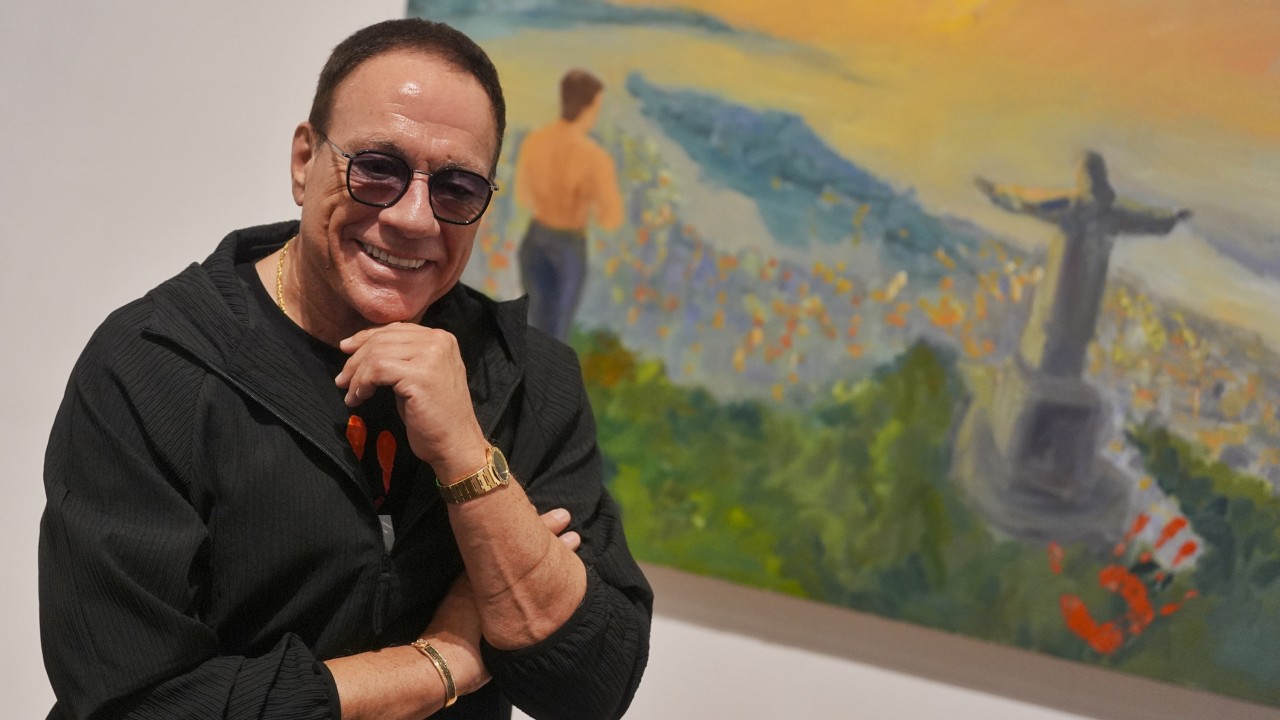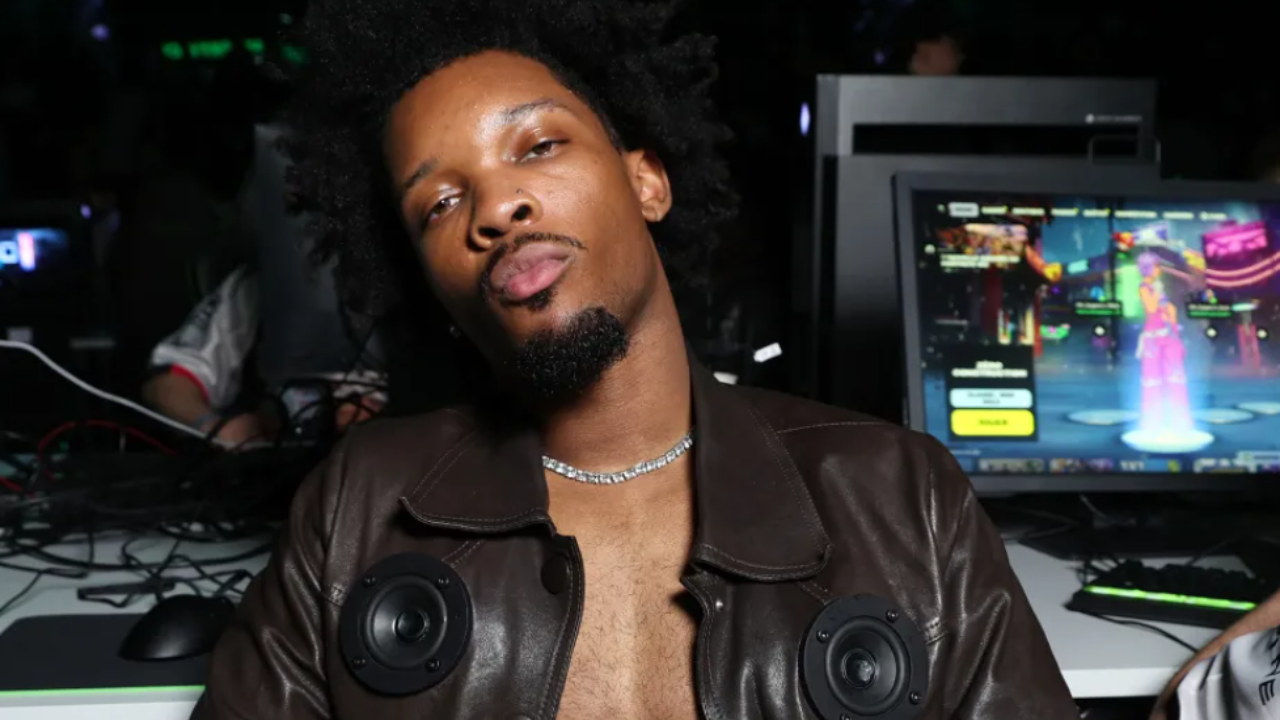
The announcement of Tina Fey, Riz Ahmed, and Jamie Dornan as the initial hosts for the inaugural season of Saturday Night Live UK represents a calculated risk-mitigation strategy rather than a simple creative choice. By analyzing the selection through the lens of audience acquisition costs and cultural translation hurdles, it becomes clear that Sky and NBCUniversal are prioritizing structural stability over raw comedic experimentation. This project attempts to solve the "Transatlantic Comedy Deficit," where British sketch humor (often character-driven and surreal) frequently clashes with the high-velocity, topical, and personality-led format of the American SNL institution.
The Tri-Segmented Hosting Matrix
The selection of these three specific hosts functions as a diversified portfolio designed to capture distinct market segments while insulating the brand against the inherent volatility of a live debut. The strategy relies on three pillars of demographic reach:
- The Institutional Anchor (Tina Fey): Fey represents the "Format Transfer Guardrail." As a former head writer and performer on the original series, her presence serves as a signal of authenticity to the core fanbase. Her involvement reduces the "perceived risk" of a localized adaptation, functioning as a seal of quality that ensures the pacing and structural beats of the UK version mirror the proven American blueprint.
- The High-Utility Character Actor (Riz Ahmed): Ahmed provides the bridge between prestige drama and comedic versatility. His inclusion targets a younger, more diverse, and "critic-aligned" audience. From a strategic standpoint, Ahmed’s background in both independent film and rap provides the "Cultural Relevance" variable necessary for the show to feel contemporary rather than a derivative relic of the 1970s.
- The Mass-Market Conversion Driver (Jamie Dornan): Dornan functions as the primary vehicle for broad linear television viewership. His massive recognition through commercial franchises ensures high "Initial Click-Through" from audiences who might not typically engage with niche sketch comedy. This is a classic "Top-of-Funnel" acquisition tactic.
The Architecture of Localization
Adapting Saturday Night Live to a UK context requires solving a specific engineering problem: the compression of the British news cycle into a live, 90-minute variety format. The British media landscape is more fragmented and cynical than the American one, creating a higher barrier to "unifying" topical humor.
The Production Latency Constraint
A significant risk factor in live topical comedy is the latency between a news event and the broadcast. In the US, SNL benefits from a centralized political discourse focused on Washington D.-C. The UK version must navigate a more localized and rapidly shifting political landscape across four nations. This creates a "Relevance Decay" problem. To counter this, the production must employ a "Modular Writing System," where evergreen character pieces are stockpiled to protect the episode's floor, while high-risk political "Cold Opens" are iterated upon until minutes before airtime.
The Talent Pipeline Bottleneck
The success of SNL UK depends entirely on its ability to build a "Sustainable Talent Flywheel." Unlike the US, which has a well-defined pipeline through improv theaters like The Second City and Groundlings, the UK comedy scene is historically built on stand-up circuits and university revues (like the Footlights). These paths do not inherently train the "Ensemble Utility" skills required for a live sketch show.
The "Cost of Development" for a new UK cast is significantly higher because the production must provide the structural training that the US market provides for free. By utilizing established stars like Fey and Ahmed, the show buys time for the "Unknown" cast members to build their own brand equity. This is a "Loss-Leader" strategy where the hosts provide the value while the infrastructure develops the future assets (the cast).
Comparative Structural Analysis: US vs UK
The structural differences between the two markets dictate the pacing of the show. US television operates on a rigorous commercial clock, leading to the "Sketch-Ad-Sketch" cadence that defines SNL's rhythm.
- Monetization Dynamics: In the UK, specifically on a platform like Sky, the commercial requirements are different. This allows for longer-form sketches, but it introduces the "Energy Attrition" risk. Without the frequent "re-sets" provided by American commercial breaks, a weak sketch can derail the momentum of an entire half-hour block.
- The Satire Threshold: British audiences have a higher tolerance for—and expectation of—biting satire (e.g., Spitting Image, The Thick of It). The SNL format, which often leans into "Celebrity Impressionism" and "Lighthearted Absurdism," may face a "Sophistication Gap." If the UK version fails to match the perceived intellectual weight of British political comedy, it risks being labeled as "Americanized Lite."
Revenue Streams and Global Syndication
The choice of hosts with international footprints (Ahmed and Dornan in particular) suggests that the UK version is being built for global digital syndication. The "Viral Clip Economy" is the primary driver of modern SNL revenue.
- YouTube/TikTok Optimization: Sketches are increasingly written with "Clippability" in mind. This means clear emotional beats, high-concept visual gags, and recognizable celebrity parodies that can be consumed in 60-second increments.
- Data-Driven Guest Selection: Future host selections will likely be dictated by "Sentiment Analysis" and "Search Volume" data rather than purely artistic merit. The show functions as a marketing engine for the host’s upcoming projects, creating a symbiotic "Promotional Loop" between the network and the film studios.
The Operational Risk of Live Broadcast
The "Live" element is the show’s unique selling proposition (USP), but it is also its greatest operational liability. In a UK regulatory environment (Ofcom), the risks of live broadcast are compounded compared to the US FCC regulations.
- The Compliance Burden: Live satire involving public figures requires a robust, real-time legal vetting process. Any lapse in "Due Impartiality" or "Defamation Defense" could lead to significant fines or license reviews.
- Technical Failure Points: A live 90-minute broadcast involves hundreds of discrete failure points, from pyrotechnics to audio mixing for musical guests. The UK production must achieve "Operational Parity" with the New York veteran crew immediately to maintain the brand’s prestige.
Strategic Recommendation
To ensure long-term viability, Saturday Night Live UK must move beyond its "Celebrity Anchor" phase within two seasons. The reliance on established names like Fey is a temporary stabilizing force, but the show’s "Enterprise Value" lies in its ability to mint new stars.
The production should immediately implement a "Regional Scouting Matrix" to pull talent from outside the London-centric comedy bubble, ensuring the show reflects the broader UK demographic. Furthermore, the writing room must prioritize "Systemic Satire"—targeting institutions and cultural trends—over "Individual Parody," which has a shorter shelf life and lower intellectual ROI. Success will be measured not by the ratings of the Fey-hosted premiere, but by whether a cast member from that premiere can headline a major film three years later. The goal is the creation of a self-sustaining talent ecosystem, not a weekly variety show.