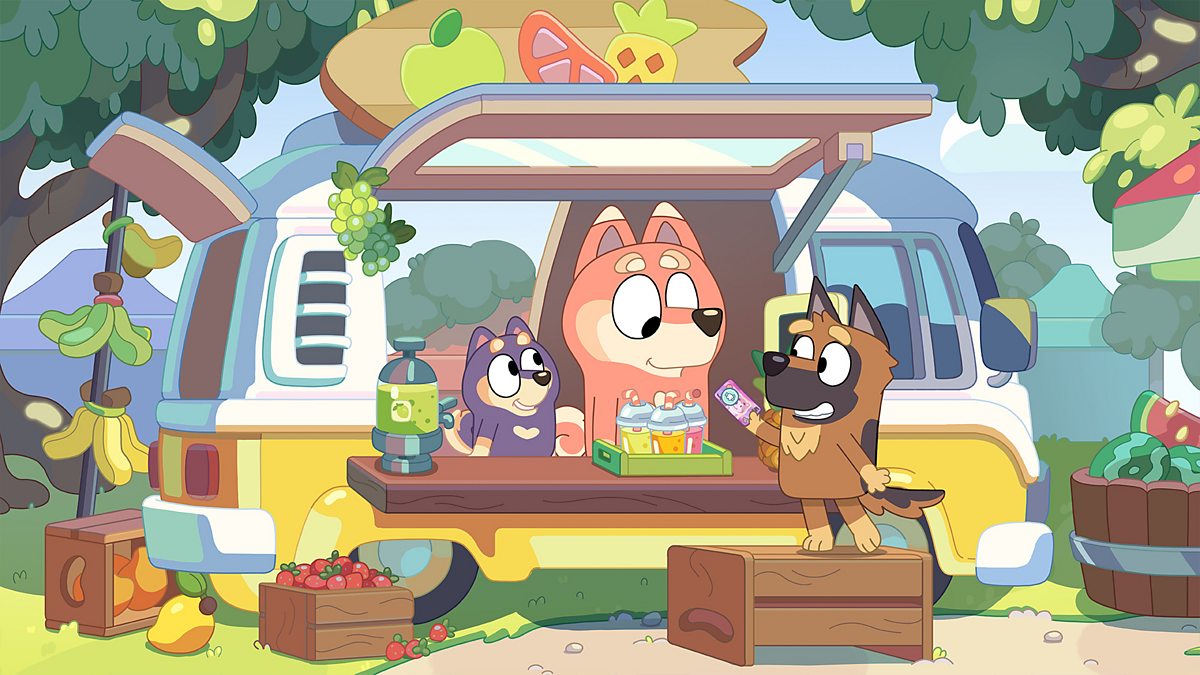
Disney’s decision to integrate the Bluey intellectual property (IP) into the Disneyland Resort ecosystem through a live stage event, paired with a $50 children’s ticket promotion, represents a calculated response to the "shoulder season" demand trough. While casual observers view this as a simple character addition, the move is a precise application of demand-side price discrimination and ecosystem-based audience acquisition. By leveraging a non-native IP (BBC/Ludo Studio) to bridge a content gap, Disney is attempting to stabilize attendance during the historically volatile spring period while lowering the barrier to entry for the high-lifetime-value (LTV) "first-visit" demographic.
The Strategic Logic of External IP Integration
Disney rarely grants physical footprint to characters outside its wholly-owned portfolio. The inclusion of Bluey at Disneyland—specifically a stage-based activation rather than a permanent attraction—serves three distinct operational functions:
- Velocity of Implementation: Developing a permanent ride based on internal IP (e.g., Frozen or Mickey & Minnie’s Runaway Railway) requires a multi-year capital expenditure cycle. A stage show, Bluey’s Big Play, provides immediate "newness" to the park’s marketing collateral without the structural permanence or the multi-hundred-million-dollar risk associated with a new E-ticket attraction.
- Demographic Specificity: Bluey currently commands a dominant share of the preschool and early-elementary viewing market. By hosting this event, Disney captures the attention of parents who may have been indifferent to the current Disney Junior slate but are willing to convert into park guests to satisfy Bluey-specific demand.
- Low-Friction Testing: This activation serves as a "pilot program" to measure the conversion rate of Bluey fans into Disney Resort spenders. If the stage show correlates with a significant spike in Genie+ sales or character-themed merchandise among the target age group, it provides the data necessary to negotiate deeper licensing agreements or permanent land integration.
The $50 Ticket as a Customer Acquisition Cost (CAC) Play
The "Kids’ Special Ticket Offer"—allowing children ages 3 to 9 to enter for as low as $50—is not an act of corporate generosity. It is a sophisticated loss-leader strategy designed to maximize the "Adult-to-Child" ratio and subsequent ancillary revenue.
The Dependency Ratio and Upsell Mechanics
A $50 child’s ticket is rarely purchased in isolation. Because children under 10 cannot visit Disneyland alone, every discounted child ticket mandates the purchase of at least one adult ticket, which typically retails at a significantly higher price point. This creates a bundled entry price that appears lower to the consumer but maintains a healthy average revenue per user (ARPU) for the park.
The real profit does not reside in the gate admission, but in the downstream consumption patterns:
- Food and Beverage (F&B): Families with young children have a high frequency of "snack-based" spending.
- Merchandise: The presence of Bluey creates a localized demand for plush, apparel, and toys that are often exclusive to the event location.
- Premium Services: Parents visiting with young children during a special event are statistically more likely to purchase Genie+ or Lightning Lane passes to mitigate the friction of long lines, which can be catastrophic for the temperament of the target age demographic.
Yield Management and Capacity Constraints
Disneyland operates on a reservation system that allows for granular control over daily capacity. By offering the $50 deal for specific dates (typically Monday through Thursday during non-holiday weeks), Disney effectively "backfills" the park during periods when local Annual Passholders and international tourists are less active. This ensures that fixed costs—labor for ride operators, maintenance, and electricity—are spread over a larger volume of guests, optimizing the operating margin per square foot.
Deconstructing the Stage Event: Operational Efficiency
The choice of a live stage event over a meet-and-greet or a parade is a tactical decision based on Guest Flow Management.
Throughput vs. Engagement
A traditional character meet-and-greet has a low throughput; a single character can only interact with a limited number of families per hour, leading to long, static lines that frustrate guests and keep them from spending money elsewhere.
In contrast, a stage show:
- Aggregates Demand: It pulls 500 to 2,000 guests out of the general walkways and into a contained theater for 20 to 30 minutes.
- Reduces Pressure on Rides: While a segment of the population is watching Bluey, the wait times for Fantasyland attractions decrease slightly, improving the "Net Promoter Score" for guests who are not interested in the show.
- Scheduled Dispersion: By holding multiple showtimes throughout the day, Disney can pulse the crowd, ensuring that thousands of guests are recycled back into the dining and retail areas at predictable intervals.
The Psychological Value of "Limited Time"
The temporary nature of the Bluey event creates a Scarcity Heuristic. Unlike Space Mountain, which is perceived as a permanent fixture, a limited-time engagement compels immediate action. This urgency bypasses the typical six-month planning cycle for a family vacation, triggering "impulse" trips from the local Southern California and Northern California drive-markets.
Identifying the Bottlenecks and Risks
While the strategy is robust, its success depends on managing several critical variables:
- The "Bluey" Licensing Limit: Disney does not own Bluey. Every dollar spent on the production and every piece of merchandise sold involves a royalty payout to the BBC and Ludo Studio. If the cost of the license exceeds the incremental increase in F&B and adult ticket sales, the activation becomes a margin-dilutive exercise.
- Capacity Cannibalization: If the $50 ticket offer is too successful, it may displace "Full-Price" guests who would have visited anyway. Disney manages this through the reservation calendar, blacking out dates where organic demand is already projected to reach 90% of capacity.
- Expectation Mismatch: Because Bluey is a global phenomenon, the expectation for the experience is high. If the stage show is perceived as a "low-budget" puppet performance rather than a high-fidelity Disney production, it risks damaging the brand equity of the Disneyland Resort.
The Strategic Play for the Consumer
To extract the maximum value from this specific market alignment, the consumer's approach must be as analytical as the park’s.
The $50 ticket represents the Price Floor for Disneyland entry. To optimize this, the visit must be scheduled on a "Tier 1" or "Tier 2" day (typically mid-week) to ensure that the lower ticket cost isn't offset by the "Time Cost" of high crowd density.
The most effective utilization of this event is to treat the Bluey activation as the primary anchor, utilizing the early morning hours for high-demand attractions in Fantasyland before the heat and crowd peak during the mid-day show times. For the resort, the goal is to convert the $50 child guest into a lifelong Disney loyalist. For the guest, the goal is to exploit the discount while avoiding the ancillary spending traps that the resort has meticulously laid.
The integration of Bluey is not just a show; it is a tactical deployment of a "third-party asset" to fortify the bottom line during a period of potential stagnation. Watch for Disney to replicate this model with other "borrowed" IPs if the conversion data from this spring proves that the Bluey audience is as monetizable as the core Mickey Mouse faithful.
To capitalize on this window, the tactical recommendation is to secure reservations for Tuesday or Wednesday dates in the second month of the promotion. This allows for the initial "opening week" surge to dissipate while ensuring the $50 price point is utilized before the seasonal price hike that traditionally precedes the summer volume increase.