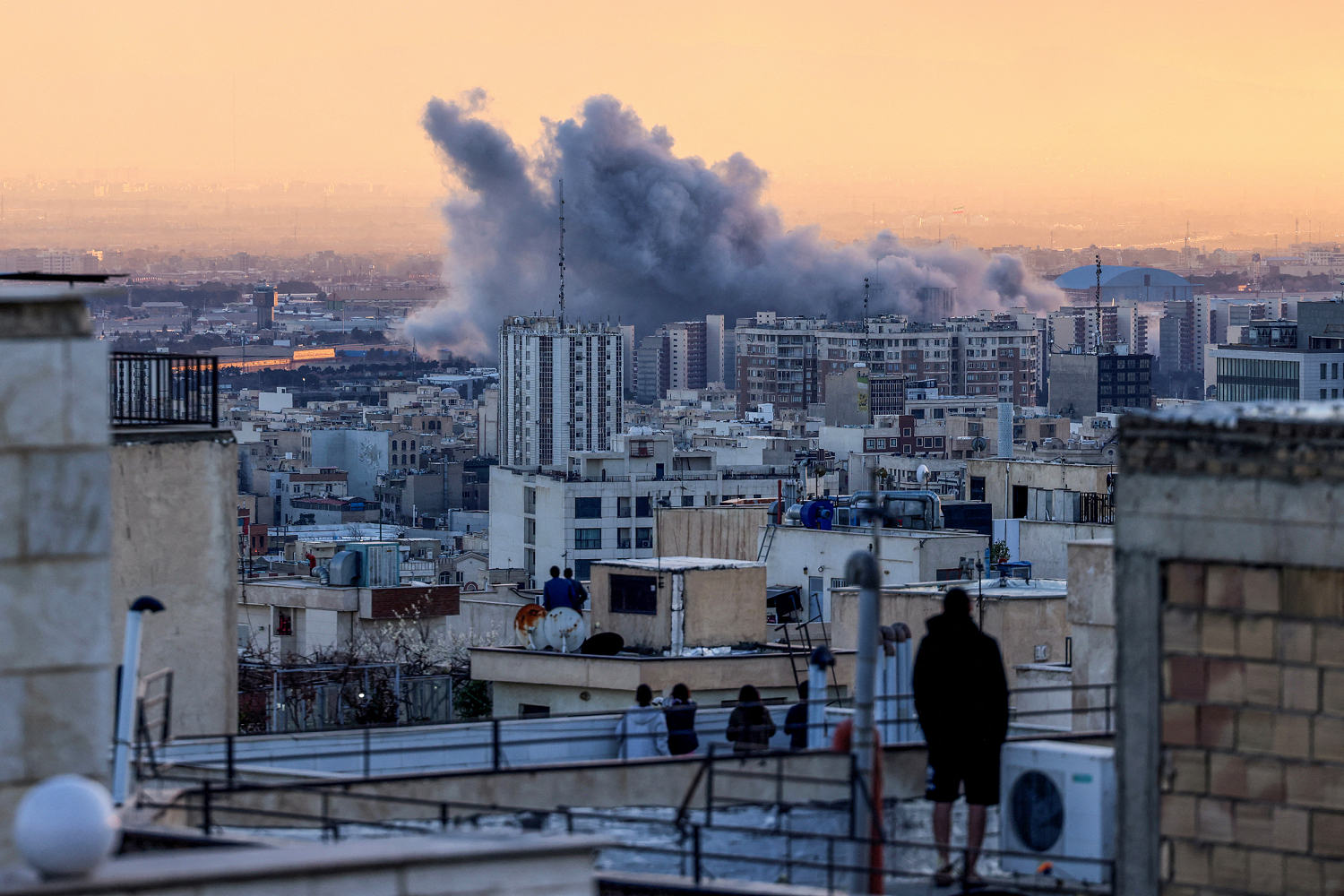
The morning in Isfahan usually tastes of toasted flatbread and the sharp, cooling scent of the Zayanderud River. But on a Tuesday that should have been defined by algebra exams and whispered jokes in the hallway, the air turned into a solid wall of gray. When a missile finds a target, the sound isn't a cinematic boom. It is a soul-shaking crack that makes the ground feel like liquid.
At the girls’ secondary school on the city’s edge, the chalkboard dust didn't settle. It was joined by the pulverized concrete of a sanctuary.
Thousands of miles away, in the windowless, climate-controlled rings of the Pentagon, the air is different. It smells of industrial carpet and recycled oxygen. Here, Defense Secretary Pete Hegseth sits behind a desk polished to a mirror shine, staring at satellite imagery that renders human tragedy into a series of heat signatures and geometric anomalies.
The distance between a frantic father digging through rubble with bare fingernails and a general pointing a laser at a screen is the defining chasm of modern warfare.
The Anatomy of a Mistake
War has always been messy, but we were promised a version that was clean. We were told that sensors, artificial intelligence, and "surgical" precision had moved us past the era of carpet bombing and collateral ruin. Yet, here is the U.S. government, standing at a podium, admitting that something went horribly wrong.
The official line is a study in clinical detachment. Hegseth confirmed that the United States is "investigating" the strike. He spoke of "potential unintended consequences."
Imagine, for a moment, a hypothetical student named Samira. She isn't a statistic. She is a girl who stayed up late the night before memorizing the chemical properties of magnesium. She has a backpack with a broken zipper and a favorite pen that leaks just a little bit of blue ink on her thumb. To a drone operator sitting in a trailer in Nevada or a command center in the Gulf, Samira doesn't exist. There is only "Target X" or "Secondary Structure Y."
When the investigation begins, the military lawyers and intelligence analysts don't look for Samira’s pen. They look at the "kill chain." They ask:
- Was the intelligence "actionable"?
- Did the sensor malfunction?
- Was the school misidentified as a barracks for the Iranian Revolutionary Guard?
The tragedy of the Isfahan strike isn't just the loss of life; it is the failure of the very technology that was supposed to make war "humane." If we can see a license plate from space, how do we miss a playground?
The Ghost in the Machine
We often talk about "precision-guided munitions" as if they possess an inherent morality. They don't. A missile is a collection of steel, circuits, and high explosives. It obeys the laws of physics and the commands of its software.
Consider the complexity of the data stream. A single mission involves petabytes of information flowing through satellites. It is a digital river. Somewhere in that river, a bit flipped, or a human interpreted a shadow as a weapon. This is the "invisible stake" of 21st-century conflict. When the system fails, it doesn't just miss the target; it destroys the moral authority of the nation wielding the remote.
Hegseth’s task is unenviable. He must balance the strategic necessity of deterring Iranian aggression with the PR nightmare of a charred classroom. The U.S. position has long been that Iran uses "human shields," placing military assets in civilian neighborhoods to deter strikes. It is a cynical, effective tactic. But "they started it" is a hollow consolation when the victim is twelve years old.
The investigation will likely take months. It will involve "deep dives" into signal intelligence and "robust reviews" of the rules of engagement. But the families in Isfahan aren't waiting for a PDF report. They are living in the aftershocks.
The Cost of Being Right
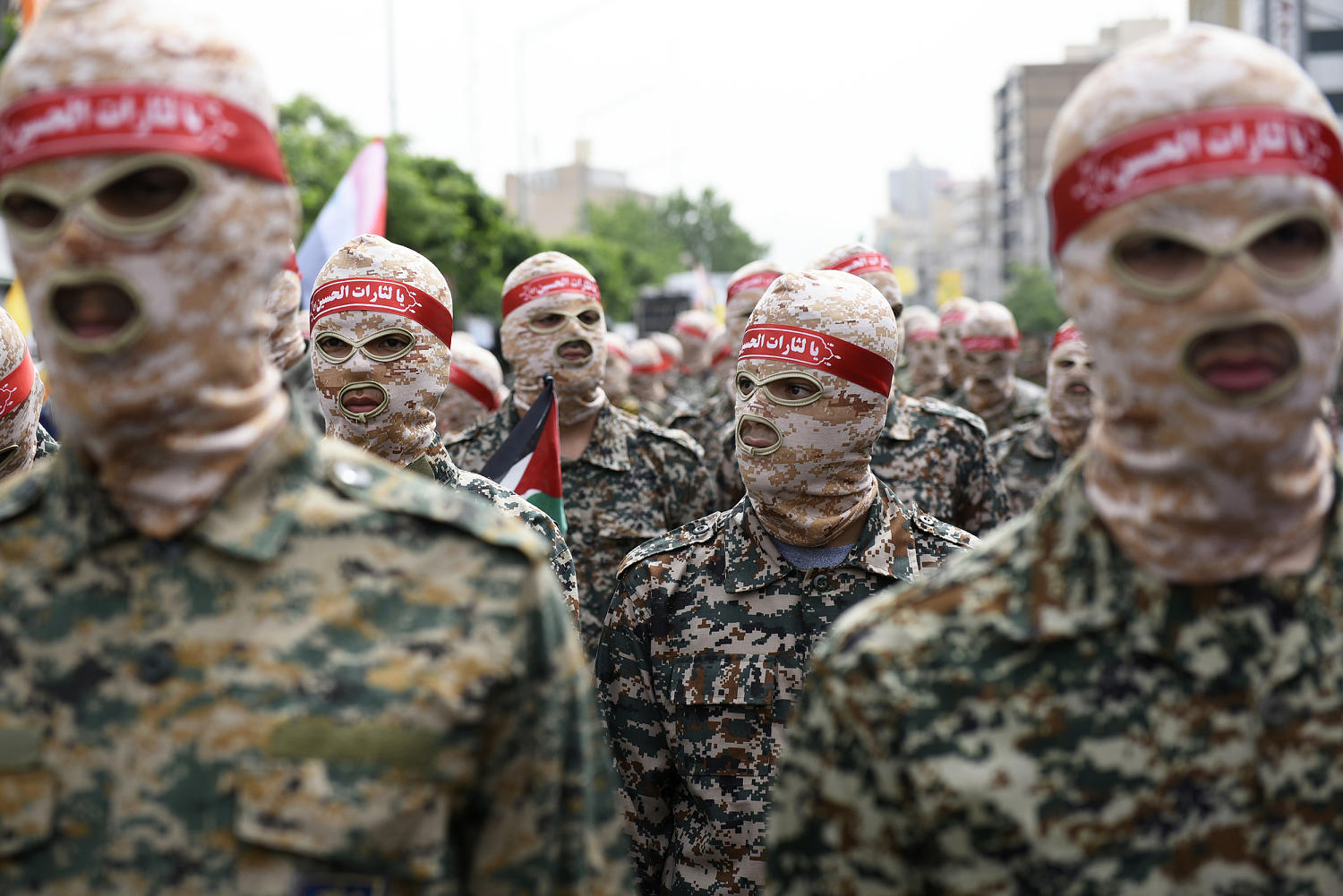
There is a psychological weight to these strikes that rarely makes it into the evening news. For the Iranian public, this isn't a strategic blunder. It is a confirmation of every fear they have been fed for decades. It turns the United States from a champion of human rights into a faceless specter that strikes from the clouds.
The strategic irony is biting. Every time a strike misses its mark and hits a school, it creates more of the very thing the U.S. claims to be fighting: radicalization. A father who loses a daughter to a "precision" strike doesn't care about the technical specifications of the missile. He cares about the hole in his heart.
Hegseth’s rhetoric remains firm. He emphasizes that the U.S. will not be deterred from protecting its interests and its allies. He speaks of "strength" and "accountability." But accountability is a slippery concept in a world of automated warfare. Who is responsible? The programmer? The pilot? The general who signed the order? The Secretary who defends it?
The truth is that we have built a system so complex that responsibility is diffused until it vanishes. It is a cloud of blame that covers everyone and no one.
The Silence After the Boom
In the quiet corners of Isfahan, the funerals are small, somber affairs. There is no high-tech equipment there. Just wooden caskets and the sound of shovels hitting dry earth.
The girls who survived will go back to school eventually, but they won't look at the sky the same way. They will listen for the hum. They will flinch when a door slams. They are the living evidence of a "precision" that wasn't precise enough.
Back in Washington, the news cycle moves on. There are budgets to debate and elections to win. The investigation into the Isfahan school strike will eventually produce a series of recommendations. New "safeguards" will be implemented. A "holistic" approach to targeting will be promised.
But the dust remains. It coats the desks that are still standing. It settles on the torn pages of an algebra textbook. It fills the lungs of the people who have to keep living in the shadow of a superpower's "unintended consequences."
We are told that these are the costs of security. We are told that the world is a dangerous place and that hard choices must be made. But as the sun sets over the domes of Isfahan, one has to wonder if we are making the world safer, or if we are just getting better at explaining away the rubble.
The Secretary of Defense closes his leather-bound folder. The lights in the Pentagon stay on, humming with the power of a thousand servers, while a mother in Iran holds a leaked blue-ink pen to her chest and waits for a daughter who will never come home.
The missile was smart. The policy was strategic. But the ground is still screaming.