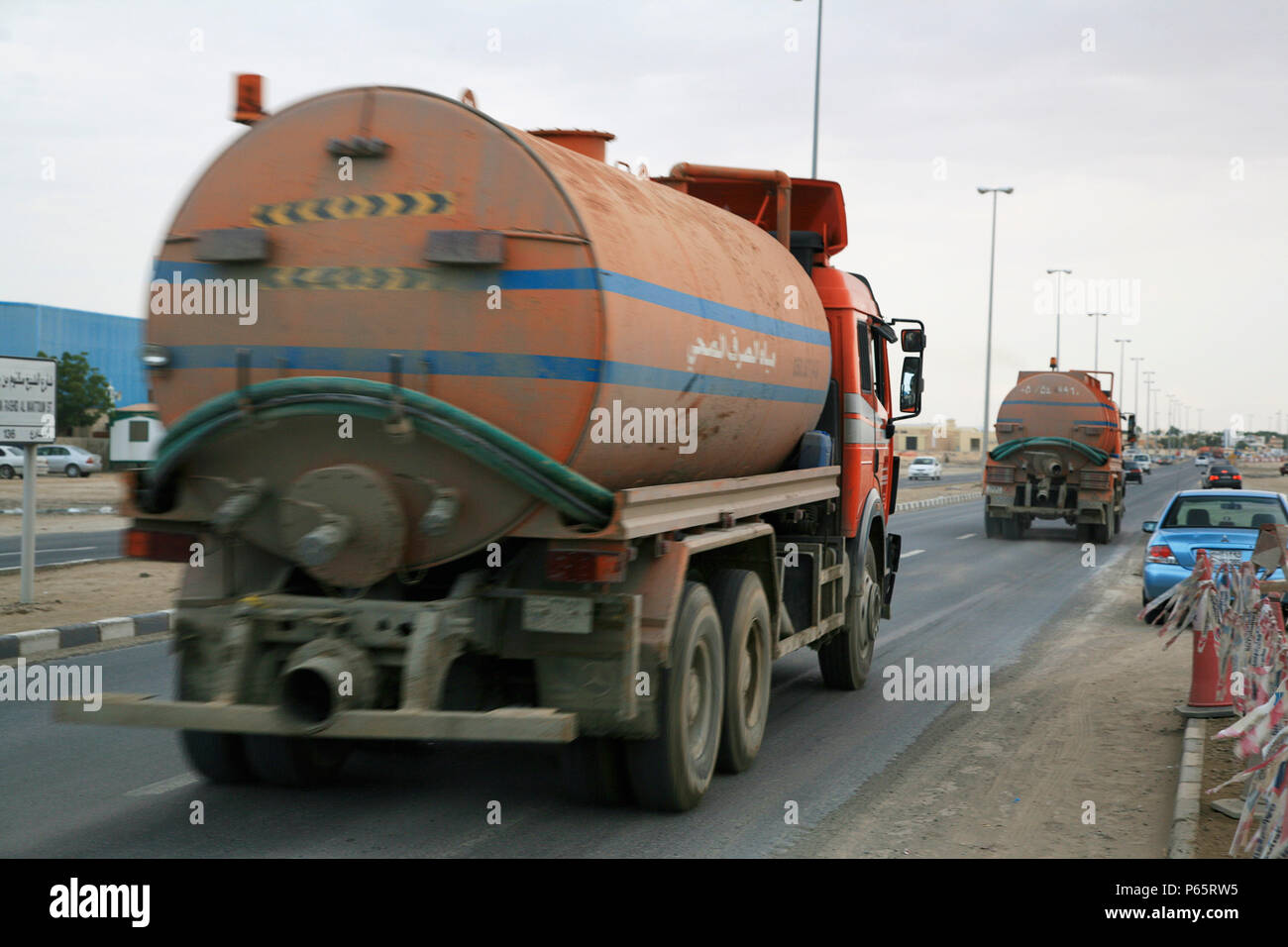
A Kuwaiti oil tanker takes a hit off the coast of Dubai and the global press corps starts hyperventilating about "supply chain fragility." They want you to believe we are one drone strike away from a global energy collapse. They want you to stare at the smoke over the Persian Gulf and ignore the structural decay of the entire maritime insurance industry.
The "lazy consensus" is that this is a geopolitical crisis. It isn’t. It is a massive, high-stakes stress test for an obsolete shipping model that should have been digitized and decentralized a decade ago. While the talking heads on cable news debate regional stability, they are missing the nuance: the physical strike is a rounding error. The real damage is being done in the boardrooms of London and Singapore where risk premiums are being calculated using logic from the 1970s. In similar developments, we also covered: The Volatility of Viral Food Commodities South Korea’s Pistachio Kataifi Cookie Cycle.
The Myth of the Vulnerable Strait
The media loves a map with a red "X" on it. They point to the Strait of Hormuz and scream about a bottleneck. But here is the reality I have seen from twenty years in energy trading: the physical oil rarely stops moving. Even when hulls are breached, the crude eventually finds its way to a refinery.
The crisis isn't the explosion. The crisis is the paperwork. Investopedia has provided coverage on this important topic in extensive detail.
When a tanker is struck, the immediate reaction is a spike in War Risk Insurance premiums. We are talking about overnight jumps of 5% to 10% on the total value of the cargo. On a VLCC (Very Large Crude Carrier) carrying two million barrels of oil, that is a $10 million "tax" levied by an insurance syndicate before a single drop of oil has even reached the consumer. This isn't about safety; it is about the extraction of rent by financial institutions that thrive on volatility.
- The Competitor's Error: They focus on the kinetic damage.
- The Reality: The damage is fiscal. The "strike" is a catalyst for institutionalized price gouging.
I have sat in rooms where brokers cheered for a minor skirmish because it allowed them to reset the floor for annual contracts. If you want to understand why your gas prices stay high even when production is up, stop looking at the drones and start looking at the actuaries.
The Failure of "Just-in-Time" Maritime Logistics
For thirty years, the industry has worshiped at the altar of efficiency. We built massive ships because the math said $C = f(V^{2/3})$, where costs scale slower than volume. But this fixation on scale created a single point of failure.
Imagine a scenario where we didn't rely on 300-meter-long steel targets moving at 15 knots. If the industry had invested in modular, smaller-scale autonomous transport, a single strike off Dubai would be a non-event. Instead, we have "megatankers" that are essentially floating geopolitical leverage points.
We are using 20th-century hardware to solve 21st-century energy needs. The strike off Dubai proves that the current maritime "landscape"—a word my peers love to use while they lose money—is fundamentally broken. It is a system built on the assumption of permanent peace. That is not just optimistic; it is negligent.
Why "Freedom of Navigation" is a Ghost Story
The "People Also Ask" section of your brain is probably wondering: Where is the Navy? Why aren't we protecting these lanes?
Here is the brutal truth: The presence of naval escorts often increases the risk profiles for commercial vessels. It signals to adversaries exactly which targets carry the highest political weight. I’ve seen companies blow millions on private security details that did nothing but make their ships look like high-value military assets rather than commercial haulers.
The "Global Cop" model of maritime security is dead. It died the moment $500 hobbyist drones started being used to disable $100 million vessels. The cost-to-damage ratio has flipped. It costs a kinetic actor almost nothing to disrupt a multi-billion dollar trade route.
The Real Numbers of Conflict
- Cost of a Loitering Munition: $20,000 - $50,000
- Cost of a Destroyer Interceptor Missile: $2,000,000
- Cost of Market Uncertainty: Uncalculable
When you look at those numbers, you realize the Kuwaiti tanker strike isn't a military failure. It’s an economic inevitability. We are trying to defend a centralized, slow-moving asset with expensive, slow-moving bureaucracy. It is a losing game.
Stop Asking if the Oil Will Flow
The wrong question is: "Will this lead to a shortage?"
The right question is: "Who is profiting from the perception of a shortage?"
Every time a tanker is hit, "paper barrels" (oil futures) trade at 10x the volume of "wet barrels" (actual physical oil). The speculators are the ones hitting the "buy" button before the smoke has even cleared the deck. They aren't worried about the Kuwaiti crew; they are worried about their margin calls.
If you want to actually fix energy security, you don't send more carriers to the Gulf. You diversify the transit methods. You build the pipelines that the NIMBYs and the "green" lobbyists have spent decades blocking. You move toward localized energy production so that a skirmish in a different hemisphere doesn't dictate the price of a gallon of milk in Ohio.
The Actionable Pivot for Investors
If you are holding traditional energy stocks and panicking over the Dubai headlines, you are the exit liquidity for the smart money.
The smart move isn't betting on oil prices to moon. It’s betting on the companies that are making maritime logistics irrelevant. Look at the firms developing sub-sea pipelines that are harder to target. Look at the satellite-tracking firms that provide real-time transparency, making it impossible for insurance companies to lie about "high-risk zones" to hike rates.
The era of the "vulnerable tanker" is only a crisis because we allow it to be. We have the technology to make this irrelevant, but there is too much money tied up in the status quo. The Kuwaiti strike isn't a tragedy of war; it's a tragedy of stubbornness.
Stop reading the play-by-play of the damage report. Start looking at the structural rot that makes that report matter in the first place.
The fire on the water is a distraction. The real theft is happening in the dark.