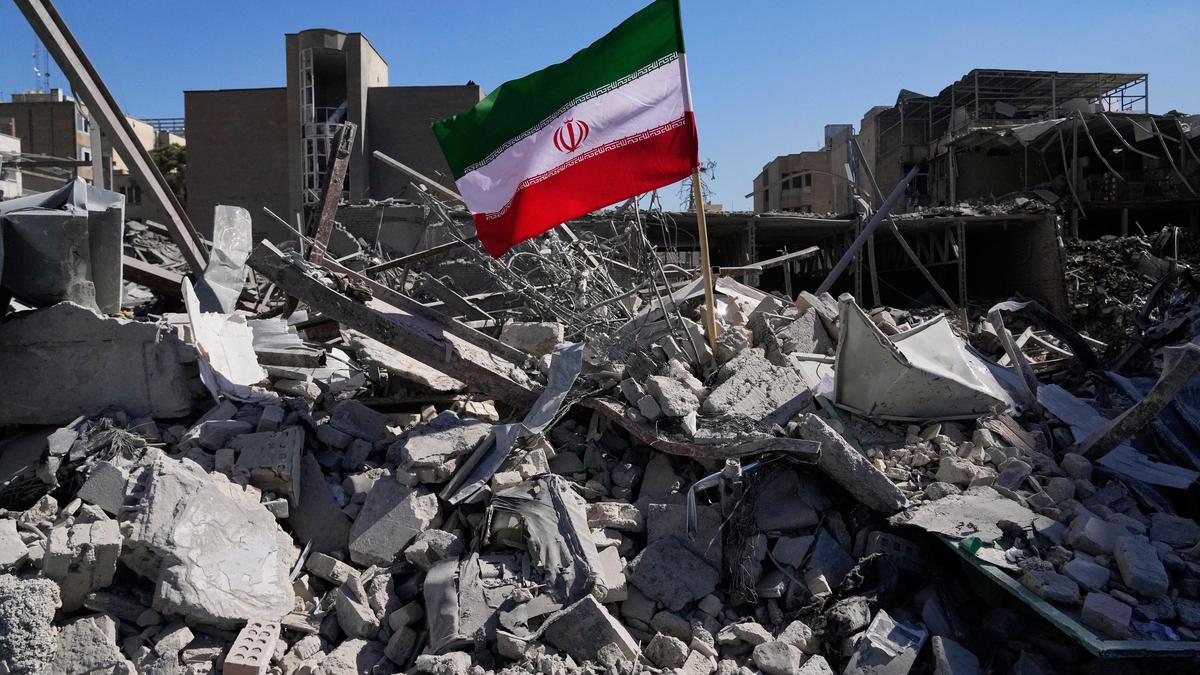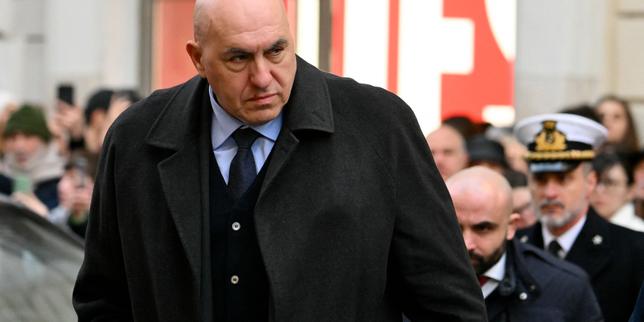
Guido Crosetto didn't expect a family vacation to become a national security nightmare. While most Italians were navigating the post-holiday slump, their Defense Minister was stuck in a luxury hotel in Dubai. He wasn't there for a secret arms deal or a diplomatic summit. He was there for the sun. Then the missiles started flying.
The timing couldn't have been worse. As tensions between Iran and Israel reached a boiling point, the man responsible for Italy’s military response was thousands of miles away from the situation room in Rome. It’s not just a PR disaster. It’s a massive lapse in judgment that reveals a terrifying disconnect between the ruling elite and the reality of global instability. You can’t lead a G7 defense strategy from a sun lounger when the Middle East is on the verge of a regional war.
Why This Dubai Trip Is More Than Just Bad Optics
Most politicians deserve a break. Running a country is exhausting. But Crosetto isn't just any politician. He's the architect of Italy's current military posture. When he chose Dubai as his holiday destination, he chose a flashpoint. The United Arab Emirates is a strategic hub, but it’s also right in the crosshairs of the current geopolitical shuffle.
When the conflict escalated, commercial flights were grounded. Regional airspace turned into a no-go zone. Suddenly, the person who should have been coordinating with NATO and the EU was effectively a hostage to commercial flight schedules and regional security protocols. It’s embarrassing. Honestly, it’s amateur.
The Breakdown of Leadership in a Crisis
What happens when a Defense Minister is "out of office" during a literal war? In Italy’s case, it meant a delayed response. While other European leaders were on secure lines within minutes of the escalation, the Italian ministry had to manage a complex "recovery" of its own leader.
The defense of a nation doesn't have a pause button. If you're in charge of the tanks, the jets, and the soldiers, your location matters. There's a reason world leaders usually vacation within a short drive of a secure command center. Choosing a Gulf state during one of the most volatile periods in modern history isn't just bad luck. It's a failure of risk assessment.
The Political Fallout in Rome
The opposition in Rome didn't miss a beat. They’ve been hammering Crosetto for "abandoning his post." It’s a powerful narrative because it’s largely true. While the government tries to spin this as a private matter, the reality is that a Defense Minister is never truly off the clock.
You’ll hear supporters say he was "always in contact" via secure phone. That’s a weak defense. Being on a phone from a hotel room isn't the same as being in the Palazzo Baracchini with your top generals. There’s a physical presence required for high-stakes decision-making. The "remote work" excuse doesn't fly when lives are on the line.
A Pattern of Questionable Judgment
This isn't the first time the Meloni government has faced scrutiny for its lifestyle choices, but this is the most dangerous instance. Crosetto has built a reputation as a blunt, straight-talking heavyweight. This incident punctures that image. It makes him look out of touch.
- Security protocols: Was the minister's security detail prepared for a regional lockdown?
- Communications: Were the lines used in a foreign hotel truly secure against state-level actors?
- Contingency: Why wasn't there a "plan B" for a rapid return?
These aren't just gossipy questions. They're fundamental to how a state functions. If the guy at the top doesn't take the regional threat seriously enough to stay within reach, why should anyone else?
The UAE Connection and the Arms Industry
There's another layer here that most people are ignoring. Crosetto has deep ties to the aerospace and defense industry. Before entering government, he was a top lobbyist for Leonardo and other major players. The UAE is one of Italy's biggest customers for military hardware.
Visiting Dubai on "vacation" as a private citizen is one thing. Doing it as a sitting minister while the region is on fire raises questions about where the line is drawn. Even if this was 100% a family trip, the overlap between his private interests and his public role creates a massive conflict of interest. It looks like he's playing both sides of the fence.
Security Implications for the Mediterranean
Italy likes to think of itself as the "bridge" between Europe and the Middle East. We're the primary players in the Mediterranean. When our Defense Minister gets stuck in the Gulf, it signals to our allies—and our enemies—that we aren't ready.
If Italy can't even get its own minister back home during a predictable escalation, how can it lead a multi-national task force? This isn't just about Crosetto. It’s about Italy’s credibility on the world stage. We look like the "sick man" of NATO again, distracted by luxury and vacations while the world burns.
Lessons for Future Crisis Management
This disaster should be a wake-up call for every high-ranking official in Europe. The era of "safe" vacations is over. If you hold a sensitive portfolio, your geography is a matter of state security.
- Mandatory Proximity: Ministers in key roles should have a radius they cannot leave without a formal handover of power.
- State Transport: If a minister must travel abroad, it should be on a state-controlled asset that can be diverted or recalled instantly.
- Real-Time Handover: There needs to be a clear, public protocol for who is in charge the second a minister steps onto a plane.
The current system relies too much on "trust" and "staying in touch." That’s not a strategy. It’s a prayer.
The Human Element vs. The Public Duty
We often forget that these people are humans. Crosetto likely just wanted to spend time with his kids. He probably thought the situation wouldn't explode while he was gone. But that’s the definition of a crisis—it’s the thing you didn't plan for.
When you take the job, you give up the right to a "normal" life. You sign away your ability to be unreachable. If that's too much to ask, don't take the keys to the armory. Italy needs a Defense Minister who is present, not one who is waiting for a delayed flight at DXB.
The next time a cabinet member books a flight, they should look at a map first. They should ask if they can get home in four hours if the world changes. If the answer is no, stay home. Or better yet, go to Sicily. The sun is just as bright, and you’re only a short hop from the office. Leadership isn't just about making the right calls; it's about being there to make them.
Crosetto is back in Rome now, but the damage to his "tough guy" persona is permanent. He’s no longer the strategist; he’s the guy who got stuck in Dubai. In the world of high-stakes politics, that's a label you never quite scrub off. If you're a public servant, your first duty is to be available. Everything else is a distant second. End of story.