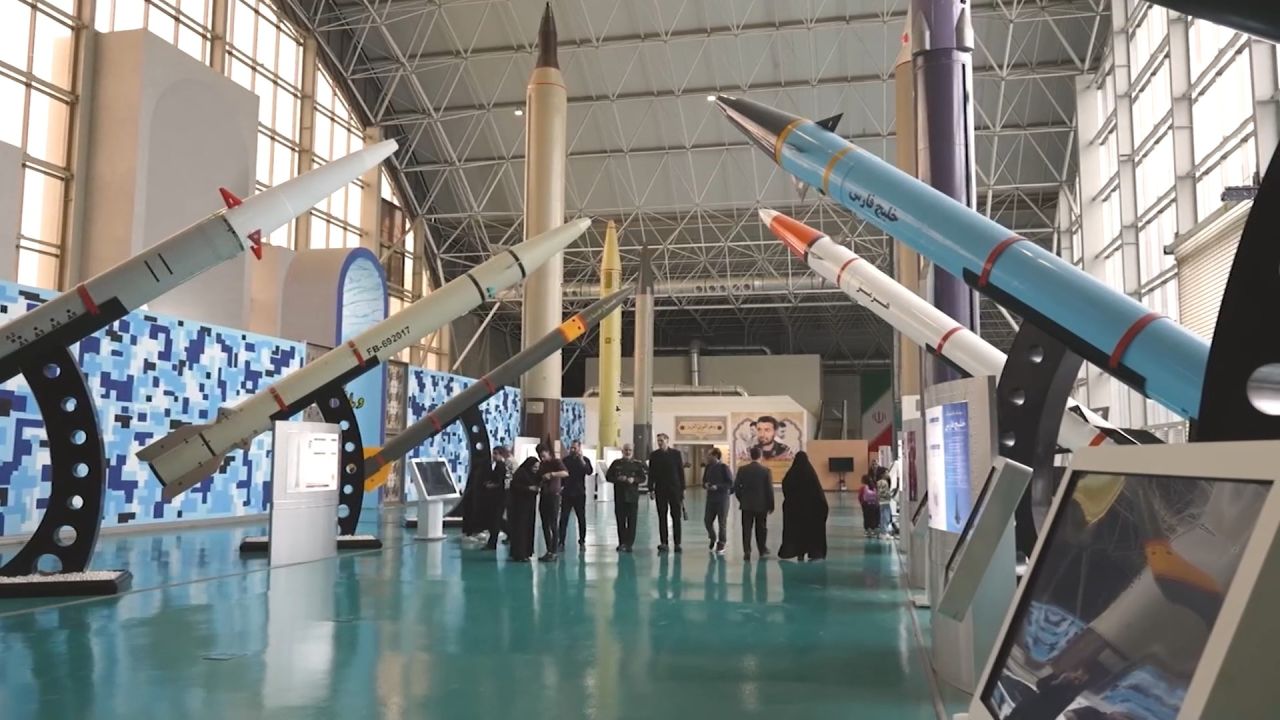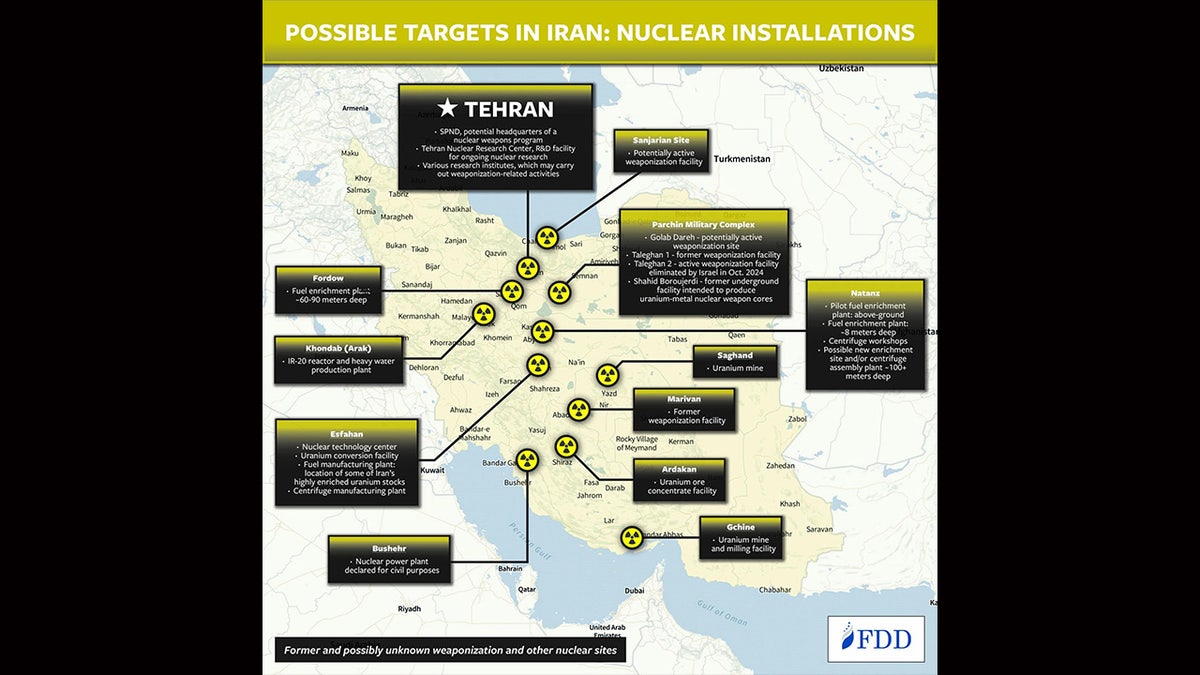
The myth of the untouchable desert fortress has finally met its match in the reality of 21st-century warfare. For decades, Dubai sold a very specific product: a high-gloss, tax-free neutral ground where the world’s wealthy could ignore the chaos of the Middle East. That sales pitch evaporated on February 28, 2026. When Iranian ballistic missiles and drones pierced the UAE’s airspace, targeting the very infrastructure that defines the city—its airports and logistics hubs—the "safe-haven" label didn’t just crack; it shattered.
Investors are now forced to confront a reality they have spent years pricing out of their portfolios. Dubai is no longer an isolated island of stability. It is a front-line actor in a regional powder keg, and its economic model is uniquely ill-equipped to handle sustained kinetic conflict. You might also find this connected story useful: The Middle Power Myth and Why Mark Carney Is Chasing Ghosts in Asia.
The Shattered Illusion of Neutrality
Dubai’s rise was predicated on being the "Switzerland of the Sands." It was the place where Russian oligarchs, Indian tech moguls, and Western hedge fund managers could rub shoulders without the baggage of their home countries' geopolitics. This neutrality was always a fragile construct, built on the assumption that the UAE could host U.S. military assets while maintaining a functional, if cold, peace with Tehran.
Saturday's strikes changed the calculus. By targeting Dubai International Airport—the world’s busiest international gateway—Iran sent a message that neutrality has a price. When the airport shuts down, the city stops breathing. Aviation and its related services account for roughly 27% of Dubai's GDP. Unlike Riyadh, which can lean on vast oil reserves to weather a storm, Dubai is almost entirely dependent on the movement of people and capital. If the planes don't land, the economy doesn't just slow down; it risks a heart attack. As reported in detailed articles by CNBC, the implications are worth noting.
The immediate suspension of trading on the Dubai Financial Market (DFM) and the Abu Dhabi Securities Exchange (ADX) through March 3 is an unprecedented admission of vulnerability. Regulators are not just protecting against a sell-off; they are trying to prevent a total collapse in confidence while they assess the physical and digital damage to the financial infrastructure.
The Real Estate Reckoning
For the last three years, the Dubai property market has been on a tear that defied gravity. Prices in prime areas like Palm Jumeirah and Downtown Dubai rose with a ferocity that suggested risk was a thing of the past. Much of this was driven by "flight to safety" capital—money fleeing the war in Ukraine or the stagnation of Europe.
That capital is notoriously skittish.
We are now seeing the first signs of a structural reallocation. While developers like Emaar reached record highs just days before the attack, the secondary market is suddenly frozen. In the luxury segment, the "safe-haven" premium is being replaced by a "war-risk" discount.
- Supply Glut Meets Demand Shock: Over 42,000 new units were scheduled for delivery in 2026. A market already bracing for a "normalization" is now facing a potential demand vacuum.
- The Expatriate Exit: Dubai’s population is over 90% expatriate. These residents do not have deep roots; they have contracts. If the perception of physical safety disappears, the incentive to stay in a high-cost, high-risk environment evaporates.
- Off-Plan Vulnerability: With 70% of transactions in 2025 being off-plan, the market is heavily leveraged against future confidence. If buyers stop making milestone payments due to regional instability, the construction sector—the city's other great engine—could stall.
The Chokehold on the Horizon
Beyond the missiles, the closure of the Strait of Hormuz by Iranian forces represents an existential threat to the UAE’s logistics-first economy. Roughly 20% of the world’s oil and LNG passes through this narrow neck of water. More importantly for Dubai, it is the primary artery for the Jebel Ali Port, the largest maritime hub in the region.
If the Strait remains a no-go zone, the "transshipment pivot" that Dubai has spent forty years building becomes a cul-de-sac. Maritime insurance premiums are already skyrocketing, with some providers issuing 50% hikes or outright cancellations for war-risk coverage. This isn't just a headache for oil traders; it’s a death knell for the low-margin logistics businesses that form the backbone of the non-oil economy.
The Regulatory Squeeze
While the physical threats are loud, the regulatory threats are quiet and arguably more dangerous. The UAE worked tirelessly to get off the FATF "gray list" in 2024 and the EU's high-risk list in 2025. It introduced a 15% domestic minimum top-up tax for multinationals starting in January 2025 to align with OECD standards.
These moves were designed to make Dubai a "grown-up" financial center. However, the timing is brutal. The city is now a higher-tax, higher-regulation jurisdiction at the exact moment its primary selling point—safety—is under fire.
The "old" Dubai attracted money because it was easy and cheap. The "new" Dubai is more difficult to navigate and, as of this week, demonstrably less safe. Professional-grade capital—the kind handled by the 1,200+ family offices and 100+ hedge funds in the DIFC—does not stay in places where the airports close and the stock markets freeze. They move to Zurich, Singapore, or even Riyadh, which is aggressively positioning itself as a more stable (and better defended) alternative.
The End of the Golden Era
The authorities in the UAE are experts at crisis management. They will likely announce massive new defense contracts, bolster their anti-missile shields, and offer new incentives to keep businesses from fleeing. But you cannot legislate away the reality of geography.
Dubai’s success was built on the idea that it had transcended its neighborhood. That illusion is gone. The city is now being forced to choose between its alliance with the West and its proximity to an increasingly aggressive Iran. There is no "neutral" path back to the status quo.
Capital is mobile. Confidence is fragile. And for the first time in a generation, the world is looking at Dubai and seeing not a paradise, but a target. The coming months will determine if the city can reinvent itself yet again, or if we are witnessing the beginning of a long, expensive retreat from the desert.
Watch the gold markets in the Souks. When the merchants start hoarding bars instead of selling jewelry, you know the local elite have already made their decision.