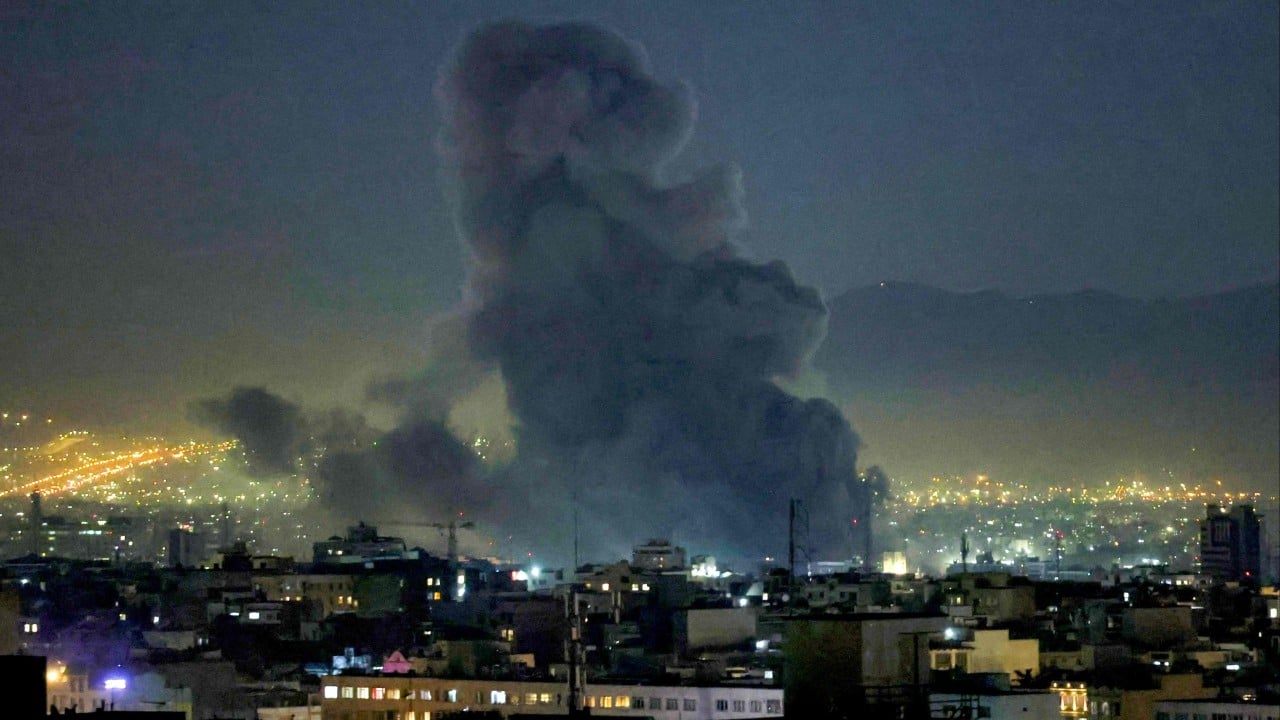
The midnight calm at RAF Akrotiri didn’t just break on Monday; it shattered. At roughly 12:00 AM local time, a suspected Iranian-made Shahed drone impacted the airfield of Britain’s most strategic Mediterranean outpost. While the Ministry of Defence (MoD) and Cypriot officials are quick to point out that damage was "limited" and nobody died, don't let the clinical language fool you. This is a massive escalation.
For the first time since Libyan militants lobbed shells at the base in the 1980s, the "Unsinkable Aircraft Carrier" has been hit. If you've been following the chaos in the Middle East over the last 48 hours, you know this wasn't a random glitch. It happened exactly 60 minutes after Prime Minister Keir Starmer gave the green light for the US to use British bases to strike Iranian missile sites at their source.
The night the sirens didn't stop
Residents in nearby Limassol and Akrotiri village described a deafening blast followed by the relentless wail of sirens. It wasn't long before the sky filled with the roar of Typhoon jets scrambling to intercept whatever else might be coming. The base went into a total lockdown. Personnel were told to hide under "substantial furniture" and stay away from windows.
It sounds like something out of a Cold War thriller, but for the families living on-base, it was a terrifying reality. By Monday morning, the Sovereign Base Areas Administration began a "temporary dispersal" of non-essential staff. People are voting with their feet, too. Many local residents packed their cars and fled to relatives elsewhere on the island, terrified that a second wave of drones or even ballistic missiles might follow.
Why Akrotiri is the ultimate target
You might wonder why a drone would travel all that way just to scuff up a runway. To understand that, you have to look at what Akrotiri actually does. It's not just a patch of British soil in the sun; it's the nerve center for every major UK air operation in the Middle East.
- Launchpad for Typhoons: This is where the RAF flies missions to intercept Houthi drones or monitor airspace over Iraq and Syria.
- Intelligence Hub: The signals intelligence gathered here is vital for the Five Eyes alliance.
- US Support: With Starmer's recent announcement, the base is now a direct enabler for American "Epic Fury" operations against Tehran.
Tehran sees Akrotiri as a legitimate combatant. When the UK says it's only acting in "self-defence," the other side doesn't buy it. To them, if a missile starts its journey at a British base, the base is part of the war.
A diplomatic nightmare for Nicosia
President Nikos Christodoulides is in a bind. He's spent the last 24 hours insisting that Cyprus "does not participate" in military operations. But the geography says otherwise. Even though the UK has sovereignty over Akrotiri and Dhekelia, the Republic of Cyprus gets the fallout—literally.
The political tension is boiling over. While the UK and US coordinate strikes, the Cypriot government has to explain to its citizens why their backyard is becoming a target. There's a growing divide between London's "high-readiness" rhetoric and Nicosia's desperate attempts to stay neutral. Honestly, it’s getting harder to maintain that fiction when Shahed drones are crashing into the peninsula.
What happens when the next one arrives
The MoD says force protection is at the "highest level." That usually means more batteries of Sky Sabre missiles and more frequent Combat Air Patrols (CAP) by F-35s and Typhoons. We already saw a Voyager tanker circling south of the island for hours after the hit, keeping the fighters fueled and ready.
But tech has limits. Drones like the Shahed are cheap, slow, and designed to swarm. You can shoot down 99 of them, but the 100th one only needs to find a parked jet or a fuel dump to cause a catastrophe.
If you're living in Cyprus or have family there, keep a close eye on the local NOTAMs (Notice to Air Missions). Airspace around the bases is becoming a "no-go" zone for civilian traffic on short notice. If the "dispersal" of personnel turns into a full-scale evacuation, that's your signal that the intelligence services expect something much heavier than a single drone.
Stay off the roads near the Akrotiri peninsula for now. The British military has sealed the entrances, and Cypriot police are running extra checkpoints. Check the official Sovereign Base Area (SBA) social media channels for real-time alerts, as they're currently the only source for immediate shelter-in-place orders.