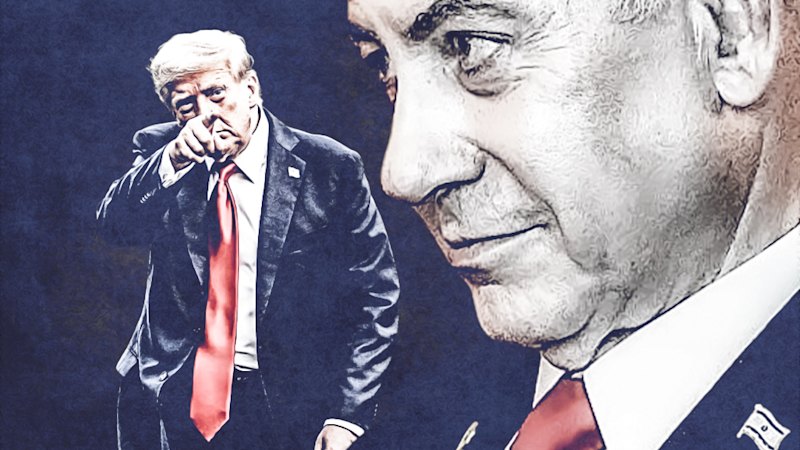
Iran’s leadership is a nightmare for its own people and a source of chaos for the region. That’s not a controversial take. Between the brutal crackdown on the "Woman, Life, Freedom" protests and the systematic execution of political dissidents, the Islamic Republic has earned every bit of its international pariah status. But here is the part that makes Washington and West Jerusalem uncomfortable. Acknowledging that Tehran is a villain doesn't give a green light for Donald Trump or Benjamin Netanyahu to tear up the rulebook of international law.
If we claim to care about a "rules-based order," those rules have to apply to the people we like, not just the ones we want to see toppled. When Trump ordered the assassination of Qasem Soleimani on Iraqi soil, or when Netanyahu’s government strikes diplomatic compounds, they aren't just taking out "bad guys." They’re dismantling the very legal protections that keep the world from sliding into total anarchy. You can’t claim the moral high ground while also claiming that the rules of war don't apply to you.
Why the Soleimani Strike Was More Than Just a Bold Move
Let’s look at the January 2020 strike on Qasem Soleimani. The man was a monster. He was the architect of Iran’s regional expansionism, a master of shadow wars, and responsible for the deaths of hundreds of Americans and countless Syrians and Iraqis. But that isn't the point.
Under international law, targeted killings outside of an active, declared war are incredibly difficult to justify. The Trump administration initially claimed it was to stop an "imminent threat," a legal term that requires specific, documented evidence of a planned attack. They never produced that evidence.
Agnès Callamard, the former UN Special Rapporteur on extrajudicial, summary, or arbitrary executions, was blunt about it. She called the strike a "clear violation" of the UN Charter. Why? Because the U.S. failed to prove that Soleimani was about to pull the trigger on an attack that couldn't be stopped any other way.
This isn't just a legal nerd’s argument. It matters because it sets a precedent. If the U.S. can just fly a drone into a sovereign country like Iraq—which was supposedly an ally—and execute a top-ranking military official of another country without a declaration of war, then what's to stop others? Russia could use the same logic in Europe. China could do it in the Pacific.
We’ve basically told the world that if you're powerful enough, "imminent threat" is just a magic phrase you say to make an assassination legal.
Netanyahu and the Gray Zone of Sovereign Violations
Benjamin Netanyahu has perfected the art of "managing the conflict" while pushing the boundaries of what the international community will tolerate. Israel has a legitimate right to defend itself against Iranian-backed groups like Hezbollah or Hamas. That’s a given. But the April 2024 strike on the Iranian consulate building in Damascus crossed a line that’s stood for decades.
Diplomatic facilities are supposed to be sacred ground under the Vienna Convention. Even during wars, you don't hit an embassy or a consulate. By targeting that building, Netanyahu didn't just kill Iranian military commanders; he signaled that no space is off-limits.
This move wasn't just about security. It was a calculated political gamble. For Netanyahu, keeping the region on the brink of a larger war is a survival strategy. It keeps his far-right coalition together and deflects from the massive domestic protests against his judicial reforms.
But at what cost?
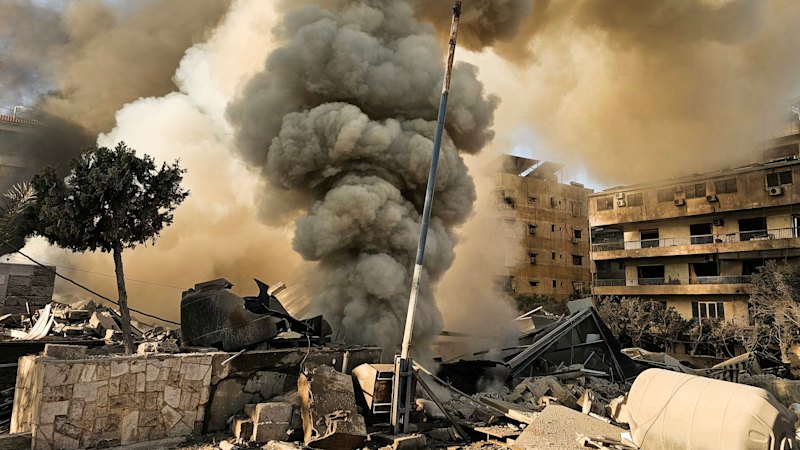
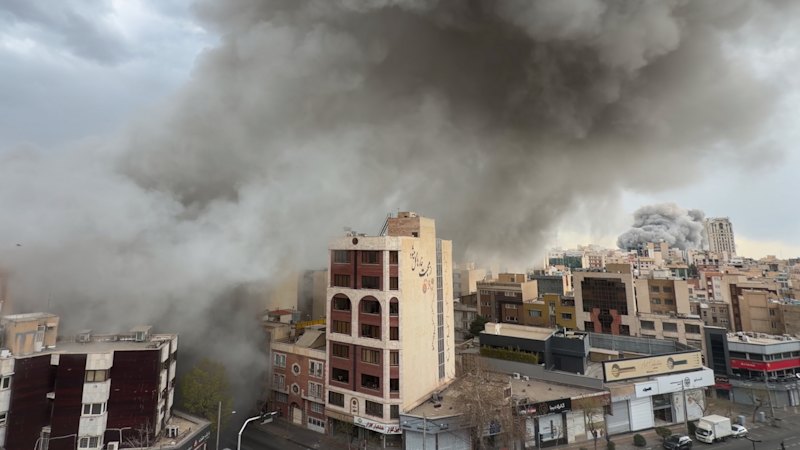
The strike forced Iran into a direct retaliation, the first time it ever launched a massive drone and missile attack from its own soil toward Israel. We’re now living in a world where the old "shadow war" is out in the open, and the guardrails are gone. Netanyahu’s actions have effectively legitimized the idea that diplomatic immunity is a suggestion, not a law.
The Vile Reality of Tehran Doesn't Pardon Our Own Crimes
I get the pushback. People say, "How can you defend Iran?" I’m not. Iran’s regime is a theological dictatorship that hangs people from cranes for the crime of wanting a better life. It is, by almost any objective measure, a vile political entity.
But the moment we say, "They’re so bad that we don't have to follow the law anymore," we’ve lost.
International law wasn't built for your friends. It was built specifically to manage your enemies. It’s easy to follow the rules when you’re dealing with a peaceful democracy. The real test is when you’re dealing with a regime as brutal as the one in Tehran.
When Trump unilaterally pulled out of the JCPOA—the Iran nuclear deal—despite international monitors saying Iran was complying, he broke a binding agreement. That’s a violation of the principle that treaties must be honored. It didn't make the world safer. It didn't stop Iran’s nuclear program. In fact, it gave the hardliners in Tehran exactly what they wanted: a reason to kick out inspectors and ramp up enrichment.
Today, Iran is closer to a nuclear weapon than it ever was during the Obama years. Trump’s "maximum pressure" campaign was a strategic failure of epic proportions. It crippled the Iranian middle class—the very people who might have pushed for internal change—while the IRGC and the ruling elite just got richer through black-market smuggling.
How Selective Justice Fuels the Narrative of the Global South
There’s a reason much of the world outside of the West is skeptical of U.S. and Israeli rhetoric. They see the hypocrisy. They see the U.S. condemning Russia for war crimes in Ukraine—rightfully so—while providing the munitions used for questionable strikes in Gaza or Lebanon.
When Netanyahu ignores the International Court of Justice (ICJ) or when the U.S. threatens to sanction ICC officials for investigating American or Israeli actions, it sends a loud message to the Global South. It says that the law is a weapon for the strong and a cage for the weak.
If we keep going down this path, the international legal framework will completely collapse. We’ll be back in a world where "might makes right" is the only rule that matters.
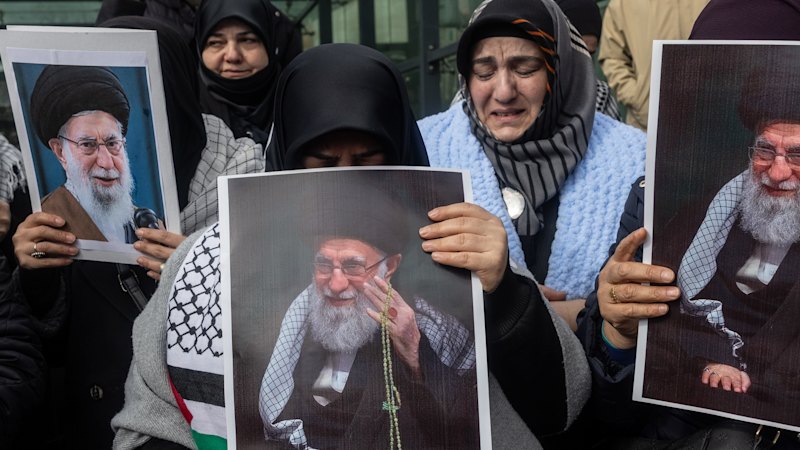
The IRGC thrives in that kind of world. They love the chaos. They love being able to tell their people, "Look, the West doesn't actually care about human rights or law; they just want to destroy us." Every time Trump or Netanyahu ignores a international legal norm, they hand a propaganda victory to the Supreme Leader.
The Strategy of Escalation Has Failed
For decades, the "hawks" in D.C. and Tel Aviv have argued that only strength and preemptive strikes can contain Iran. Look around. Is the region more stable?
- Lebanon is a failed state.
- Syria is a graveyard.
- Iraq is a tug-of-war between Washington and Tehran.
- The Red Sea is a shipping nightmare thanks to the Houthis.
The strategy of ignoring international law to achieve short-term tactical gains has been a disaster. It hasn't "restored deterrence." It’s just increased the stakes of the next inevitable clash.
Real strength isn't just having the biggest bomb. It’s having the discipline to maintain the systems that prevent global conflict. When Trump or Netanyahu bypasses those systems, they aren't being "tough." They’re being reckless.
What Needs to Change Right Now
We have to stop treating international law like an à la carte menu. You don't get to pick and choose.
The first step is for the U.S. to stop blocking international investigations. If an action is legal, it should stand up to scrutiny in the ICC or the ICJ. If it isn't, there should be accountability, even if it’s uncomfortable for an ally.
Second, we need to recognize that regime change by force or by "maximum pressure" doesn't work. It failed in Iraq, it failed in Libya, and it’s failing in Iran. Supporting the Iranian people means focusing on their human rights and their ability to communicate with the world, not blowing up njihov generals in foreign airports and hoping for the best.
Finally, the international community needs to hold Israel to the same standard it holds every other nation. Defending yourself against rockets is one thing. Leveling entire neighborhoods or hitting diplomatic buildings is another.
If we want to end the "vile" nature of the Iranian regime, we have to offer a better alternative. That alternative has to be a world where the law actually means something. Otherwise, we’re just two different brands of the same chaos.
The next time you see a headline about a "surgical strike" or a "preemptive move," ask yourself if it would be okay if China did it. Ask if it would be okay if Russia did it. If the answer is no, then it isn't legal when we do it, either.
Stop excusing war crimes because the victim is a villain. That’s how the villains win.