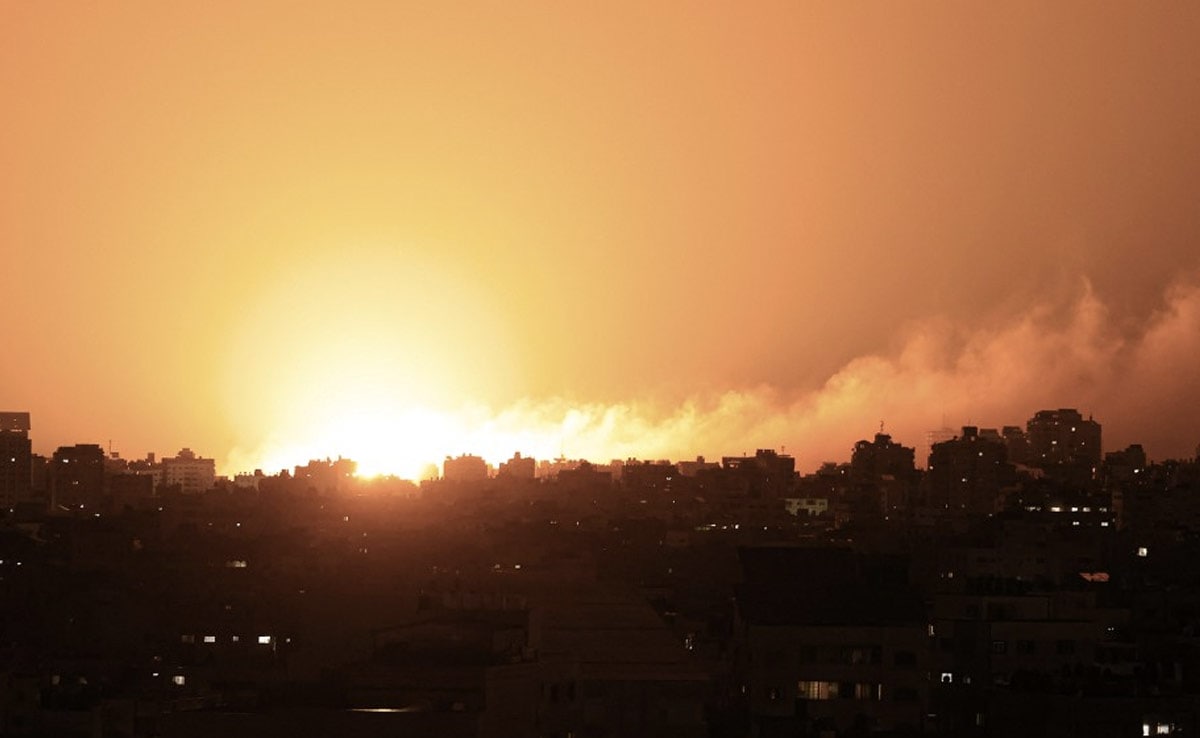
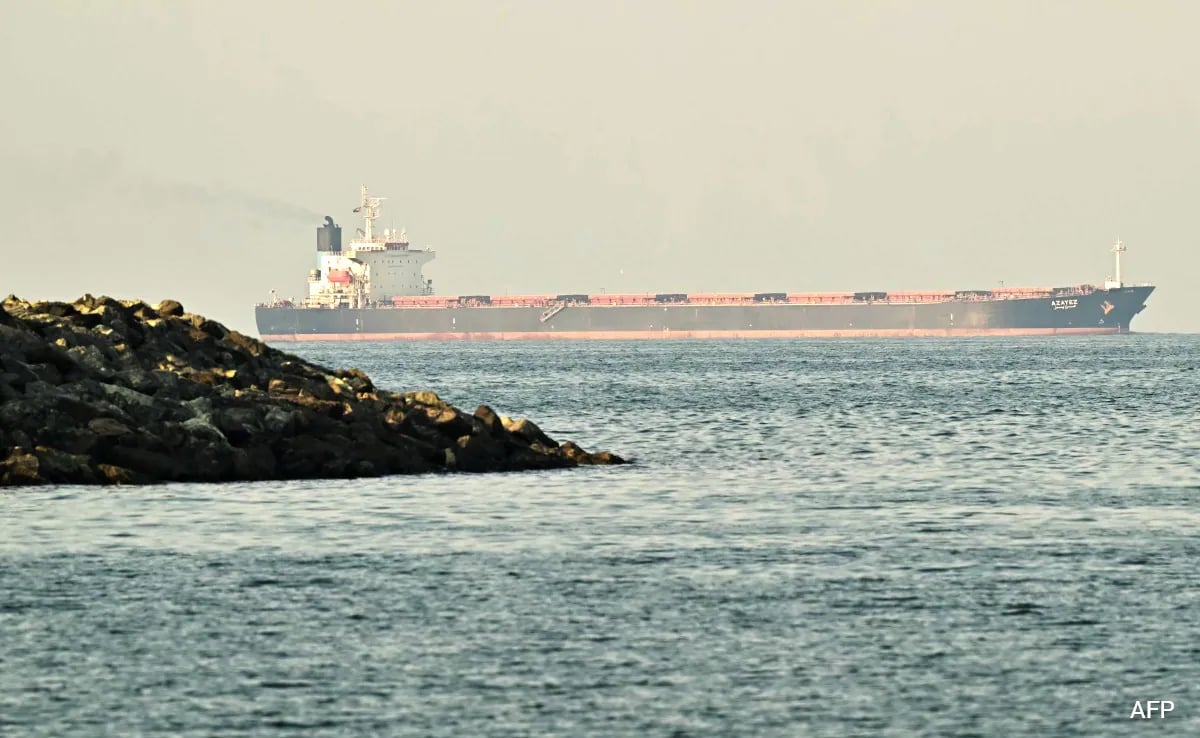
The Strait of Hormuz is the world's most sensitive windpipe, and right now, the U.S. is squeezing. If you've looked at gas prices this week, you already know something's wrong. Donald Trump just upped the ante in the ongoing conflict with Iran, issuing a warning that's as blunt as it is terrifying for global markets. He’s told Tehran that any attempt to mine the waterway will be met with a response that's "quick and violent."
This isn't just campaign rhetoric or a social media spat. We're in the middle of Operation Epic Fury, and the stakes involve about 20% of the world's oil supply. When the President says he'll hit Iran "twenty times harder" if they block the strait, he's talking about a level of military escalation we haven't seen in decades.
The Reality of the Hormuz Chokepoint
Why does this tiny strip of water between Oman and Iran matter so much? Honestly, it's the only way out for oil from Saudi Arabia, Kuwait, Iraq, and the UAE. In 2025, over 20 million barrels of oil flowed through here every single day. If that door slams shut, the global economy doesn't just slow down—it hits a brick wall.
The current panic started because U.S. intelligence spotted signs that Iran was prepping to drop naval mines. These aren't high-tech weapons, but they're incredibly effective at stopping trade. One cheap mine can cripple a billion-dollar tanker. Trump's "quick and violent" update was a direct reaction to these reports. He didn't just tweet about it; the U.S. Central Command confirmed they already wiped out 16 Iranian minelaying vessels on March 10, 2026.
What Trump’s Strategy Actually Means for You
Most people get this wrong: they think this is just about "winning" a war. It’s actually about energy prices. Trump is trying to project enough force to keep those tankers moving without having to actually sink the entire Iranian navy—though he says he’s happy to do that, too.
- Market Volatility: Oil prices spiked to $120 a barrel recently before swinging back down. That kind of whiplash is why your local gas station is changing its sign twice a day.
- Military Escorts: The Pentagon is currently weighing "tanker escorts." This means U.S. warships would literally sandwich oil tankers to protect them from Iranian fast boats and mines.
- Target Expansion: Trump has warned that if the shipping doesn't resume, he’ll target "easily destroyable" infrastructure that would make it impossible for Iran to rebuild for generations.
I’ve seen plenty of "tough talk" from leaders before, but the speed of this escalation is different. The U.S. is already using B-2 bombers to hit underground sites. This isn't a "shadow war" anymore. It's an open, high-intensity conflict.
The Risks No One Is Talking About
Everyone focuses on the oil, but the Strait of Hormuz is also the main exit for Liquefied Natural Gas (LNG) from Qatar. That’s 20% of the global LNG supply. If that stops, parts of Europe and Asia won't just have expensive gas—they might have power blackouts.
Iran knows this. Their commander, Alireza Tangsiri, basically dared the U.S. to "come closer and test it." They’re using the strait as a geopolitical hostage. It’s a high-stakes game of chicken where the "lose" condition is a global depression.
What Happens if the Strait Stays Blocked
If the current "trickle" of shipping doesn't turn back into a flood, expect the Trump administration to pull the trigger on even more aggressive naval operations. We’re likely to see:
- Operation Midnight Hammer expansion: Moving from surgical strikes to full-scale infrastructure destruction.
- Mandatory Escorts: Every Western-aligned tanker being treated as a military asset.
- Sanction Waivers: Temporary lifts on other oil-producing nations to flooded the market and offset the Hormuz loss.
The big mistake people make is assuming Iran will just back down because of the fire and fury talk. For the regime in Tehran, this is existential. They’re backed into a corner, and a cornered animal usually bites.
You should watch the Brent Crude index and the daily CENTCOM briefings. If you see news of a commercial tanker actually hitting a mine, that's the signal that the "violent" phase Trump promised has moved from specific strikes to a general maritime war. Keep your eye on the "political risk insurance" rates for these tankers—when those numbers go up, the ships stay in port, no matter what the President says on Truth Social.