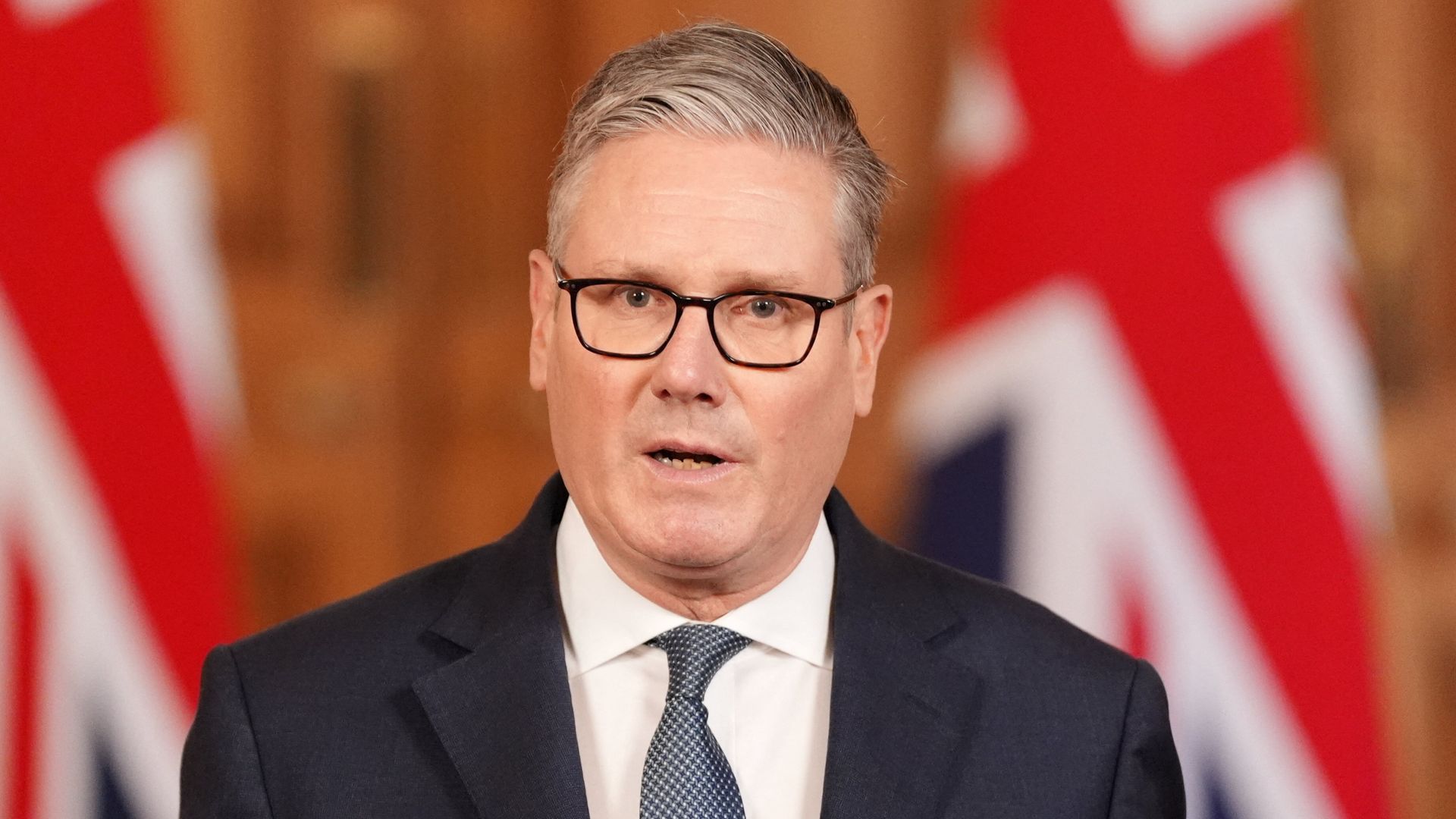
Prime Minister Keir Starmer currently occupies the most uncomfortable seat in the Western alliance. As the United States and Israel execute a campaign of high-intensity strikes against Iranian military and nuclear assets, the British government is desperately trying to thread an impossible needle. The objective is to maintain the bedrock of the special relationship with Washington while avoiding a legal and political entanglement in what is increasingly viewed as an uncontained regional conflagration. It is a balancing act of profound volatility, characterized by public distancing and private anxiety.
Starmer has been categorical regarding the United Kingdom’s non-involvement in the current strikes. He frames the British military presence in the Middle East—planes currently patrolling the skies and naval assets on high alert—strictly as defensive measures, carefully tethered to the mandates of international law. This is a deliberate rhetorical and operational choice. By emphasizing that these assets are protecting personnel and allies rather than participating in the offensive against Tehran, Downing Street is attempting to insulate itself from the fallout of President Donald Trump’s aggressive interventionism.
The reluctance to permit the use of Royal Air Force (RAF) bases for these operations is a significant flashpoint. Sources indicate that internal government legal advice, championed by the Attorney General, warned that involvement in pre-emptive strikes could implicate the United Kingdom in a breach of global legal standards. Starmer is keenly aware that a Labour government cannot afford the optics of a post-Iraq-style military entanglement. The collective memory of that conflict remains a potent force in British political discourse, creating a restrictive ceiling on how much support Starmer can provide for unilateral action.
The Legal and Moral Quagmire
The friction between London and Washington is not merely tactical. It reflects a fundamental divergence in risk assessment. While the White House appears to view the degradation of the Iranian regime as a strategic imperative that justifies high-risk maneuvers, Whitehall is focused on the cascading consequences of a sudden power vacuum.
The regime in Tehran is not monolithic. A violent, destabilizing collapse, or even a period of intense, prolonged state failure, could produce secondary crises that ripple far beyond the Persian Gulf. Energy markets, migration patterns, and the potential for a surge in regional sectarian violence present immediate threats to European security. Starmer’s caution is rooted in the belief that the "what comes next" scenario has not been sufficiently modeled by the current American administration.
For a leader with a background in human rights law, the legitimacy of the military action is a primary concern. The government’s stance is that while the Iranian leadership is objectively abhorrent—characterized by internal repression and regional belligerence—the method of opposition matters. Participating in a strike package that lacks a clear, actionable post-conflict framework is, from the perspective of many British officials, a violation of prudent statesmanship.
The Pressure from Within
Domestically, Starmer is facing a pincer movement. The left wing of the Labour party is pushing for a formal condemnation of the strikes as illegal, citing the lack of a clear UN mandate and the civilian risk inherent in aerial bombardment. Conversely, segments of the Conservative opposition and right-leaning press are portraying his caution as weakness or, worse, a betrayal of the transatlantic alliance.
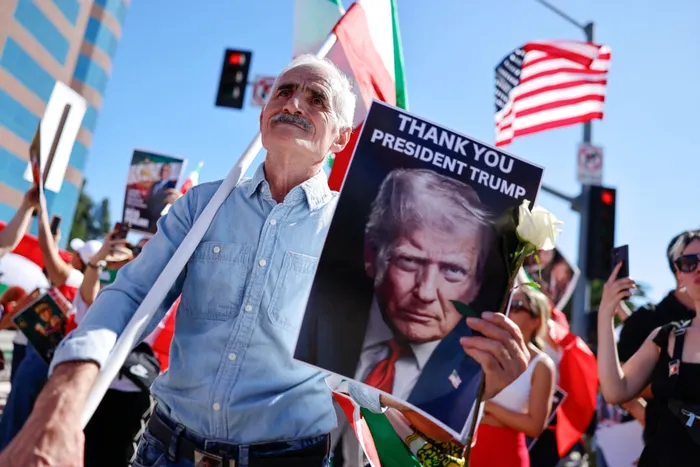
This dynamic is exacerbated by the broader context of the UK’s current foreign policy efforts. The government has recently been engaged in complex negotiations, including the Chagos Islands deal, which drew sharp criticism from the White House. Trump’s administration has clearly signaled that military cooperation is conditional on a certain level of political alignment on these wider issues. Starmer is effectively being told that maintaining the special relationship requires a level of compliance with American objectives that the British legal and political system is currently struggling to digest.
The Vulnerability of Regional Allies
The reality on the ground is even more complex. Gulf states, which have historically relied on US security guarantees, are now finding themselves caught in the crossfire of this confrontation. While some have engaged in back-channel communication to support the strikes, they are terrified of being perceived as active partners in a conflict that could lead to Iranian retaliation on their critical infrastructure.
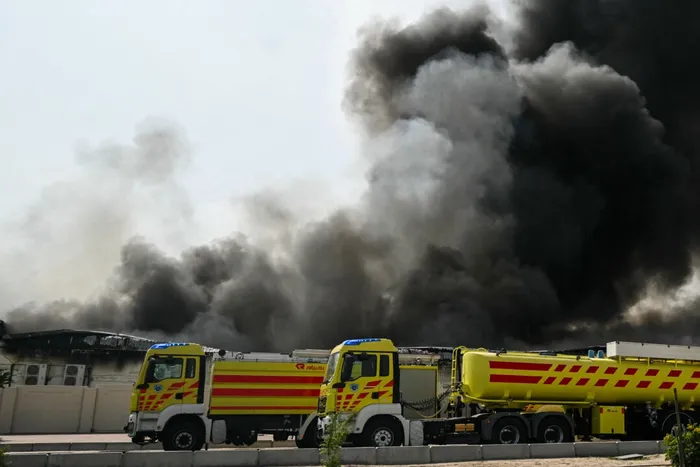
The result is a region in a state of hyper-vigilance. Dubai’s economy, energy export facilities in the Persian Gulf, and critical transit nodes are all now potential targets in a way they were not during the previous cycles of tension. This escalation has moved from a series of proxy conflicts to a direct, kinetic standoff that threatens the daily operations of global trade.
A Future Defined by Instability
The diplomatic reality is that London’s influence on the current trajectory is remarkably low. The decision-making process in Washington is, by all accounts, highly centralized around the President, with little space for traditional consultations with European partners. This has left the E3—Britain, France, and Germany—scrambling to articulate a unified, de-escalatory position that is largely being ignored by the key protagonists.
If the goal of the current US-Israeli campaign is to force a systemic change within Iran, the British government is betting that the cost will be significantly higher than Washington anticipates. The risk is not just the potential for a wider conflict involving major powers, but the emergence of a failed state in a region that can ill afford another black hole of governance.
The strategy of sitting on the fence, while politically safe for the moment, offers no long-term solution. Eventually, the situation will demand that the British government move beyond the language of condemnation and defensive posture. Whether that means finding a way to re-establish a diplomatic back-channel, or facing the reality that the special relationship is no longer the flexible instrument it once was, a defining choice is approaching.
The silence from Downing Street regarding the specific nature of their private communications with the White House speaks to the severity of the rift. They are not waiting for a call; they are waiting to see if the world holds together long enough for the next phase of this strategy to be revealed. The window for a managed outcome is narrowing, replaced by the grim reality of a direct, unpredictable escalation that has moved past the control of even its primary architects.
The path forward hinges on whether the current leadership in London can articulate a coherent vision for the region that differentiates itself from the escalating logic of the strike campaign, or if it will be dragged into the current by the sheer gravitational pull of the conflict.