The media is allergic to strategy. When a leader invokes a historical trauma like Pearl Harbor in a modern diplomatic setting, the immediate reaction from the press gallery is a collective gasp of manufactured horror. They call it "excruciating." They call it a "gaffe." They scramble to write the same tired article about "insensitivity" and "diplomatic norms."
They are missing the point. Entirely. You might also find this similar coverage useful: The $2 Billion Pause and the High Stakes of Silence.
What the "lazy consensus" identifies as a blunder is actually a masterclass in psychological leverage. In the high-stakes theater of global trade and defense, the goal isn't to be liked; it is to be remembered and to destabilize the existing comfort of your opponent. While the pundits are busy clutching their pearls, the geopolitical board is being reset.
The Myth of the Fragile Diplomat
Most political commentary operates on the flawed premise that diplomacy is a dinner party where the primary objective is avoiding awkward silences. This is a fairy tale. Real-world diplomacy—the kind that moves billions of dollars in tariffs and shifts military alliances—is a series of cold, hard transactions. As highlighted in latest coverage by The Guardian, the implications are notable.
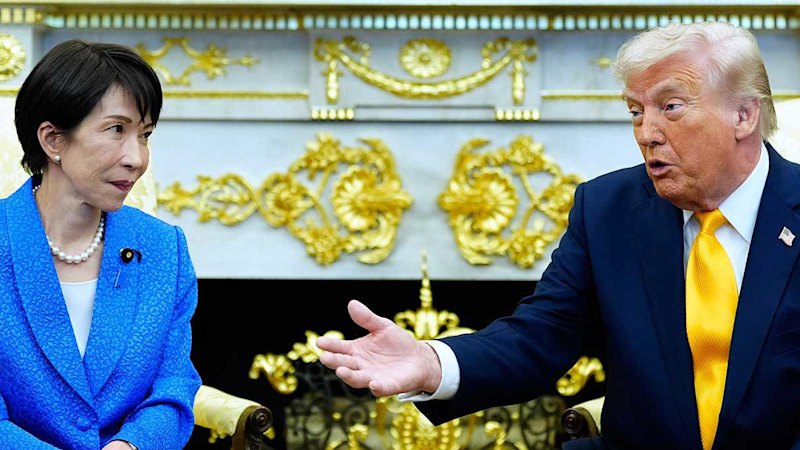
When a U.S. President brings up Pearl Harbor to a Japanese delegation, he isn't "forgetting the war." He is reminding the room who holds the historical and moral high ground in a relationship that has become dangerously lopsided in terms of trade deficits.
Critics argue that such comments damage "soft power." I’ve spent two decades watching negotiators lose their shirts because they cared more about soft power than hard results. Soft power is what you use when you don't have the guts to demand a better deal. By invoking a moment of ultimate vulnerability and subsequent triumph, a leader signals that the era of polite decline is over.
The Strategic Utility of Discomfort
Discomfort is a tool. If you can make an opponent feel off-balance, you’ve already won the first phase of the negotiation. The "excruciating" silence that the media mocks is actually a vacuum where the other side’s certainty used to be.
Consider the mechanics of a standard diplomatic meeting. It is scripted. It is sterile. It is designed to produce a "joint statement" that says absolutely nothing.
- The Pattern Interrupt: By dropping a rhetorical bomb, the leader breaks the script.
- The Cognitive Load: The opposing team must now divert mental energy from their pre-planned talking points to manage the perceived "insult."
- The Power Shift: The person who broke the rules now controls the new rules of the engagement.
It isn’t about the history of 1941. It’s about the reality of 2026. If you think these comments are accidental, you haven't been paying attention to how power actually functions.
Dismantling the Sensitivity Industrial Complex
We are told that global leaders must be "empathetic." This is a lie sold to you by people who have never had to protect a national economy. Empathy in international relations is often just a synonym for "concession."
The media’s obsession with "not mentioning the war" is a relic of a post-Cold War era that no longer exists. We are back in an age of Great Power Competition. In this environment, historical grievances are currency. To suggest that a leader should ignore the most significant military event in the history of the Pacific relationship is to suggest that they should enter the room with one hand tied behind their back.
"A leader who follows all the rules of etiquette is a leader who is easily predicted and easily defeated."
I have seen executives in the private sector try the "polite" approach during hostile takeovers. They get eaten alive. The ones who survive are the ones who aren't afraid to be the "clown" or the "villain" in the eyes of the press if it means securing the bottom line.
The Data of Defiance
Let's look at the numbers the pundits ignore. Does "excruciating" rhetoric actually hurt trade? Historically, no.
- Market Volatility: Often, these "shocks" create short-term dips that savvy players use to reposition.
- Negotiation Timelines: Radical honesty—even when wrapped in "insensitive" packaging—often accelerates stalled talks because it forces the other side to address the elephant in the room.
- Public Sentiment: While the international press screams, the domestic base often rallies. A leader who appears to "stand up" to foreign interests gains a mandate that is far more valuable than a positive headline in a foreign newspaper.
Imagine a scenario where a CEO walks into a board meeting and reminds the directors of their past failures before asking for a raise. Is it "awkward"? Yes. Does it establish that the CEO knows exactly where the bodies are buried? Absolutely.
Why the Press Needs the Gaffe Narrative
The media relies on the "gaffe" narrative because it is easy to write. It requires no deep understanding of trade law, defense treaties, or psychological operations. It only requires a sense of moral superiority.
When they frame a Pearl Harbor reference as a "bomb," they are performing for an audience that wants to feel more sophisticated than the man in the Oval Office. But sophistication doesn't pay the bills. Results do.
The real question isn't "Why did he say that?" The real question is "What did he get in exchange for the outrage?"
By making the conversation about the comment, the leader has successfully moved the conversation away from whatever concessions he was not willing to make. It’s a classic misdirection. The press is the volunteer assistant in a magic trick, loudly pointing at the wrong hand while the real work happens in the shadows.
Stop Asking if it Was Offensive
If you are still asking whether a political statement was "offensive," you are stuck in the 20th century. In the current global climate, offense is a commodity. It is traded, leveraged, and weaponized.
The most successful disruptors in history—from Steve Jobs to Napoleon—were rarely described as "polite" or "sensitive" to the feelings of their rivals. They were described as "difficult," "erratic," and "dangerous."
That is exactly where you want to be.
Stop looking for the apology. Start looking for the shift in the trade deficit. Stop worrying about the "excruciating" atmosphere and start looking at the revised defense posture of the "offended" party. Usually, you’ll find they are suddenly much more willing to talk.
The next time a headline tells you to be embarrassed for a leader, ask yourself who benefits from your embarrassment. It’s usually the people who want you to keep playing by the old, losing rules.
Turn off the commentary. Watch the movement of the money. That is the only reality that matters.
Burn the etiquette manual and start winning.