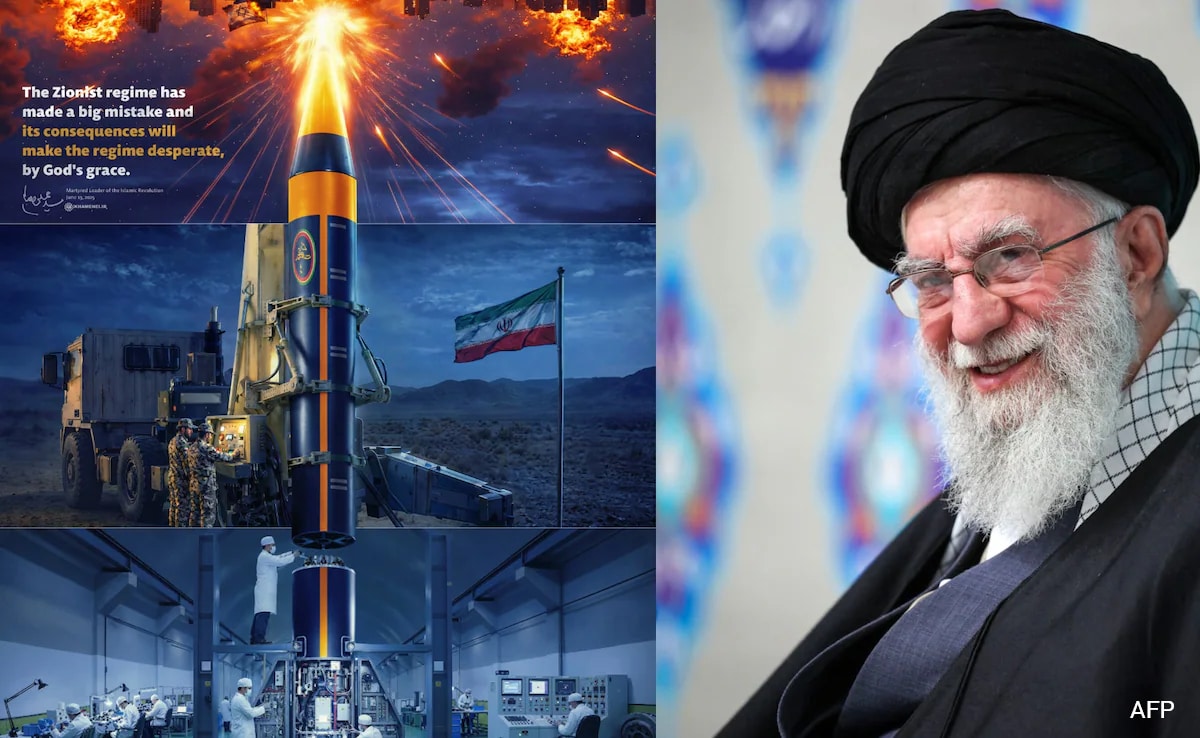
The internet is currently obsessed with a post on X. Specifically, a post from the account of Iranian Supreme Leader Ali Khamenei, declaring that the "Zionist regime made a big mistake." General news outlets are treating this like a tectonic shift in Middle Eastern geopolitics. They are dissecting the syntax of a tweet as if it were a declaration of total war or a masterstroke of psychological operations.
They are wrong.
Watching the global media apparatus scramble to interpret a social media post is like watching a room full of people analyze the steam coming off a boiling kettle while ignoring the fact that the stove is actually on fire. We have reached a point where we confuse digital noise with kinetic reality. If you want to understand the actual state of power in the 21st century, you have to stop reading the posts and start looking at the logistics.
The Myth of the "Warning"
The lazy consensus among analysts is that a high-profile post from a state leader serves as a "formal warning" or a strategic deterrent. This perspective is a relic of the Cold War, transposed poorly onto a platform designed for viral engagement and advertising revenue.
In real-world power dynamics, if you intend to strike, you do not post about it on a platform owned by an American billionaire. You move batteries. You scramble signals. You go dark. Publicity is the opposite of tactical advantage. When a state actor uses X to "warn" an adversary, they aren't talking to the adversary’s generals. They are talking to their own base and a global audience of panicked observers.
It is a performance of power intended to mask a lack of options.
I have spent years analyzing how state-sponsored digital influence campaigns operate. The most effective operations are the ones you never hear about—the quiet infiltration of infrastructure, the subtle shifting of supply chains, and the slow erosion of an enemy’s internal cohesion. A loud, capitalized post about a "big mistake" is the geopolitical equivalent of a professional wrestler cutting a promo. It’s loud, it’s angry, and it’s scripted to keep the audience in their seats.
Why the Press Always Falls for the Bait
The media loves these posts because they are easy to cover. You don't need to understand the complexities of the Khuzestan province's water crisis or the specific range of a Fattah-1 hypersonic missile to write a story about a tweet. You just need a screenshot and a headline.
This creates a feedback loop of false importance.
- A leader posts a vague threat.
- Media outlets report it as a "major escalation."
- The public reacts with fear.
- The leader sees the reaction and feels they have successfully projected power.
In reality, nothing has changed on the ground. The "mistake" being referenced is usually a tactical reality that the posting party cannot actually reverse. By framing it as a "mistake" that will be "punished," they create a narrative of future action to distract from present inaction.
The Logistics of Inaction
Let’s talk about what actually constitutes an escalation.
True military escalation requires three things:
- Material Capability: Do you have the hardware to reach the target?
- Economic Resilience: Can your domestic economy survive the inevitable counter-strike and subsequent sanctions?
- Political Will: Does the leadership prioritize a kinetic win over their own survival?
When you look at the current Iranian-Israeli tension through this lens, the X posts start to look very thin. Iran's economy is strained by years of "maximum pressure" and internal unrest. A full-scale kinetic conflict with a nuclear-armed state backed by the U.S. Navy is not a strategic choice; it is a suicidal one.
Therefore, the "warning" is the end of the action, not the beginning. It is the release valve. By "issuing a warning," the regime can claim a moral and rhetorical victory without having to fire a single shot that might actually invite a devastating response.
Stop Asking if it’s an Escalation
People are constantly asking, "Is this the start of World War III?" or "How will the other side respond?"
These are the wrong questions. The premise is flawed because it assumes that digital rhetoric is a precursor to physical violence. In the modern era, digital rhetoric is often a substitute for physical violence. It allows leaders to satisfy the "do something" demand from their constituents without actually risking their regimes.
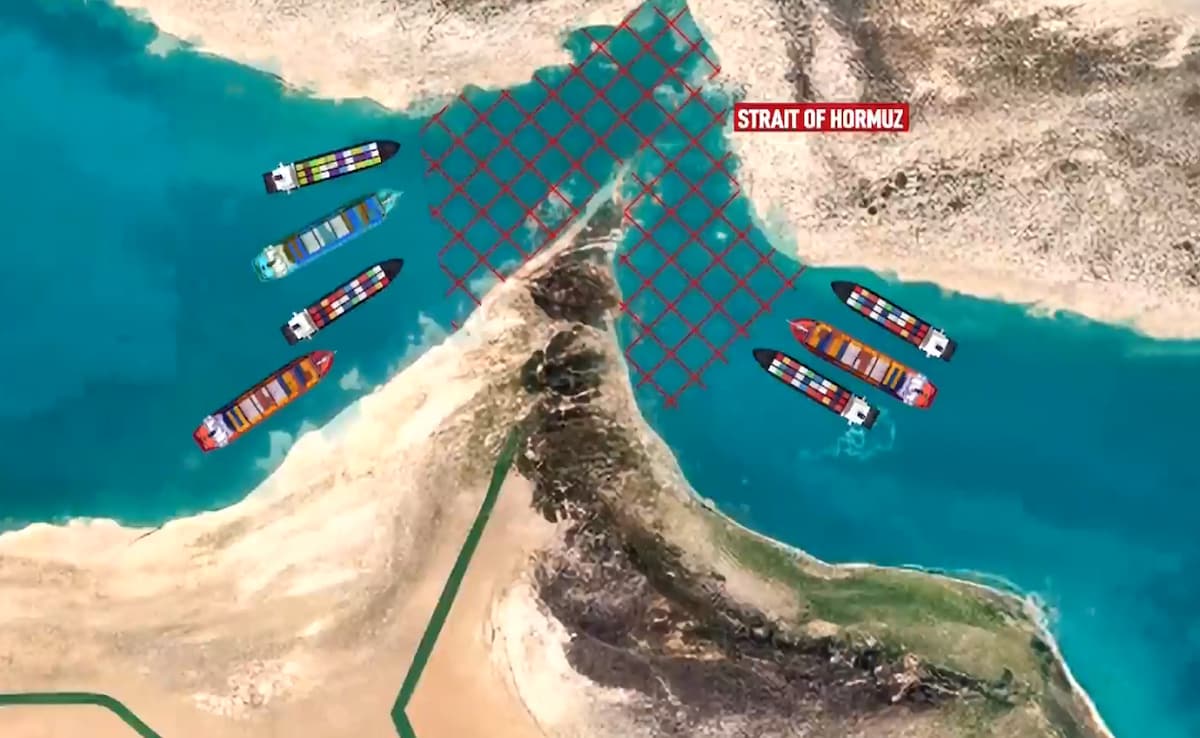
If you want to know what’s actually happening, look at the tankers. Look at the insurance rates for cargo ships in the Strait of Hormuz. Look at the movements of the US fifth fleet. If the ships aren't moving, the tweet doesn't matter.
The Cost of the Performance
There is a downside to this contrarian view, and it’s one we have to acknowledge: the risk of accidental friction.
Even if these posts are intended as domestic theater, they contribute to a "fog of war" that exists entirely in the minds of the global public. This atmospheric tension can lead to market volatility and diplomatic miscalculations. But we must distinguish between market panic and military reality.
The "mistake" isn't what happened on the ground. The mistake is our collective insistence on treating 280 characters as a substitute for intelligence briefings.
We are living in an era where the loudest voices are usually the ones with the least to lose—and the least ability to actually change the outcome. Khamenei’s account didn't issue a warning; it issued a press release for a distracted world.
The Hierarchy of Real Power
To navigate this, you need to understand the hierarchy of what actually matters in a conflict:
- Energy Independence: Can you keep the lights on when the grid gets hacked?
- Manufacturing Breadth: Can you replace a drone faster than your enemy can shoot it down?
- Internal Stability: Will your population turn on you the moment the internet goes out?
- Sub-threshold Operations: Assassinations, cyber-attacks, and sabotage that offer plausible deniability.
- ...and somewhere at the very bottom... Social Media Posts.
If a state is winning at levels 1 through 4, they don't need level 5. They don't need to post. They don't need to trend. They simply act, and the world adjusts to the new reality they have created.
Your New Framework for News
The next time you see a headline about a "chilling warning" or a "social media broadside" between nations, do the following:
- Check the markets: Is oil spiking? If not, the professionals aren't worried.
- Check the movements: Are embassies being evacuated? If not, the diplomats aren't worried.
- Ignore the "Experts": Most TV talking heads are paid to generate "what-if" scenarios. They are in the business of anxiety, not accuracy.
The status quo media wants you to believe we are one post away from Armageddon. They want you to stay glued to the feed, refreshing for the next "update."
Stop.
The most powerful players in the room are the ones who aren't saying a word. They are the ones quietly securing the lithium mines, hardening the servers, and ensuring their satellite arrays are redundant.
If someone is screaming on X, they are likely trying to convince themselves as much as they are trying to convince you.
Power is silent. Theater is loud. Learn to tell the difference, or stay a victim of the algorithm.
Don't look at the screen. Look at the shadows it casts.