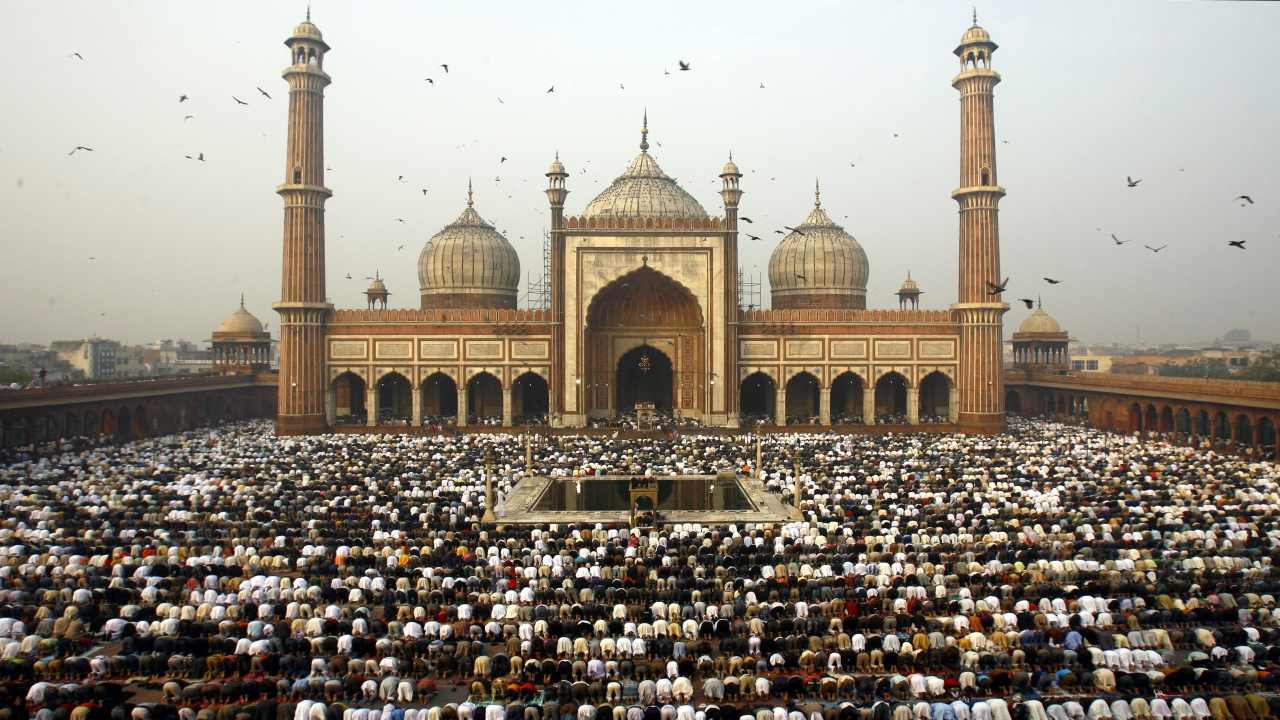
The arrival of Eid-ul-Fitr in 2026 marks a curious inflection point in how we communicate across the Muslim world and its vast diaspora. While the moon sighting still triggers a global wave of celebration, the way we express "Eid Mubarak" has undergone a mechanical transformation that threatens to strip the holiday of its core intent. We are currently drowning in a sea of low-effort, copy-pasted templates and AI-generated platitudes. To truly honor the occasion, one must look past the generic "95+ messages" lists and return to the specific, the personal, and the culturally resonant.
The essence of Eid-ul-Fitr is the "breaking of the fast," a reward for a month of discipline, introspection, and charity. It is an exercise in empathy. When we reduce our greetings to a mass-forwarded WhatsApp graphic or a listicle-sourced quote, we do the opposite of what Ramadan intended. We automate our affection.
True connection on Eid requires more than a tap on a screen. It demands a recognition of the recipient's specific journey through the month—their struggles, their growth, and their unique place in your life.
The Mechanics of a Meaningful Greeting
A standard greeting is a social obligation; a meaningful one is a gift. The difference lies in the level of friction involved in its creation. If it took you zero effort to send, it likely provides zero emotional value to the receiver.
In the veteran analyst's view, the most effective Eid messages in 2026 are those that bridge the gap between tradition and the current moment. We aren't just celebrating a religious milestone; we are navigating a world where physical distance is often bridged by digital echoes. To make those echoes count, you need to anchor your words in shared history.
For the Immediate Circle
When reaching out to family and those who witnessed your Ramadan journey, avoid the poetic flourishes of strangers.
- "May this Eid bring you peace" is a fine sentiment, but it is invisible.
- Instead, try: "I watched how hard you worked this month to keep our traditions alive while balancing everything else. I hope today gives you the rest and joy you’ve earned."
This shift from the abstract to the concrete is what separates a journalist’s eye from a bot’s algorithm. You are reporting on the reality of their life. You are validating their effort.
Why Generic Lists are Failing Our Social Fabric
The rise of the "mega-list" of 100+ greetings is a symptom of a larger cultural fatigue. We want to be seen as thoughtful without actually putting in the thought. When you pull a quote from a viral list, you aren't just being unoriginal; you are signaling that the recipient isn't worth thirty seconds of your original composition.
There is also a hidden cost to the "forwarded many times" tag on messaging apps. It acts as a digital scarlet letter. It tells the receiver they are part of a batch process. In a professional context, this can be particularly damaging. Sending a generic religious quote to a business associate can feel performative rather than sincere.
The Professional Pivot
If you are sending Eid greetings to colleagues or clients, the goal is respect and inclusion, not proselytization or empty fluff.
- Acknowledge the spirit of the season: Focus on the universal themes of renewal and community.
- Keep it brief: Professionals value time.
- The personal touch: If you know they traveled for the holiday, ask how the trip went.
A message like, "Wishing you and your family a restful Eid break. I look forward to catching up once you're back from the village," carries ten times the weight of a sparkly "Happy Eid" GIF.
Reclaiming Traditional Greetings Across Cultures
Eid-ul-Fitr is not a monolith. The phrases used in Jakarta differ wildly from those in Istanbul, Dakar, or London. The homogenization of greetings—driven largely by English-language SEO content—is erasing these beautiful linguistic nuances.
In Southeast Asia, the phrase "Mohon Maaf Zahir dan Batin" (I seek forgiveness from you, outwardly and inwardly) is central to the celebration. It turns the greeting into a radical act of reconciliation. It isn't just "Happy Eid"; it is "I am sorry for any way I hurt you this year."
In Turkey, "Ramazan Bayramınız Mübarek Olsun" carries a specific weight of national heritage. When we use these specific cultural markers, we show a level of literacy and respect that a translated English quote can never achieve.
The 2026 Contextual Reality
We are celebrating this year in a global climate that feels increasingly fragmented. Economic pressures, environmental concerns, and geopolitical shifts have made the "joy" of Eid feel harder to access for many.
Ignoring this reality in your greetings can make you seem out of touch. Acknowledging it makes you a partner in their experience. For friends or family members who have had a difficult year, the "Joyous Eid" template feels like an insult.
Addressing Grief and Hardship
How do you wish someone a Happy Eid when they are grieving?
"I know this Eid feels different without [Name]. I’m thinking of you and holding a space for both the celebration and the loss today."
This is the "hard-hitting" truth of human connection. It isn't always pretty. It isn't always a "Top 10" list. But it is the only way to remain authentic in a world of synthetic interactions.
The Art of the Handwritten Note
If you want to truly disrupt the digital noise of 2026, go analog. A physical card or a handwritten note sent via post—or even handed over during the Eid lunch—has become a luxury item. It is a physical artifact of your time.
The ink on the page represents a commitment that a pixel cannot replicate. You sat down. You thought of them. You moved a pen. In an era of instant gratification, this is the ultimate power move of friendship and familial love.
If you are stuck on what to write in that physical space, don't look for a quote. Write a memory.
- "Remember the Eid ten years ago when the rain ruined the grill? I’d take that day over a perfect sunny day with anyone else."
- "I’m so grateful we get another year to share this meal together."
Digital Etiquette and the "Mute" Button
There is an investigative angle to the "Happy Eid" spam that few talk about: the mental health toll. The barrage of notifications on Eid morning can be overwhelming.
- Don't add to the noise: Avoid large group chats where every person feels obligated to reply. This creates a notification loop that can ruin the morning for everyone involved.
- Send individual messages: If someone matters, they deserve their own thread.
- Time it right: Know the time zone of the person you are messaging. Don't wake them up at 3:00 AM with a ping just because you finished your morning prayers.
Beyond the Words: The Actionable Greeting
Finally, we must recognize that for many, the best greeting is an action. Ramadan emphasizes Zakat (charity). In 2026, a powerful way to greet someone is to inform them that a donation has been made in their honor.
"Eid Mubarak! This year, instead of a gift, I’ve contributed to [Organization] in your name to help those who couldn't celebrate today."
This aligns the message with the theological heart of the holiday. It moves the needle from "saying" to "doing."
The Disappearance of Sincerity
We are at risk of losing the "Fitr" in Eid-ul-Fitr—the natural, original state of being. By relying on curated lists of "95+ messages," we outsource our emotions to the highest bidder on a search engine results page.
The most "joyous" Eid isn't found in the most poetic quote or the most colorful graphic. It is found in the silence after a sincere apology, the warmth of a specific memory shared, and the quiet acknowledgment of another person's humanity.
Stop searching for the perfect message. Look at the person you are writing to, remember why they matter, and say that instead.
Pick up a pen or open a fresh, empty message box and tell one person why you are glad they are in your life today.