The surgical strike that killed Supreme Leader Ayatollah Ali Khamenei on Saturday morning was not a warning shot. It was an execution of a doctrine years in the making. By the time the first 72 hours of this conflict concluded on Monday, the Middle East had shifted on its axis, transitioning from a decades-long shadow war into a frontal, high-intensity conflagration that has already claimed over 600 lives and sent global energy markets into a tailspin.
This is no longer a regional skirmish about enrichment percentages or proxy influence. The joint U.S.-Israeli operation, dubbed "Epic Fury" by some Pentagon planners, is a deliberate attempt to dismantle the clerical architecture of the Islamic Republic of Iran. While the initial competitor reports focused on a simple timeline of strikes and counter-strikes, the reality is far more clinical. Washington and Jerusalem didn't just hit missile silos; they neutralized the brain of the Iranian state before its limbs could react.
The Saturday Morning Decapitation
The war began not with a formal declaration, but with a series of precision strikes on a leadership summit in downtown Tehran. The intelligence was terrifyingly accurate. Alongside the 86-year-old Khamenei, the chief of staff of the armed forces and the commander of the Islamic Revolutionary Guard Corps (IRGC) were eliminated in the opening salvo.
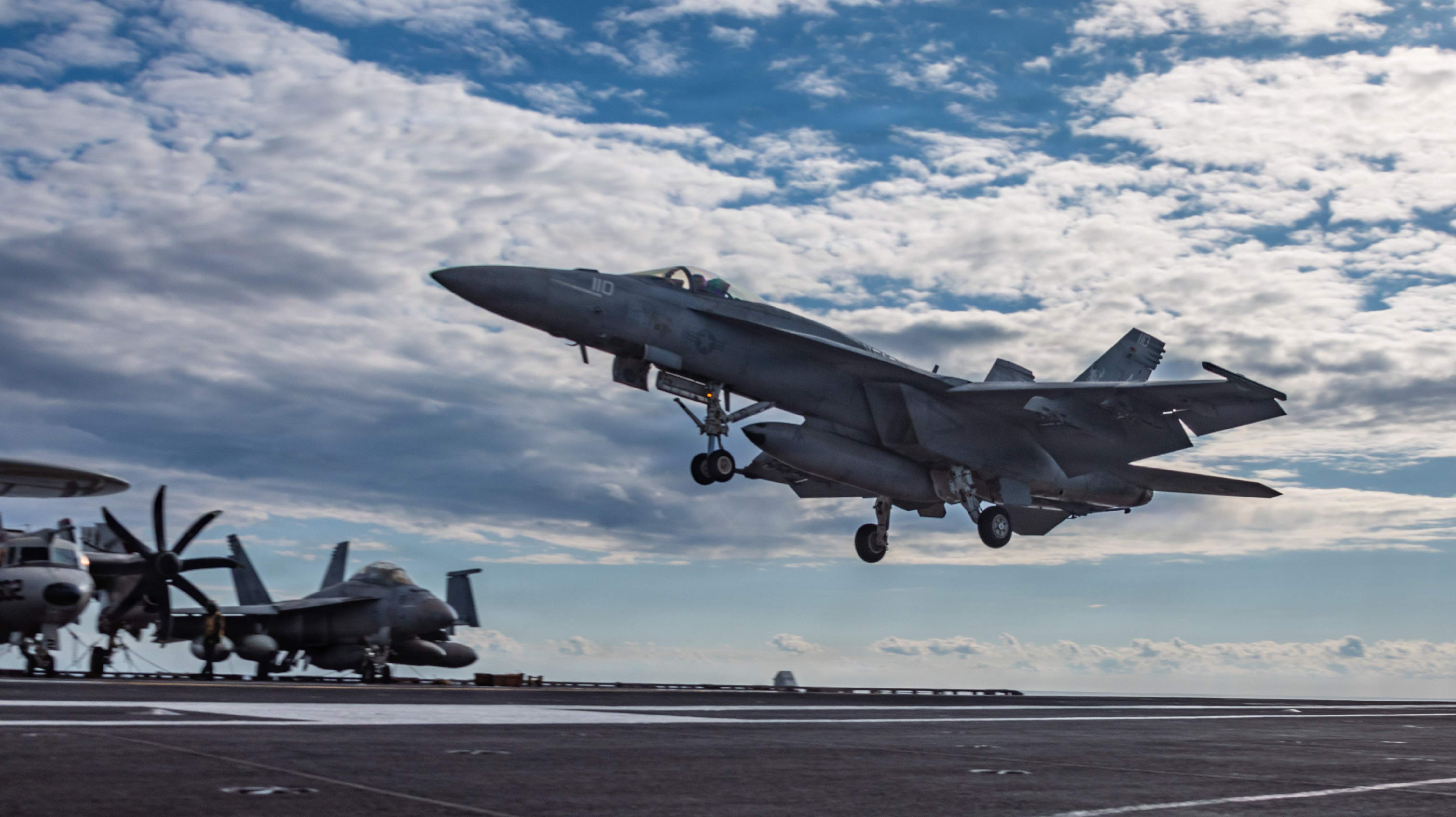
Israel utilized air-launched ballistic missiles while the U.S. Navy saturated Iranian air defenses with Tomahawks. The goal was total command-and-control paralysis. For the first six hours, the Iranian state was effectively mute. This silence allowed the coalition to establish immediate air supremacy, with over 200 Israeli fighter jets operating over Iranian territory with near-total impunity.
While the West touted the surgical nature of the strikes, the Iranian Red Crescent reports a grimmer reality. At least 555 people were killed in Iran within the first 48 hours, including collateral deaths in residential areas near intelligence hubs. In the city of Minab, Iranian officials claimed a strike hit an elementary school, killing scores of children—a claim the U.S. has neither confirmed nor denied, but one that has already become a rallying cry for the remnants of the IRGC.
The Retaliation Curve
Iran’s response, when it finally came, was desperate and distributed. Lacking a central command, local IRGC commanders appear to have defaulted to pre-authorized "fire at will" orders. This explains the scattershot nature of the counter-attacks.
- The Gulf under fire: Iran launched over 300 drones and missiles not just at Israel, but at the very neighbors who host U.S. forces. Bahrain, Kuwait, Qatar, and the UAE all saw incoming fire.
- Energy as a weapon: The Ras Tanura refinery in Saudi Arabia was targeted by drones, and QatarEnergy took the unprecedented step of halting liquefied natural gas (LNG) production.
- The Chokepoint: The Strait of Hormuz is effectively a dead zone. With nine Iranian warships reportedly sunk and the IRGC Navy headquarters in shambles, Tehran can no longer "close" the strait in a traditional sense, but the threat of mines and suicide boats has stopped commercial traffic.
In a chaotic "friendly fire" incident on Monday, Kuwaiti defenses mistakenly downed three American F-15E Strike Eagles during an Iranian saturation attack. While the pilots survived, the incident highlights the extreme friction of a multi-national theater where everyone is shooting at everything.
The Myth of the Clean Exit
President Donald Trump has suggested the campaign might last four to five weeks. That is a salesman’s timeline, not a general’s. Historically, decapitation strikes against ideological regimes do not lead to immediate surrender; they lead to fragmentation.
We are currently seeing the emergence of a "Triumvirate" or leadership council in Tehran, potentially coalescing around figures like Ali Larijani. However, Larijani has already publicly rejected any talk of negotiations. The U.S. gamble is that the Iranian people, emboldened by the death of the Supreme Leader and fueled by the protests of early 2026, will rise up and finish the job.
This is a high-stakes bet on social collapse. While scattered celebrations have been reported in Tehran’s wealthier northern districts, the Basij paramilitary forces remain active and are reportedly setting up checkpoints to crush any domestic dissent. If the regime doesn't collapse from within, the U.S. and Israel face a choice: stop the bombing and leave a wounded, vengeful power in place, or escalate to a ground presence that no one in Washington has the appetite for.
The Global Cost of 72 Hours
The economic fallout is not a "risk"—it is the current reality. Oil prices spiked 8% on Sunday alone. European natural gas prices surged 40% following the Qatar shutdown. The world’s three largest air hubs—Dubai, Abu Dhabi, and Doha—are virtually paralyzed.
This conflict has also reactivated dormant fronts. Hezbollah, after a year of relative quiet, launched major strikes on northern Israel on Monday. Israel responded with a "non-stop air train" into Lebanon, killing over 30 people in a single afternoon. The war is no longer contained within Iran’s borders.
The old Middle East, defined by the 2015 nuclear deal and the containment of Iranian proxies, is dead. What replaces it depends on whether the IRGC's "forward defense" network collapses along with its leadership, or if they decide that a scorched-earth policy is their only remaining path to survival.
Would you like me to analyze the specific shifts in the global oil market and which OPEC+ nations are likely to benefit from the current production void?