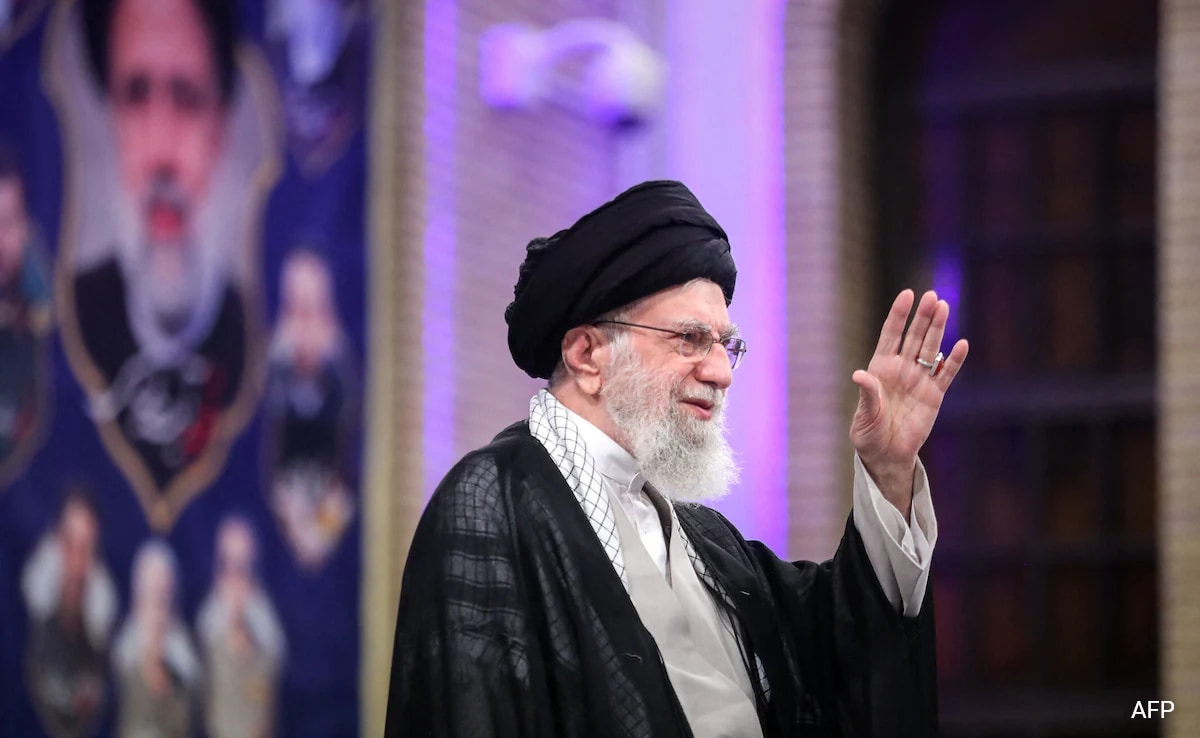
The internal collapse of the Iranian leadership reached a somber, symbolic milestone today. Mansoureh Khojasteh Bagherzadeh, the widow of the late Supreme Leader Ayatollah Ali Khamenei, has died. She didn't pass away from natural causes or the quiet retreat of old age. Instead, she succumbed to injuries sustained during the massive joint US-Israel airstrikes that leveled the Leadership Residence and killed her husband just two days ago.
Iranian state media, including the Jamaran News Agency and Tasnim, confirmed she died on Monday, March 2, 2026. She had been in a coma since the Saturday morning strikes. At 79, her death marks the final shuttering of a private life that stood in stark contrast to the loud, often violent geopolitics of her husband’s 36-year reign.
The strikes that changed everything
The military operation that took out the upper echelons of the Iranian regime was unprecedented in its scale and precision. While the world was still processing the news of Ali Khamenei's death on February 28, the status of his family remained a chaotic mix of rumors and half-confirmed reports. We now know that the strikes weren't just about "decapitating" the political leadership; they effectively wiped out the inner circle of the Khamenei household.
Reports from Fars News and other IRGC-affiliated outlets have been grim. It wasn't just the Supreme Leader and his wife. The casualties include:
- Their daughter and son-in-law.
- A grandchild.
- Zahra Haddad Adel, the wife of Mojtaba Khamenei.
This wasn't some stray missile. The compound was hit by dozens of long-range munitions. While US Defense Secretary Pete Hegseth described the campaign as the "most precise aerial operation in history," the reality on the ground in Tehran is one of total structural and familial ruin for the former ruling elite.
Who was the woman behind the Supreme Leader?
Most people outside of Iran—and even many within it—know very little about Mansoureh Khojasteh Bagherzadeh. That was by design. Married to Khamenei in 1964, she spent over six decades in his shadow. She wasn't a political figure like the wives of some Western leaders, nor was she a visible advocate for the regime’s social policies.
She came from a wealthy religious family in Mashhad. Her brother, Hassan Khojasteh Bagherzadeh, was a big player in state broadcasting, but Mansoureh herself stayed out of the lime-light. She focused on her six children and her religious duties. In a regime that demanded total public loyalty, she was a ghost.
Her death is "martyrdom" in the eyes of state media, a final propaganda tool for a government currently struggling to maintain any semblance of control. But for the Iranian people, the reaction is fractured. While some are mourning in the streets of Tehran, social media is flooded with videos of others toppling statues of Khomeini and celebrating the end of the dynasty.
A power vacuum with no easy answers
With the Supreme Leader dead and his most likely successor, Mojtaba Khamenei, facing personal tragedy and an uncertain future, Iran is a rudderless ship. The US and Israel claim they want regime change. President Trump has been vocal on Truth Social, telling Iranians this is their "greatest chance" to take back their country.
But it’s not that simple. You don’t just remove a 40-year-old theocratic structure and expect a smooth transition. The IRGC is still active, even if its top brass, like Mohammad Pakpour, were reportedly killed in the same wave of strikes. The retaliatory strikes on US bases in the Gulf and the threats to close the Strait of Hormuz show that the "dying" regime still has teeth.
The death of Bagherzadeh is the period at the end of a very long, very dark sentence. She was the last link to the private life of a man who shaped the Middle East through proxy wars and nuclear brinkmanship.
What happens next on the ground
If you're looking for stability, don't look toward Tehran right now. The country is under a 40-day period of national mourning, but it's also under a state of de facto martial law. The protests that have been simmering since late 2025 are boiling over.
Here is what you need to watch for in the coming days:
- Succession battles: With the direct bloodline decimated or in hiding, the Assembly of Experts is in a bind. There is no clear "chosen one" left standing.
- Regional fallout: Iran's "Axis of Resistance" is headless. Hezbollah and the Houthis are watching their benefactor crumble in real-time.
- Economic shockwaves: With the Strait of Hormuz at risk, oil prices are going to be erratic. If you have interests in global markets, keep a very close eye on shipping insurance rates in the Persian Gulf.
The era of the Khamenei family is over. It didn't end with a peaceful transition or a slow fade into history. It ended with a Saturday morning bombardment that took the regime's architect, his family, and finally, his wife.
The next few weeks will determine if Iran becomes a new democracy or a failed state. The international community is calling for dialogue, but with the leadership residence in ruins, there’s nobody left to pick up the phone. If you're following this, stop looking for "official statements" from Tehran—they're mostly for show now. Watch the streets and the borders instead.