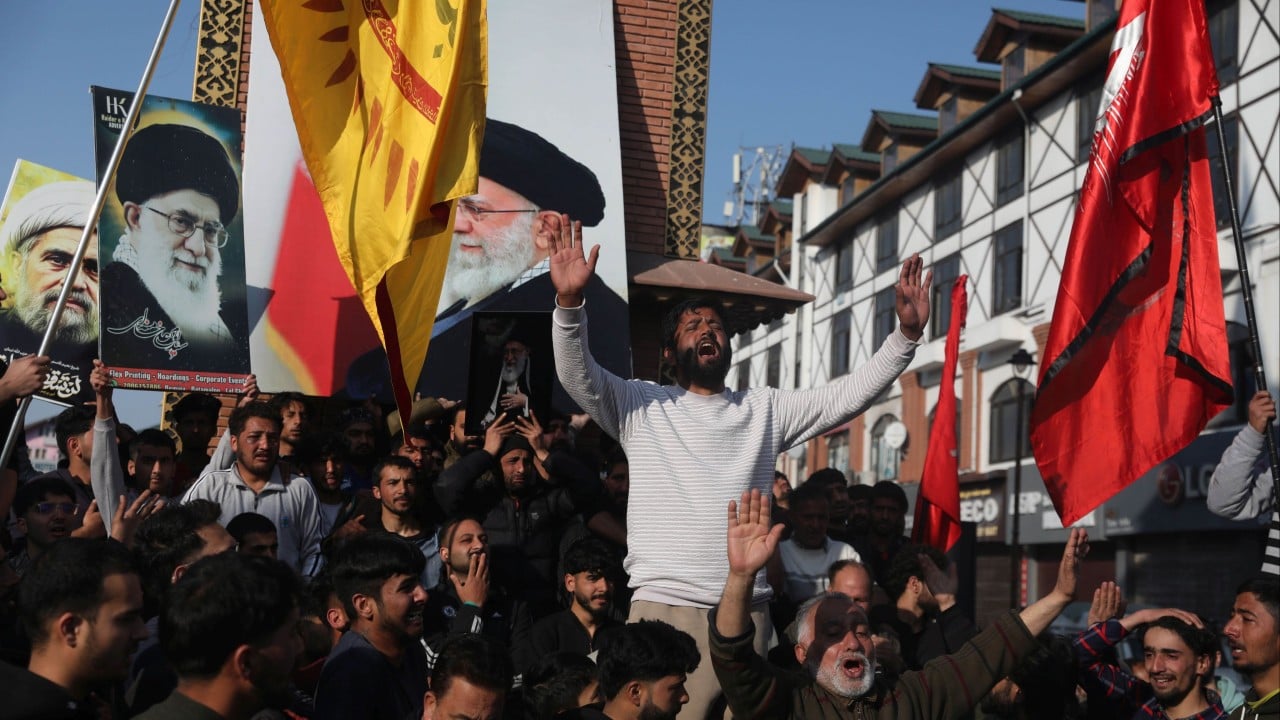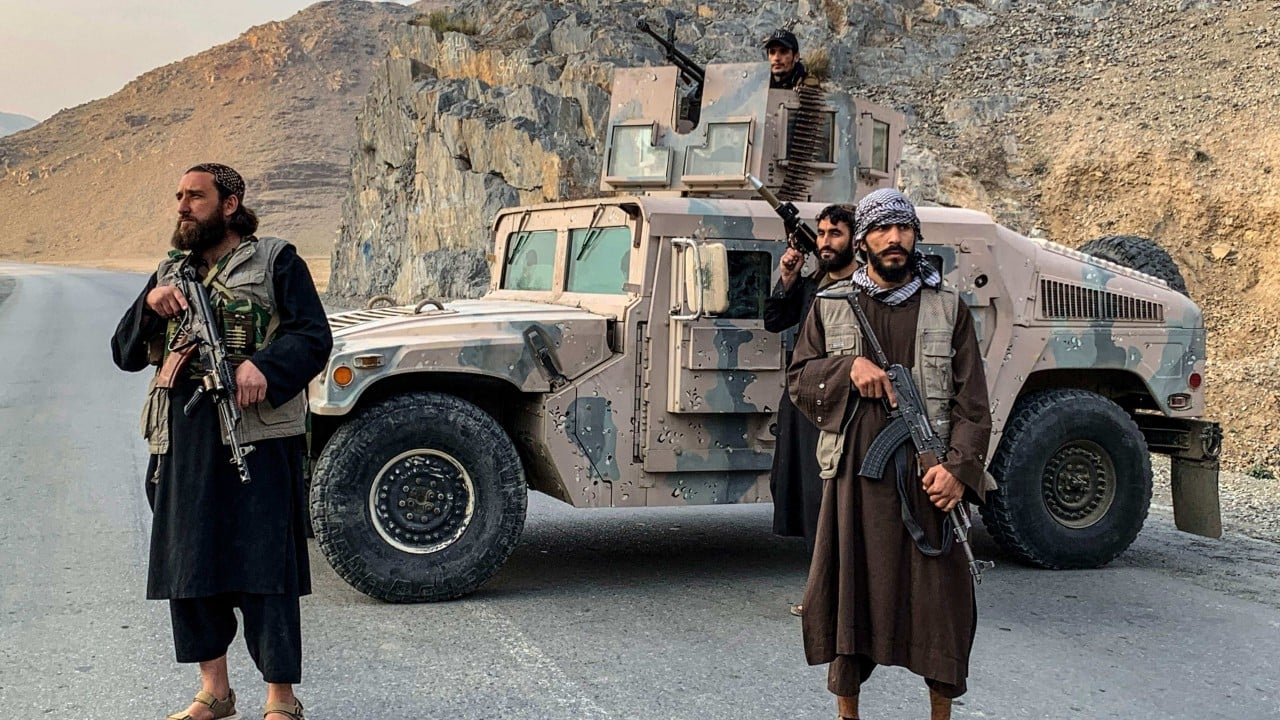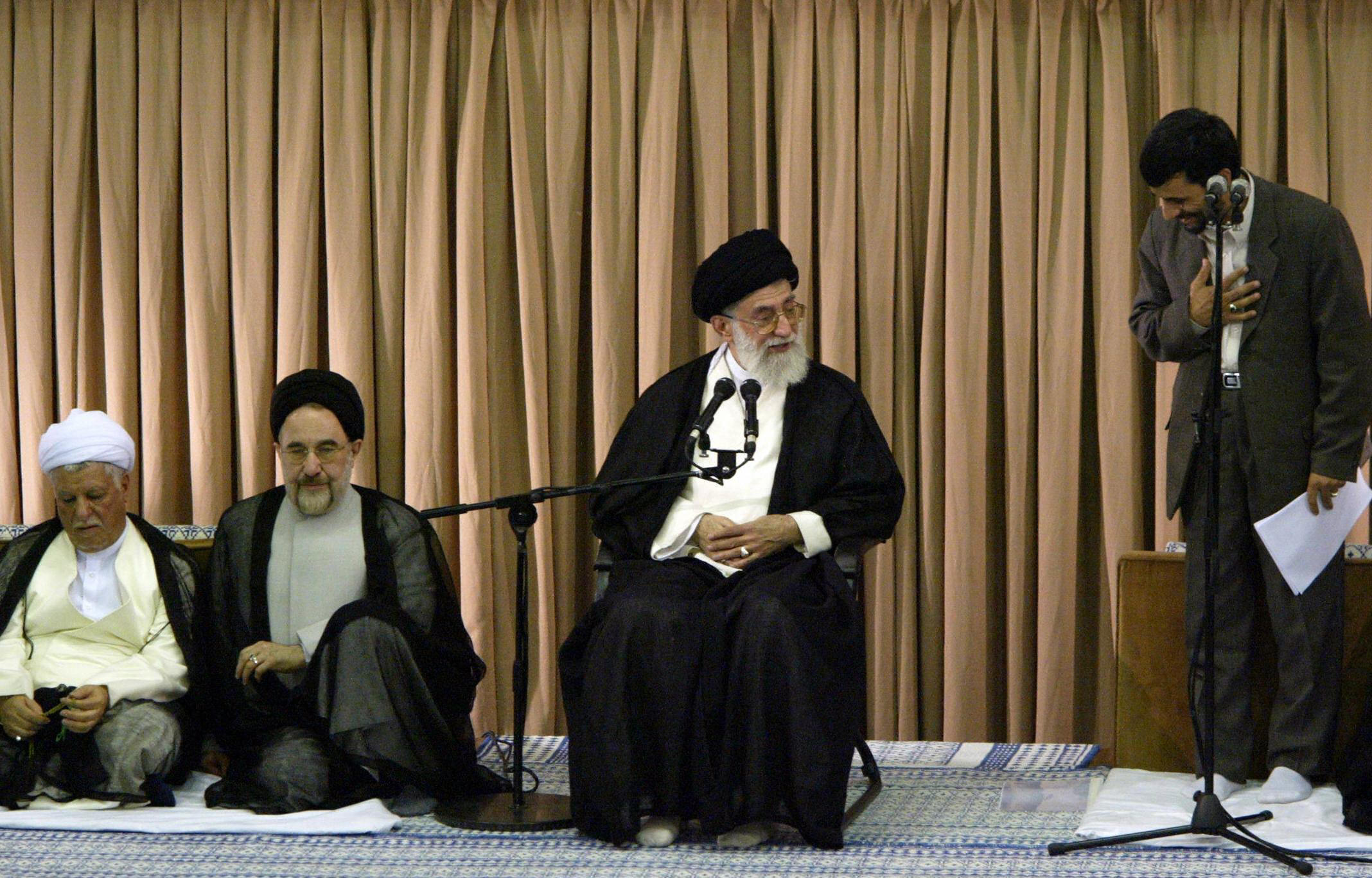
The Western media is currently intoxicated by the scent of "regime change." With the news of Ayatollah Ali Khamenei’s death in an Israeli strike, the pundits are dusting off their 1979 history books, predicting a domino effect that ends with a secular democracy and a Starbucks in Isfahan. They are wrong. They are fundamentally, mathematically, and strategically wrong.
While the headlines scream about the end of a "36-year iron rule," they are missing the reality of the Deep State 2.0. The Islamic Republic is no longer a fragile theocracy held together by the charisma of one elderly man. It is a hardened, modular military-industrial complex that has spent three decades preparing for this exact Tuesday. For a closer look into similar topics, we recommend: this related article.
If you think the removal of the figurehead causes the ship to sink, you don't understand how the ship was built.
The Myth of the Fragile Theocracy
The "lazy consensus" suggests that Iran is a top-down monolith. In this fairy tale, Khamenei pulls every lever, and without him, the levers stop moving. For broader context on this development, in-depth reporting can also be found at The Washington Post.
I have spent years analyzing the flow of "gray market" capital and the procurement chains of the IRGC (Islamic Revolutionary Guard Corps). What I’ve seen isn't a church; it’s a venture capital firm with an army. The IRGC controls between 30% and 50% of Iran’s GDP. They own the ports. They own the telecommunications. They own the construction companies.
When a CEO dies, the board of directors doesn't burn the building down. They protect their assets.
The Assembly of Experts—the body tasked with choosing the next Supreme Leader—is not a group of holy men seeking divine inspiration. They are a political committee focused on one thing: Institutional Continuity. They will not pick a reformer. They will pick a placeholder or a hardliner who ensures the IRGC’s bank accounts remain frozen to the outside world but liquid on the inside.
Why the "Protest" Narrative is a Fantasy
The People Also Ask: "Will the Iranian people rise up now?"
It’s a seductive question. We saw the bravery of the "Woman, Life, Freedom" movement. We saw the sparks. But strikes on high-level targets in Tehran do not embolden a populace; they often trigger a "Rally 'Round the Flag" effect or, more likely, a brutal, preemptive security lockdown that makes previous crackdowns look like a rehearsal.
The IRGC’s Basij militia consists of millions of personnel embedded in every neighborhood. Their job is not to fight Israel; it’s to fight Iranians. To believe that a vacuum at the top leads to a revolution at the bottom is to ignore the physical reality of the internal security apparatus.
In business terms, this isn't a bankruptcy; it's a hostile takeover where the existing management already owns all the doors and the security codes.
The Israel-Iran Shadow War Just Went Hot-Cold
The strike on Khamenei is a tactical masterpiece and a strategic gamble that might actually stabilize the hardliners.
By killing the Supreme Leader, Israel has provided the Iranian regime with the ultimate gift: A Martyrdom Narrative. For thirty years, the regime has struggled to justify its economic failures and its "Resistance" ideology to a cynical youth. Now, they have a literal smoking gun.
Instead of a slow, internal decay caused by age and irrelevance, the regime now has a "Zionist Aggression" to point to. Expect the following shifts in the immediate term:
- Nuclear Acceleration: The "Fatwa" against nuclear weapons was a Khamenei-specific theological stance. With him gone, the military wing has every excuse to argue that "strategic ambiguity" failed and only a "nuclear deterrent" ensures survival.
- Proxy Decentralization: Groups like Hezbollah and the Houthis don't need a live feed from Tehran to operate. They operate on long-term ideological and financial momentum. If anything, a perceived "weakness" at the center encourages these groups to escalate to prove they aren't abandoned.
- The Rise of the "Securocrats": We are moving from a Theocracy to a Praetorian Guard state. The turban is being replaced by the uniform. This makes Iran more predictable in its aggression, but significantly less likely to negotiate.
Stop Looking for a "Gorbachev Moment"
Western analysts are obsessed with finding an Iranian Gorbachev. They want a reformer who will dismantle the system from within.
There is no Gorbachev in Tehran.
The system was redesigned after the 2009 Green Movement to specifically filter out anyone with a hint of reformist blood. The "moderates" were purged years ago. What remains is a generation of leaders who grew up during the Iran-Iraq War and the era of "Maximum Pressure" sanctions. They don't want to join the international community; they want to survive it.
If you are a global investor or a geopolitical strategist, stop betting on "collapse." Start betting on Consolidation.
The Economic Aftermath: The "Sanctions-Proof" Pivot
The competitor's article likely mentions how this death will weaken Iran's economy. I’ve seen this movie before. Iran has spent the last decade building a "Resistance Economy" that thrives on the black market and bilateral trade with China and Russia.
The death of a leader doesn't stop the oil flowing through "ghost fleets" in the South China Sea. If anything, Russia and China will now move faster to integrate Iran into the BRICS+ framework to ensure that a key energy partner doesn't slide into chaos.
The Brutal Reality of Successions
History shows us that succession in revolutionary states rarely leads to the "freedom" Westerners crave. Look at North Korea. Look at Cuba. Look at the Soviet Union after Stalin.
Succession usually leads to a Paranoia Period.
During this time, the regime is at its most dangerous. They will execute "spies," shut down the internet entirely, and likely launch a symbolic, high-visibility kinetic response against a soft target to prove they are still "strong."
To those asking "Is this the beginning of the end?", the answer is a cold, hard no. This is the end of the beginning. We have moved from the era of the "Founding Clerics" to the era of the "Military Industrialists."
The face on the posters will change. The hand on the trigger will stay exactly the same.
Stop waiting for the "fall" of Iran. Start preparing for an Iran that has nothing left to lose and a military that finally has full control of the checkbook. The iron rule hasn't ended; it just got a new coat of paint and a lot more ammunition.
Get used to the new management. They are younger, meaner, and they don't care about your "regime change" theories.