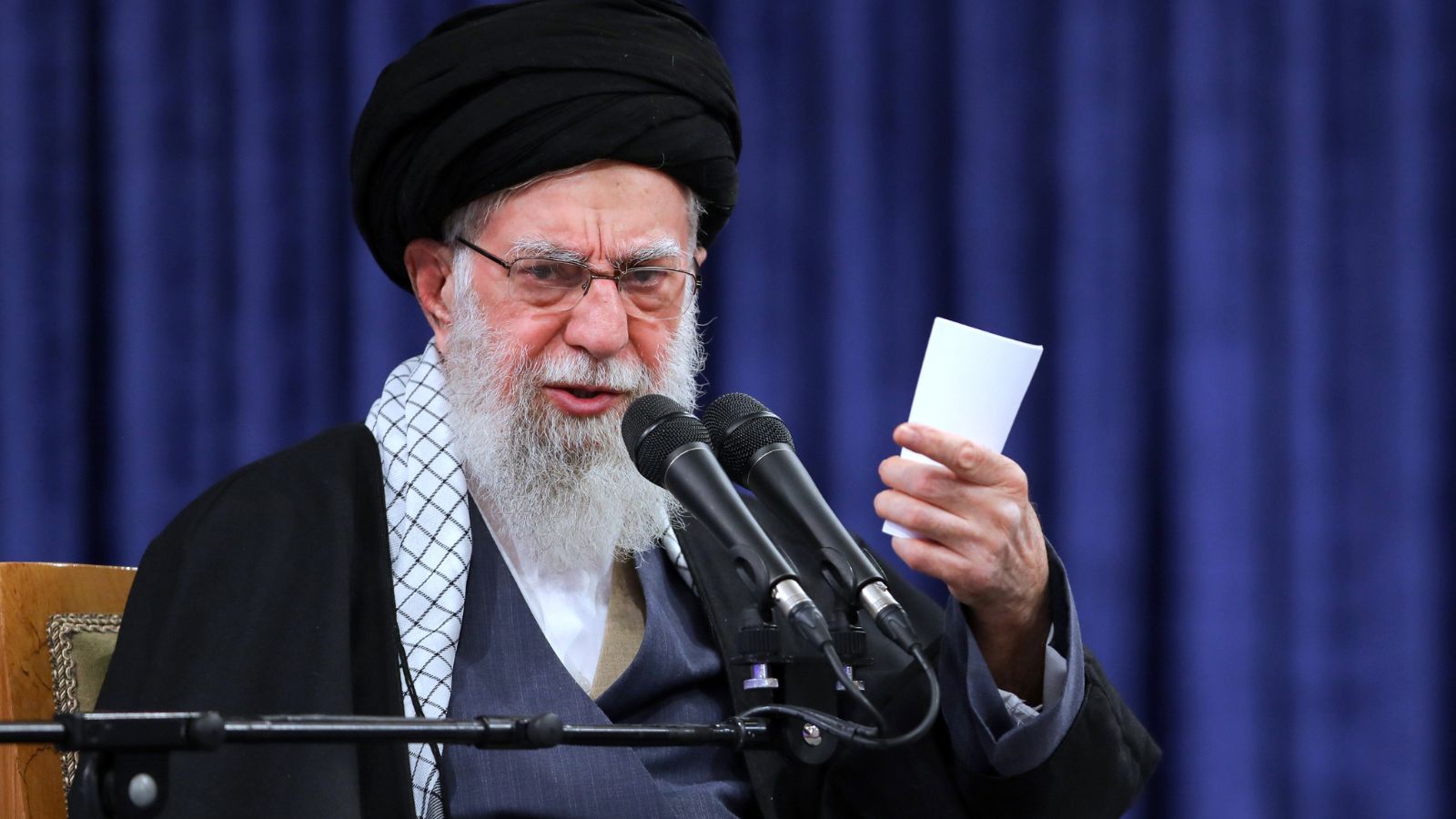
The Middle East just hit a point of no return. If you woke up today thinking the regional shadow war was still a series of tactical jabs and proxy skirmishes, you missed the tectonic shift that happened while the world was watching the news tickers. Ayatollah Ali Khamenei is dead. For thirty-five years, he was the final word on everything from nuclear enrichment to the price of bread in Tehran. Now, he’s gone, killed in a joint U.S.-Israeli operation that essentially decapitated the Islamic Republic’s leadership in a single afternoon.
This wasn't just a "strike." It was a systematic dismantling. While initial reports were vague about whether the Supreme Leader was actually hit, the reality on the ground in Tehran is now undeniable. Iranian state media has moved past the stage of "claims" and into the grim reality of a 40-day mourning period. We’re looking at a region where the old rules have been shredded, and the "Operation Epic Fury" launched by the U.S. and Israel’s "Lion’s Roar" have moved the goalposts into a stadium nobody's played in before.
The Strike That Cleared the Board
On February 28, 2026, intelligence from the CIA—tracked for months—converged with Israeli tactical precision. They didn't just hit a building; they hit a meeting. Khamenei was at his office in downtown Tehran, reportedly working alongside a "who’s who" of the Iranian security establishment. The resulting explosions didn't just kill the 86-year-old cleric. They wiped out his inner circle, including IRGC Commander-in-Chief Mohammad Pakpour and security heavyweight Ali Shamkhani.
Think about the sheer scale of that loss. In one shot, Iran lost its spiritual guide, its top military strategist, and its most experienced nuclear negotiator. This is the equivalent of a country losing its President, its entire Joint Chiefs of Staff, and its lead diplomat in the span of a few seconds.
The human cost is also surfacing, and it’s messy. Khamenei’s daughter, son-in-law, and even his grandchild were reportedly killed in the compound. For the Iranian public, the reaction has been a jarring mix of state-mandated grief and sporadic, quiet celebrations in the streets of Isfahan and Karaj. People are basically holding their breath, waiting to see if the regime collapses or doubles down on the chaos.
Why the Succession Crisis is the Real Story
Everyone is focused on the missiles, but you should be looking at the empty chairs in Tehran. Iran’s constitution says that when a Supreme Leader dies, a temporary council takes over. Right now, that’s President Masoud Pezeshkian, the head of the judiciary, and Alireza Arafi from the Guardian Council.
But here’s the problem: Iran has only done this once before, back in 1989. And back then, they had a clear, albeit controversial, path. Today, the IRGC is far more powerful than it was thirty years ago. They aren't going to just sit back and let a group of clerics pick a new guy without having their say.
- The Power Vacuum: Without Khamenei to balance the different factions, the IRGC might decide that a "Supreme Leader" is an outdated concept and move toward a more overt military junta.
- The Candidates: Names like Alireza Arafi and Gholam Hossein Mohseni Ejei are being tossed around, but they don't have the "revolutionary street cred" Khamenei spent decades building.
- The Discord: We’re already seeing reports of Basij forces setting up checkpoints to prevent an internal uprising. If the leadership can't agree on a successor within the next 48 hours, the internal friction could turn into an all-out civil power struggle.
Retaliation and the Shift to Total War
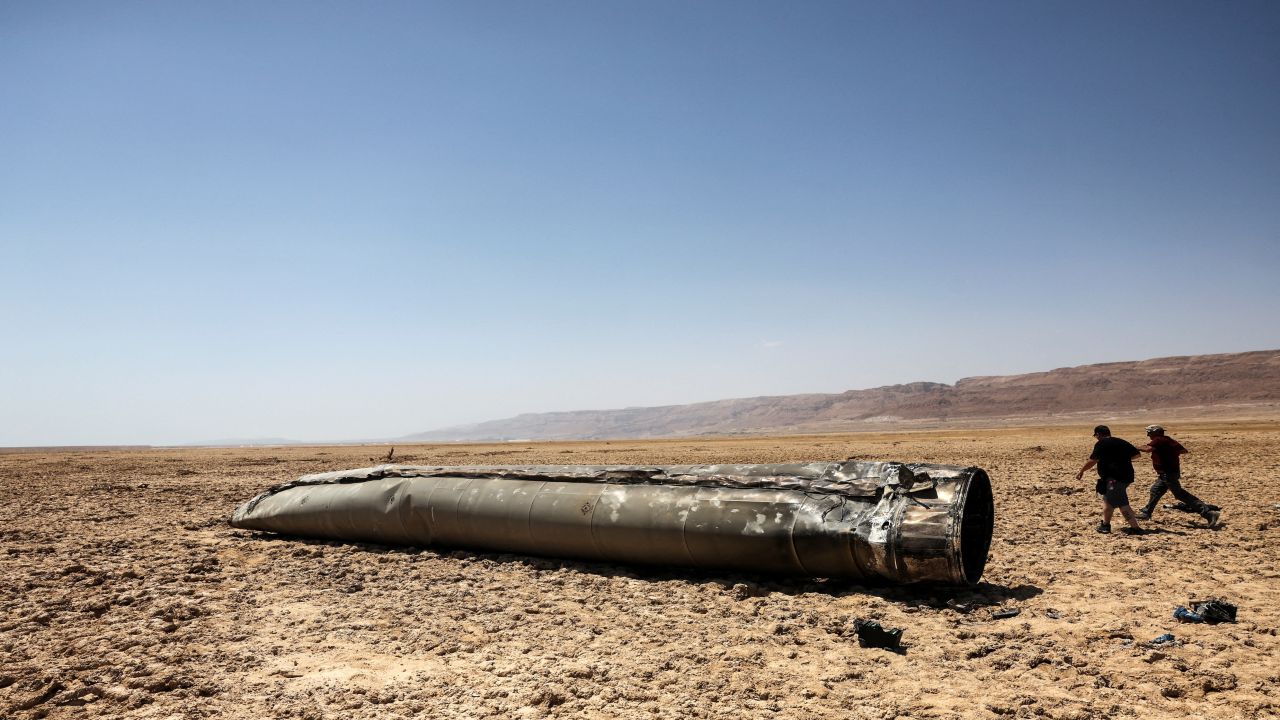
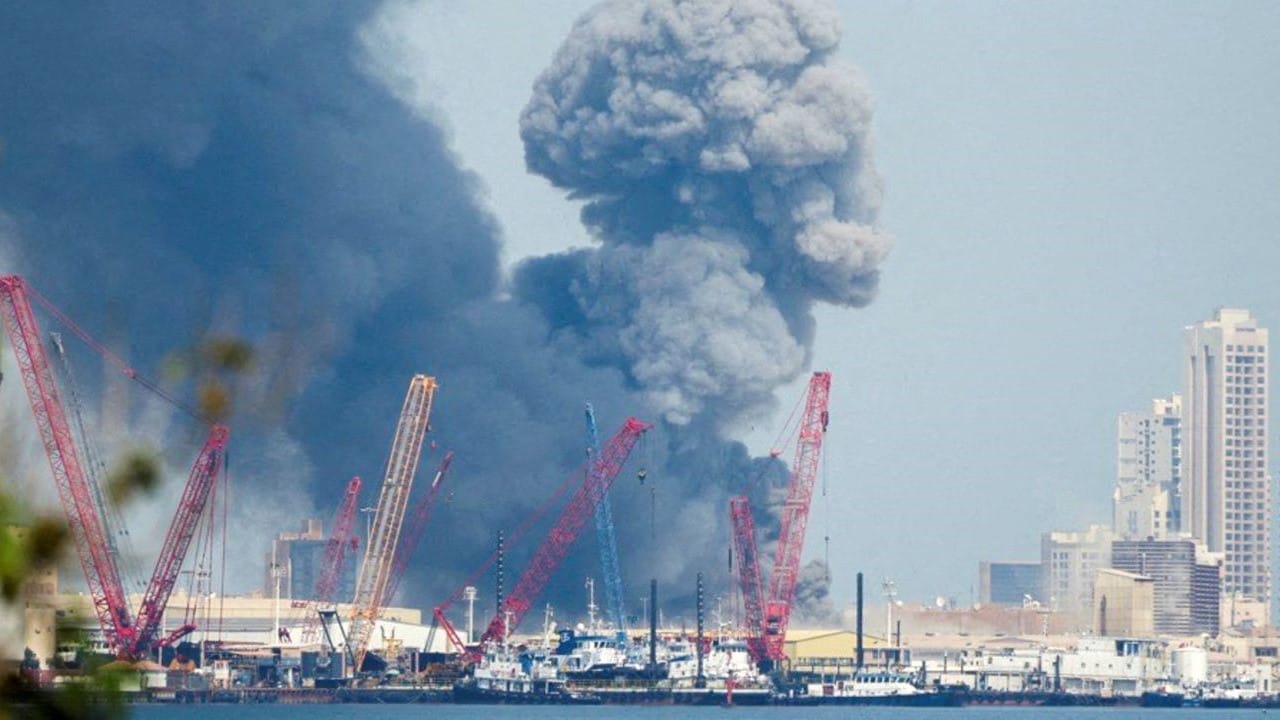
Iran didn't wait for the funerals to start shooting back. We’ve seen six waves of missile and drone attacks targeting everything from Israeli cities like Beit Shemesh—where at least nine people were killed—to U.S. bases across the Gulf.
The strategy from Tehran is clear: if we’re going down, we’re taking the global economy with us. They’ve already shuttered flight hubs in Dubai and Doha. The Strait of Hormuz is basically a no-go zone right now. If that closure sticks, you’re going to feel it at the gas pump by Tuesday.
What’s different this time is the American involvement. President Trump has been vocal on social media, claiming the operation is "ahead of schedule" and aimed at ensuring Iran never gets a nuclear weapon. But that "ahead of schedule" came with a price: the Pentagon confirmed three U.S. service members were killed in the initial retaliatory strikes. That changes the political math in Washington. It’s no longer just about supporting an ally; it’s an American war now.
What Most People Get Wrong About the IRGC
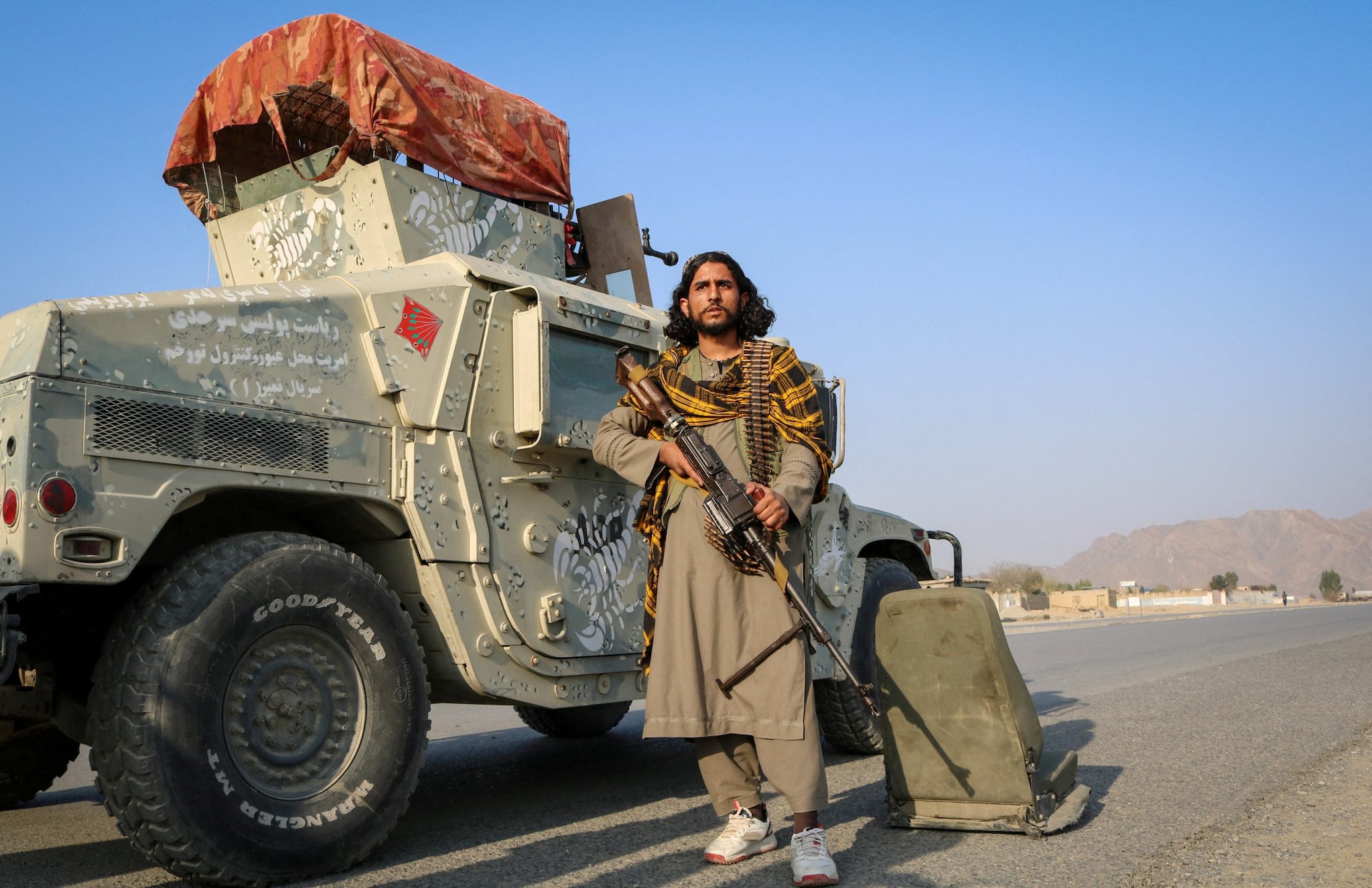
Don't assume that because the top guy is dead, the IRGC is finished. These guys are an "entrenched state within a state." They control the ports, the black market, and the missile batteries. While the U.S. says they’ve sunk the frigate Jamaran and hammered command centers, the IRGC is designed to operate in a decentralized way.
They don't need a formal order from a Supreme Leader to launch a hundred drones at a carrier strike group. In fact, without Khamenei’s occasionally pragmatic (or at least calculated) restraint, the IRGC leadership might be even more prone to "suicidal" escalations. They’re cornered. And a cornered IRGC is significantly more dangerous than one that thinks it has something to lose.
The Immediate Reality on the Ground
If you have family or business interests in the region, the next 72 hours are critical. This isn't a situation that's going to "simmer down" over the weekend.
- Airspace is a mess: Don't even try to book a flight through the Middle East. Most major carriers have diverted or cancelled everything passing through the Gulf.
- Cyber Attacks: Expect a surge in state-sponsored hacking. If Iran can't win in the air, they’ll try to hit infrastructure in the West.
- Diplomatic Silence: China has called the strikes "brazen," but nobody is stepping in to mediate yet. The U.N. Security Council is meeting, but they’re basically just shouting into the void at this point.
Keep your eyes on the Assembly of Experts in Tehran. If they announce a successor quickly, the regime might survive in some form. If they don't, we’re looking at the fastest collapse of a major power since the Soviet Union, only with a lot more fire and a lot more missiles.
Stay updated on the official travel advisories if you're anywhere near the Gulf. The situation is moving faster than the news can print it. Monitor the closing of the Strait of Hormuz specifically; that's the "kill switch" for global oil stability. Check your local embassy's emergency alerts if you're an expat in the region.