The religious barrier preventing Iran from building a nuclear weapon has effectively died with its author. For two decades, Western diplomats clung to a 2003 fatwa issued by Supreme Leader Ali Khamenei as a strategic anchor, a theological insurance policy that supposedly forbade the production of atomic arms. But with Khamenei’s death following the outbreak of war on February 28, 2026, and the subsequent ascension of his son, Mojtaba Khamenei, that insurance policy has been shredded. Tehran’s hardliners are no longer whispering about the bomb in the shadows of the Supreme National Security Council; they are demanding it on state television.
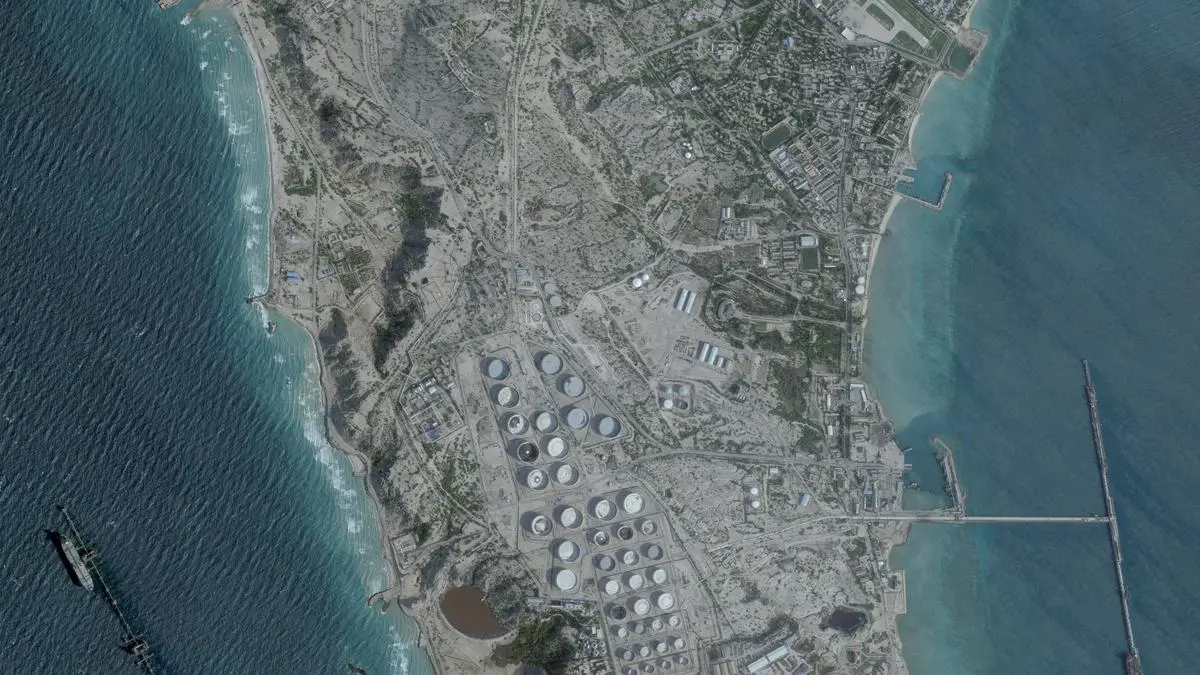
The shift is not merely rhetorical. It is a fundamental collapse of the "threshold" strategy that defined Iranian foreign policy for a generation. For years, Tehran was content to stay weeks away from a usable weapon, using that proximity as a lever to extract sanctions relief. That era is over. The current conflict, characterized by joint U.S.-Israeli strikes on enrichment facilities at Natanz and Fordow, has convinced the Islamic Revolutionary Guard Corps (IRGC) that "latency" provides no protection. If you are going to be bombed for having the capability, their logic goes, you might as well have the weapon.
The Jurisprudential Void
In Shia Islam, a fatwa is often tied to the life of the cleric who issues it. While followers can technically continue to observe the rulings of a deceased "Source of Emulation," a new leader is under no obligation to reaffirm them. Mojtaba Khamenei’s first addresses to the nation have been notable for what they lacked: any mention of his father’s nuclear prohibition. By remaining silent, the new Supreme Leader has granted the IRGC the theological breathing room it needs to pivot.
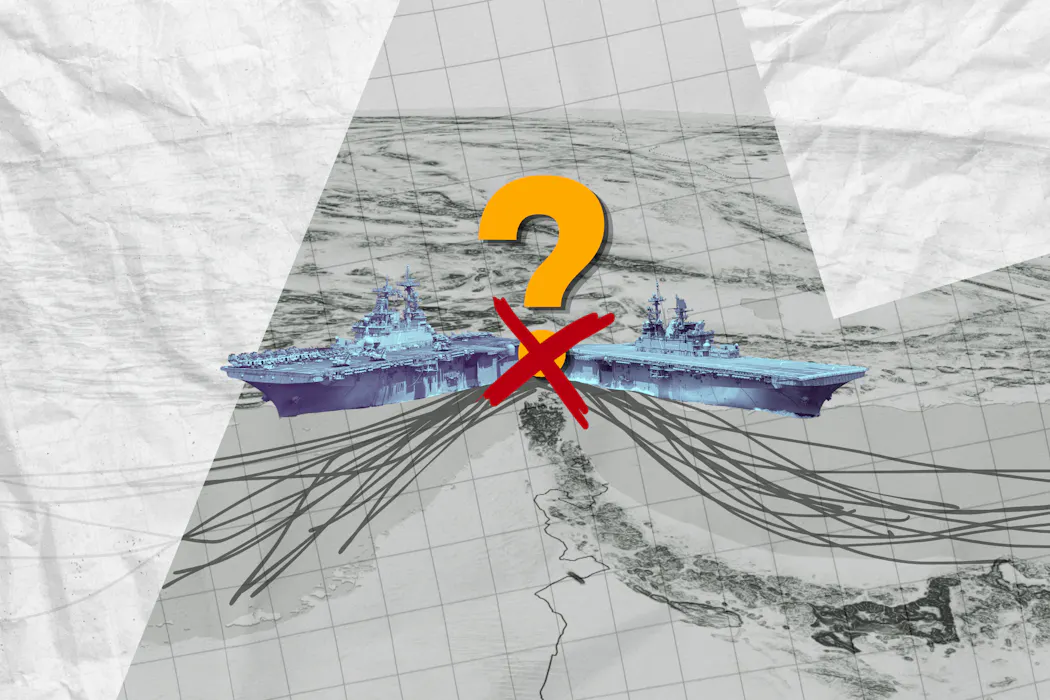
This isn't a theoretical debate. Sources within the Iranian establishment suggest that the "nuclear doctrine" is being rewritten in real-time. Kamal Kharrazi, a senior advisor who once served as a bridge to the West, has spent the last year signaling that any existential threat would trigger a reversal of the country’s stated peaceful intent. With U.S. Marines reportedly positioned for potential ground operations and the Iranian economy buckling under the "snapback" of UN sanctions, the "existential threat" threshold has been crossed.
The IRGC is now the dominant force in this vacuum. The killing of more pragmatic figures, including former security chief Ali Larijani, has removed the last internal brakes on the program. The men running the country now are not interested in the nuances of the 2015 nuclear deal; they are interested in the survival of the regime at any cost.
Breakout in the Age of Attrition
The technical reality on the ground is grimmer than the diplomacy suggests. Before the latest round of strikes, the International Atomic Energy Agency (IAEA) estimated Iran could produce enough weapons-grade uranium for five to eight fission devices in less than two weeks. While the March 2026 strikes by U.S. and Israeli forces caused significant "setbacks," history shows that Iranian engineers are masters of redundancy.
Military strikes are a temporary fix for a permanent problem. Hardliners in Tehran are already pushing to move remaining centrifuge cascades deeper into the mountains, specifically targeting sites that even the most advanced "bunker-buster" munitions struggle to reach. They are also eyeing a "cruder" gun-type device—a weapon that doesn't require the sophisticated miniaturization needed for a missile warhead but could be detonated to prove capability.
- The Enrichment Stockpile: As of early 2026, Iran held hundreds of kilograms of uranium enriched to 60 percent. Jumping from 60 to 90 percent (weapons grade) is a matter of days, not months.
- The NPT Exit: There is a growing chorus in the Iranian Parliament to formally withdraw from the Nuclear Non-Proliferation Treaty (NPT). This would expel the remaining IAEA inspectors, effectively turning the lights out on the world's ability to monitor the program.
- The Missile Range: Along with the nuclear push, the IRGC is moving to scrap the self-imposed 2,000-kilometer limit on its ballistic missiles, aiming to bring European capitals into range as a secondary layer of deterrence.
The Failed Diplomacy of Pressure
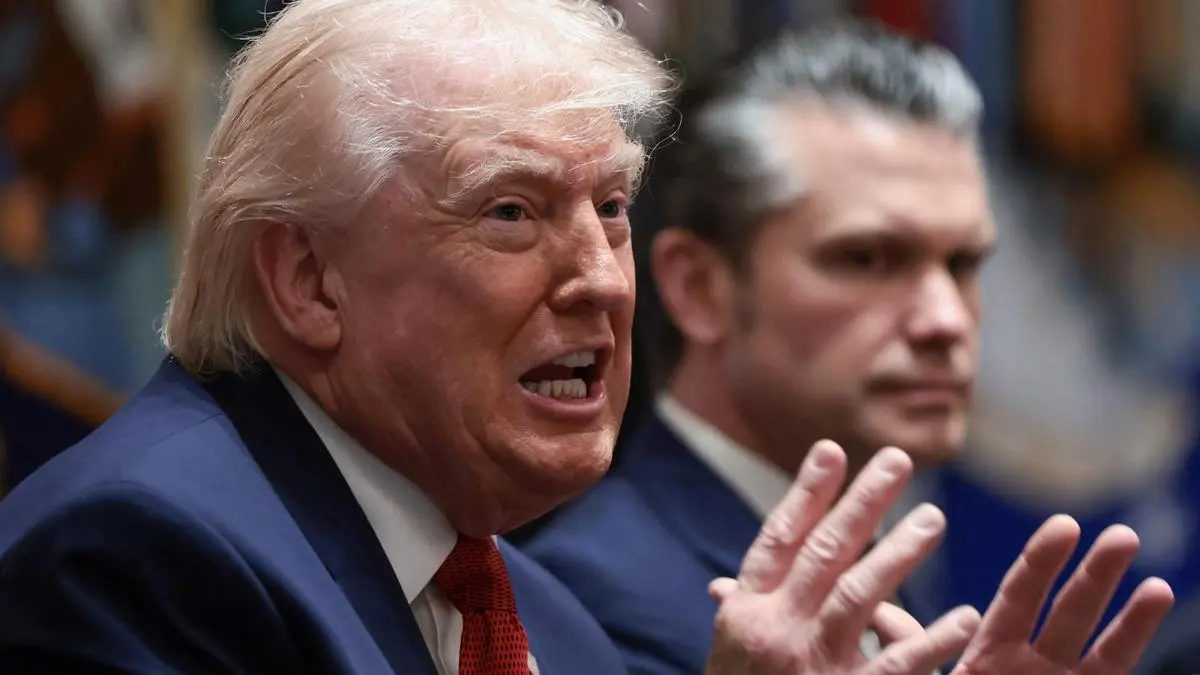
The White House’s current strategy—a mix of massive military buildup and 10-day "pauses" for negotiations—is being read in Tehran as a stalling tactic. When President Trump claims the war is "proceeding very, very strongly," the Iranian leadership doesn't see an opening for a deal; they see a roadmap for their own liquidation.
The tragedy of the current moment is that the "maximum pressure" of 2025 and 2026 has produced the exact opposite of its intended goal. Instead of forcing a total dismantling of the nuclear program, it has empowered the very faction that views the bomb as the only way to prevent Iran from becoming the next Iraq or Libya. To the IRGC, the lesson of the last twenty years is clear: the U.S. invades countries that don't have nuclear weapons and negotiates with those that do.
Negotiations in Muscat and Rome have sputtered because the two sides are speaking different languages. Washington wants a "full dismantling" of enrichment. Tehran, now led by a generation that grew up under sanctions and perceives itself as being under total assault, views enrichment as a non-negotiable element of national sovereignty.
The window for a "threshold" Iran—one that stays just short of a weapon—is closing. If the current trajectory holds, the world will soon wake up to an Iranian leadership that has decided the risks of a nuclear test are lower than the risks of remaining vulnerable. The fatwa is dead, the diplomats are sidelined, and the centrifuges, however damaged, are still spinning in the dark.
Ask me to analyze the specific IRGC command structures that would oversee a "breakout" scenario.