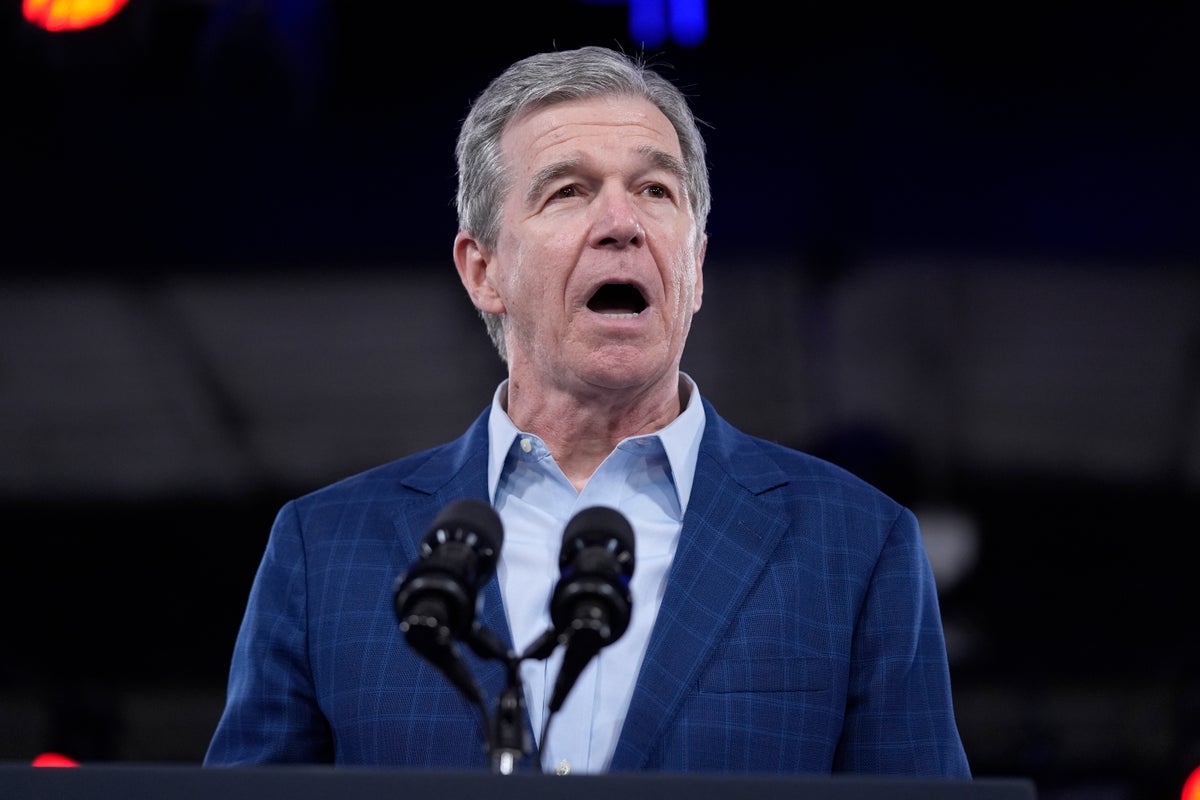
North Carolina just set the stage for a political collision that’s going to cost more than some small countries' GDP. Roy Cooper and Michael Whatley won their respective primaries on Tuesday, officially turning a quiet Senate vacancy into a high-stakes brawl. This isn't just another midterm cycle. It’s a test of whether a popular, "old school" Democrat can still survive in a state that's shifted right under the weight of national populism.
You’ve seen this movie before, but the actors are different this time. For the Democrats, Roy Cooper is the closest thing they have to a sure bet. He’s spent decades in North Carolina politics, never losing a single race. He’s the guy who managed to be a Democratic governor in a state that Donald Trump won twice. But can he do it for a federal seat? That’s a whole different animal.
On the other side, Michael Whatley represents the new guard of the GOP. He’s the former RNC chair and a man Donald Trump hand-picked to lead the party. He’s got the MAGA seal of approval and a massive machine behind him. He’s not a career legislator; he’s a strategist who knows exactly how to mobilize the base.
The Cooper paradox and the ghost of Thom Tillis
Democrats are breathing a sigh of relief because they got their dream candidate. Cooper’s appeal has always been his "steady hand" brand. He doesn't set the world on fire with progressive rhetoric, and that’s why he wins. He’s the moderate bridge in a deeply divided state.
However, the seat he’s chasing belongs to Thom Tillis, a Republican who is retiring after a rocky relationship with the Trump wing of his party. Tillis’s departure left a vacuum. If Cooper wins, he breaks a nearly 20-year losing streak for Democrats in North Carolina Senate races. The last time a Democrat won a Senate seat here was 2008. That’s a lifetime ago in politics.
You have to look at the math. A recent poll from Change Research showed Cooper with a 10-point lead in a head-to-head matchup. That sounds great on paper, but North Carolina is famous for "ticket-splitting." Voters here will happily vote for a Democratic governor and a Republican president on the same ballot. Whether they'll do that for a U.S. Senator—where the vote determines control of the entire chamber—is a much riskier gamble.
Michael Whatley and the Trump machine
Whatley isn't just a candidate; he’s a proxy for the former president. While Cooper relies on his personal reputation, Whatley relies on the infrastructure of the Republican National Committee and the MAGA movement. He dominated his primary, leaving competitors like Don Brown in the single digits.
The strategy for Whatley is simple. Paint Cooper as a "soft-on-crime" liberal who’s out of touch with the economic pain people are feeling. In places like Beaufort County, voters are talking about one thing: affordability. When a gallon of milk and a tank of gas feel like luxury items, the incumbent party—or anyone associated with it—usually pays the price.
Whatley is leaning hard into this. He’s framing the race as a choice between "America First" policies and what he calls the "chaos" of the current administration. He’s betting that the national environment will pull him across the finish line, even if he doesn't have Cooper’s 40-year resume in the state.
Why this race will hit the billion dollar mark
Expect your TV to be unwatchable by September. Analysts are already predicting this could be the most expensive Senate race in U.S. history. We’re talking potentially $1 billion in total spending. Why? Because the path to the Senate majority runs straight through Raleigh and Charlotte.
Republicans currently hold a slim majority in the Senate. If Democrats want it back, they have to win in places like North Carolina, Ohio, and Maine. North Carolina is the biggest "get." It’s the ultimate purple state.
What voters are actually saying
If you talk to people on the ground, the vibes are mixed.
- The Economy: This is the big one. Voters like Lisa Grubbs in Beaufort County aren't obsessing over political theory; they're worried about healthcare costs and inflation.
- The Trump Factor: Trump’s endorsement of Whatley is a double-edged sword. It guarantees a motivated GOP base, but it also alienates some old-school conservatives who think the party has moved too far from its roots.
- The Cooper Record: Republicans are going to hammer Cooper on crime. They’re already using specific local tragedies to argue that his policies as governor made the state less safe.
The ground game is the only game
Don't get distracted by the big national speeches. This race will be won in the suburbs of Wake and Mecklenburg counties. Cooper needs to over-perform with unaffiliated voters, who now make up the largest voting bloc in the state. Whatley needs to ensure that rural turnout is at historic highs.
Honestly, it’s going to be a grind. North Carolina elections are almost always decided by 1% or 2%. If you’re living in the state, get ready for a barrage of mailers and door-knockers. The primary was the easy part. The real fight starts now.
If you want to stay ahead of the curve, start by looking at the fundraising numbers that come out next quarter. That will tell you exactly how much "outside money" thinks this seat is winnable. You should also keep an eye on how Whatley handles the "Tillis wing" of the party. If he can't bring the moderate Republicans back into the fold, Cooper’s 10-point lead might actually hold up through November.
Make sure you're registered to vote and check your polling place now, as North Carolina's legislative maps and voting rules have been a moving target lately. If you aren't sure where you stand, use the North Carolina State Board of Elections portal to verify your status today.