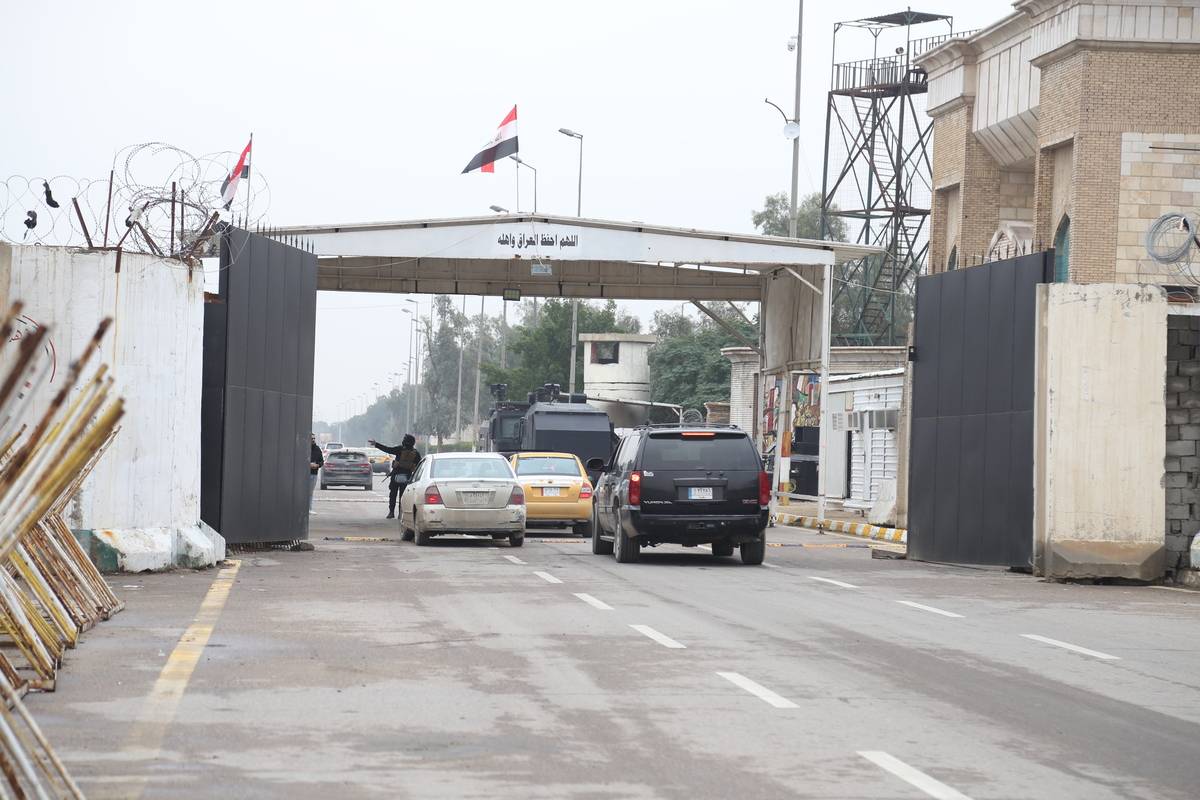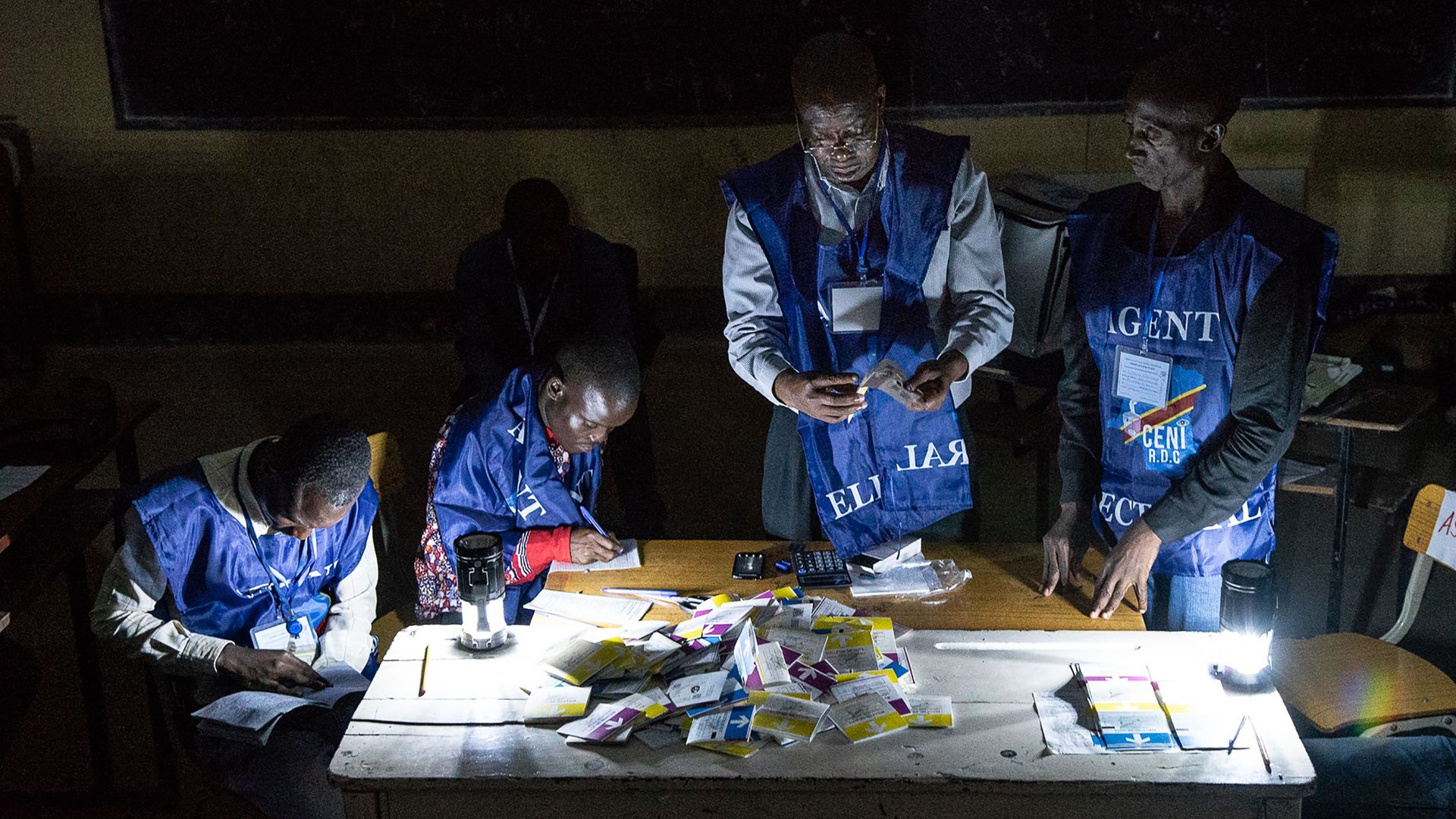
Denis Sassou Nguesso just won another five years in power, and frankly, nobody is surprised. The provisional results coming out of Brazzaville show the 82-year-old incumbent pulling in a staggering 94.82% of the vote. If those numbers feel a bit inflated to you, you're not alone. In a country where he’s ruled for a total of 42 years, the "victory" feels less like a democratic choice and more like a scheduled appointment.
It’s the fifth consecutive term for the man often called "The Emperor." While the government touts a turnout of over 84%, people on the ground tell a different story. Reporters noted that polling stations in the capital were ghostly quiet. Short lines, empty booths, and a general sense of "why bother?" seemed to be the actual mood of the day.
A Race with No Runners
You can’t really call it a contest when the deck is this heavily stacked. Sassou Nguesso didn't just win; he ran against six candidates who mostly lack the name recognition or the resources to put up a fight. It’s a classic move. Keep the heavy hitters out of the game so the incumbent can look like the only "stable" option.
Let’s look at who wasn't there. Two of the most formidable opposition figures, General Jean-Marie Michel Mokoko and Andre Okombi Salissa, are currently serving 20-year prison sentences. They’ve been locked up since the 2016 election cycle. When you put your biggest rivals behind bars, a 94% win starts to make a lot of sense.
Then there’s the ghost of the 2021 election. Back then, the main challenger, Guy Brice Parfait Kolélas, actually died of COVID-19 on a plane to France just as the polls were closing. It was a gut punch to the opposition that they haven't really recovered from. This time around, many major parties just decided to boycott the whole thing. They argued that participating would only lend a "veneer of legitimacy" to a process that was decided months ago.
The Digital Blackout Tactic
If you want to know how a government feels about its own transparency, look at the internet. Just like in 2021, the web went dark across Congo-Brazzaville as people headed to the polls. No WhatsApp, no Twitter, no way to quickly share videos of empty polling stations or ballot stuffing.
The official line usually involves "national security" or "preventing misinformation." But let’s be real. It’s about control. When you cut off communication, you control the narrative. The only news that gets out is the news the state wants you to hear—like those suspiciously high turnout figures.
Stability at a Massive Cost
Sassou Nguesso’s supporters love to talk about stability. They point to the civil wars of the 1990s and argue that "The Emperor" is the only one who can keep the peace. In a region that’s seen plenty of coups and chaos lately, that argument carries some weight with people who are tired of fighting.
But what kind of stability is this?
- Crushing Debt: Despite being the third-largest oil producer in Sub-Saharan Africa, the country is drowning. Public debt is nearly 95% of the GDP.
- Extreme Poverty: While the elite in Brazzaville live well, over half the population lives in extreme poverty. The oil wealth isn't trickling down; it’s being siphoned off.
- Zero Succession Plan: At 82, the President isn't getting any younger. There's a lot of whispering about his son, Denis Christel Sassou-Nguesso, being groomed for the job, but that’s a recipe for more tension, not less.
What Happens Now
The Constitutional Court still has to validate these provisional results, but don’t hold your breath for a surprise. The court is packed with loyalists. They’ll rubber-stamp the win, and Sassou Nguesso will start another five-year stretch.
For the average person in Congo-Brazzaville, daily life won't change. They'll keep dealing with water shortages, power cuts, and a crumbling infrastructure while the "official" numbers say everything is great.
If you're watching this from the outside, the lesson is clear. This isn't an election in the sense of a public choosing a leader. It's a performance designed to keep the status quo alive for as long as possible. The real story isn't the 94% win—it's the silence of the people who didn't show up to vote.
Watch for the official court confirmation in the coming days. It’ll likely be the final act in this predictable drama.