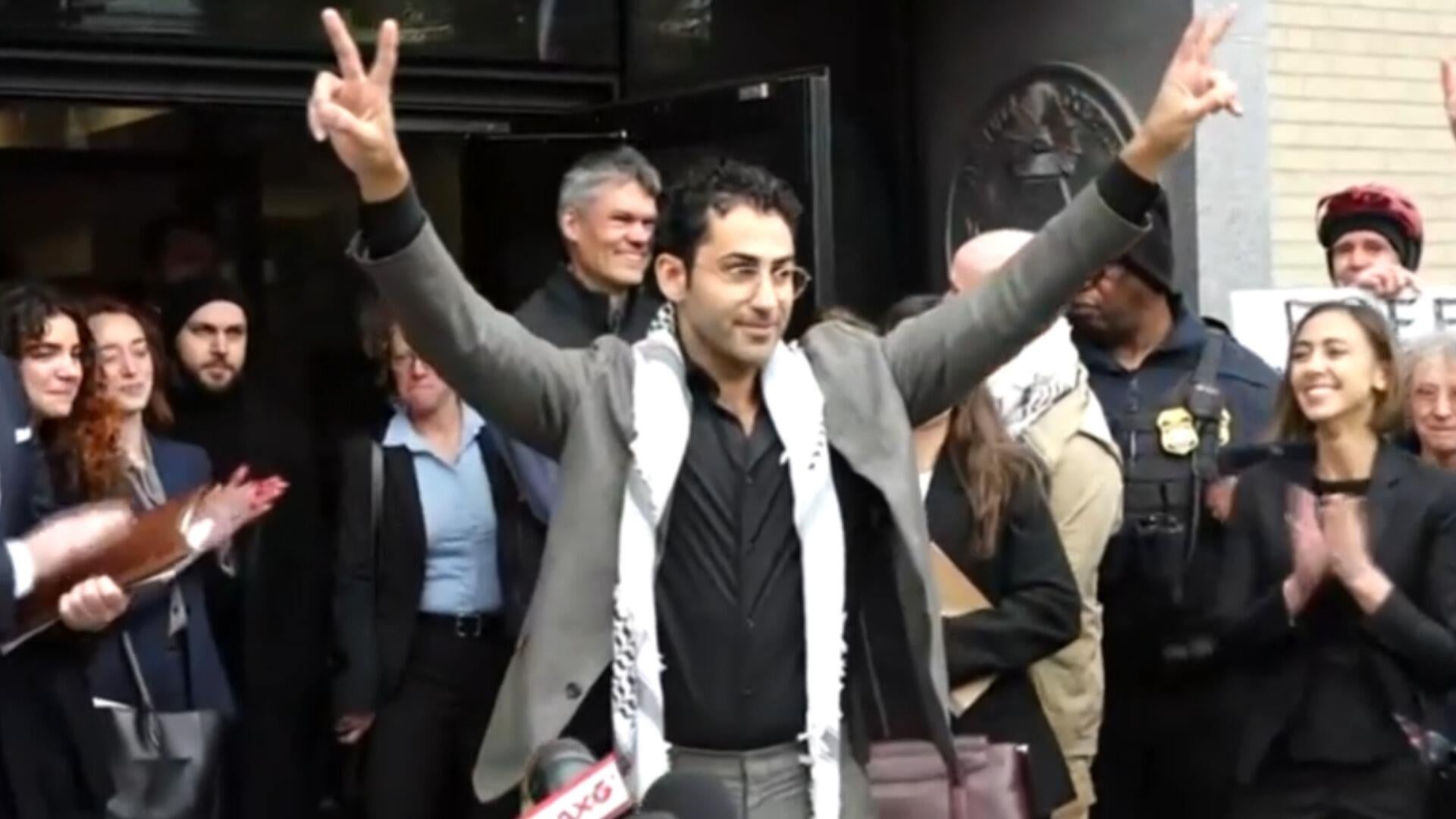
The media cycle follows a predictable, lazy choreography whenever an Ivy League student gets picked up by Immigration and Customs Enforcement (ICE). The narrative is always a binary: either the student is a martyr of a "police state," or they are a criminal bypasser of the "rule of law." Both sides are wrong. Both sides are boring.
If you think the release of a Columbia student from detention is a victory for justice or a failure of enforcement, you’re missing the actual machinery at work. I’ve watched these cases unfold from the inside of the legal and administrative meat grinder. The truth isn’t found in a protest chant; it’s found in the staggering inefficiency of a system that treats high-profile prestige as a legal get-out-of-jail-free card while the silent majority of detainees rot in underfunded county jails.
The Prestige Pass and Administrative Theater
When ICE detains a student at an elite institution like Columbia, they aren't just arresting an individual; they are inadvertently poking a hornet’s nest of social capital, high-priced legal counsel, and PR machines.
The "lazy consensus" suggests that this student was released because of a sudden realization of their innocence or a massive shift in federal policy. Rubbish. They were released because the administrative cost of holding them—measured in bad press and litigious friction—became higher than the benefit of the enforcement action.
- Social Capital as Shield: The average detainee in a South Texas processing center doesn't have a dean, a student body, and a fleet of pro bono attorneys from White & Case or Skadden making phone calls.
- Selective Outrage: We see headlines for the Columbia student because they fit a specific socioeconomic archetype. The system isn't "working" when they are released; it is simply reacting to pressure.
Imagine a scenario where a community college student in rural Ohio is picked up for the exact same visa technicality. There are no vigils on the quad. No viral Twitter threads. That student is deported before the public even knows their name. If we are going to talk about the "injustice" of detention, we need to stop pretending that the Ivy League cases are the vanguard of the movement. They are the outliers that distract us from the systemic sludge.
The Myth of the "Clean" vs. "Dirty" Detainee
The competitor articles love to highlight that the student had "no criminal record" or was "pursuing a degree." This implies a dangerous hierarchy of human value: that education and lack of a rap sheet should grant immunity from administrative law.
This is a logical trap. Immigration law in the United States is primarily civil, not criminal. Whether you are a Rhodes Scholar or a day laborer, the statute applies to your presence and your authorization. When activists focus on the "merit" of the student, they inadvertently validate the very system they claim to despise. They are saying, "Don't deport this one, they're smart," which implies, "Go ahead and deport the ones who aren't."
If you want to disrupt this space, you have to attack the underlying complexity of the Executive Office for Immigration Review (EOIR). The backlog is currently sitting at over 3.5 million cases. A student being "released" doesn't mean their case is over. It means they’ve been kicked back into a line that is years long. We are trading immediate detention for a lifetime of legal limbo.
The Data the Headlines Ignore
Let’s look at the numbers the mainstream news won't touch. According to TRAC Research at Syracuse University, the vast majority of people released from ICE custody aren't released because a judge found they "deserved" to stay. They are released on "Orders of Recognizance" or "Parole" because the bed space is needed for someone else, or the paperwork was filed improperly by a tired clerk making $45,000 a year.
| Metric | Reality |
|---|---|
| Average Detention Time | 22 to 44 days (highly variable by jurisdiction) |
| Legal Representation | Only 14% of detained immigrants have a lawyer |
| The "Columbia" Effect | Representation jumps to near 100% for prestige-institution students |
The "scandal" isn't that the student was detained. The scandal is that the outcome of an immigration case is more closely tied to the logo on your sweatshirt than the merits of your legal standing.
Stop Asking if the Arrest Was "Fair"
People ask: "How could they arrest a student on campus?" or "Why didn't ICE exercise discretion?"
You’re asking the wrong questions. The "People Also Ask" sections of Google are littered with queries about the legality of campus arrests. The brutal honesty? ICE has broad authority to arrest anywhere, though they generally avoid "sensitive locations."
The real question is: Why is the U.S. immigration system so reliant on detention-as-deterrence?
In my years of analyzing policy, I’ve seen the government spend billions on private prison contracts (GEO Group, CoreCivic) to house people who pose zero flight risk and zero danger to the community. It’s a massive transfer of taxpayer wealth to private shareholders under the guise of "national security."
If you want to fix this, stop focusing on the one student who got out. Focus on the 35,000 people who are still inside today.
The Actionable Reality
If you are a student, an activist, or a concerned citizen, your current strategy is failing.
- Stop the Martyrdom Narrative: Every time you center a "star student," you reinforce the idea that only the "worthy" deserve due process. Use your platform to highlight the most "unattractive" cases—the people with complex histories or no degrees. That is where the system actually breaks.
- Focus on the EOIR Backlog: Pressure shouldn't just be on ICE; it should be on the Department of Justice to fund more immigration judges. Justice delayed is justice denied, and the current 4-year wait times are a human rights disaster.
- Dismantle the Private Prison Lobby: The incentive to detain is financial. Follow the money. If there were no profit in the "bed mandate," the number of detentions would plummet overnight.
The Columbia student’s release wasn't a win for the movement. It was a pressure valve releasing steam so the engine could keep grinding everyone else into dust.
If you’re cheering, you aren't paying attention. You’re just relieved that the person who looks like you, or goes to your school, got a pass. The machine is still running, it’s still hungry, and it’s already looking for its next target—one who doesn't have an Ivy League PR department to save them.


