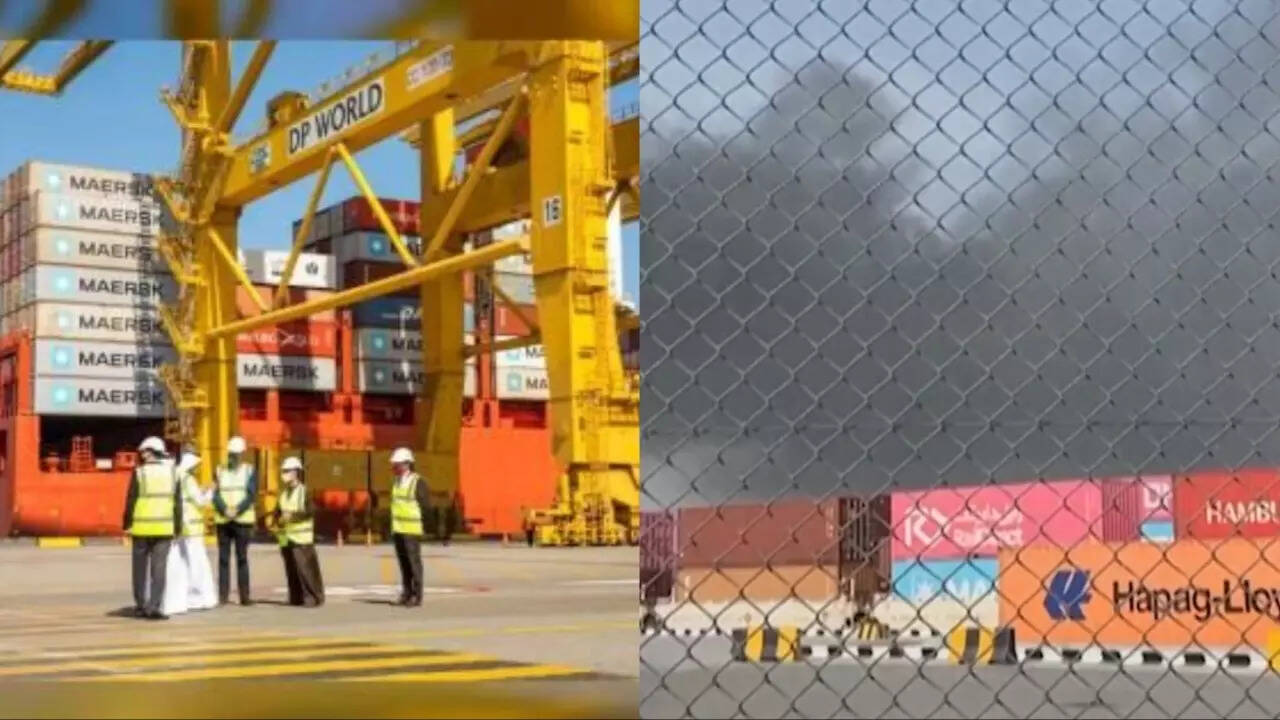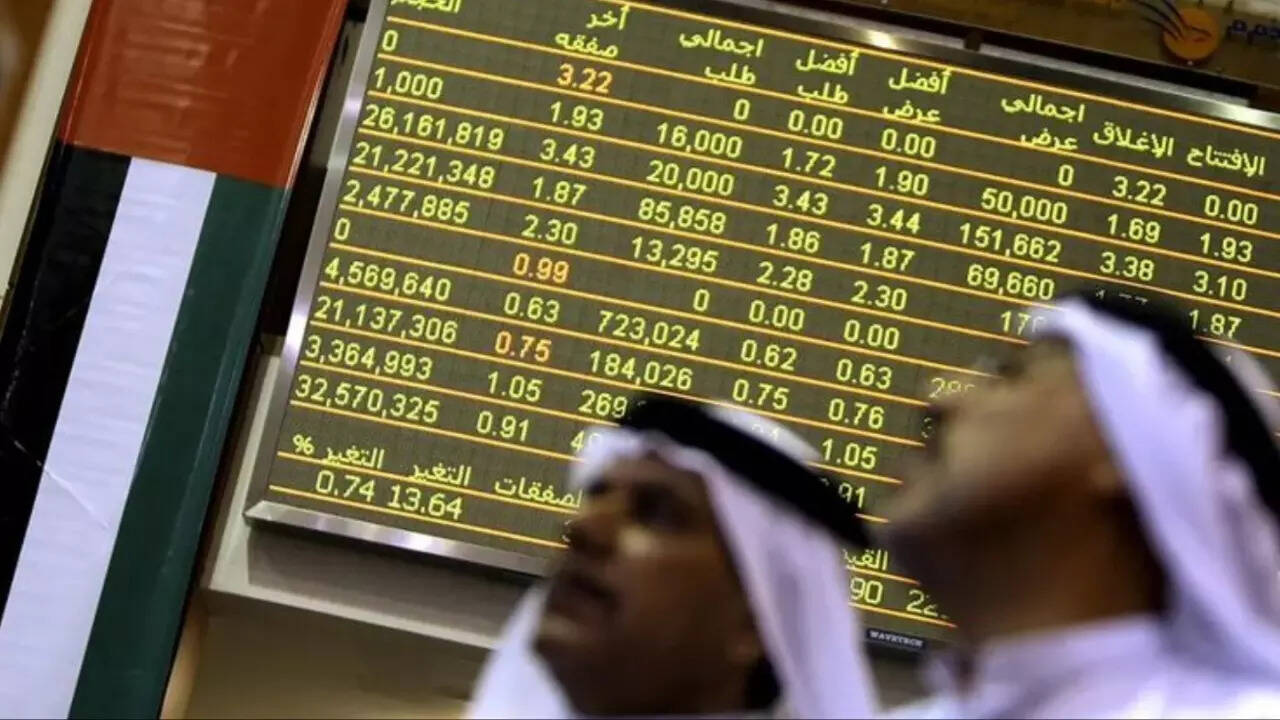
The ticker stopped. The screens went dark. In the boardrooms of the Abu Dhabi Securities Exchange (ADX) and the Dubai Financial Market (DFM), the decision-makers patted themselves on the back for "protecting the retail investor." They called it a cooling-off period. They cited the volatility stemming from the Iran-US-Israel escalation as a justification for an emergency two-day halt.
They are lying to you.
Shutting down a stock exchange during a geopolitical crisis is not an act of stability. It is an admission of fragile infrastructure and a desperate attempt to delay the inevitable repricing of assets. When you stop people from selling, you don’t stop the panic; you merely compress it into a pressurized canister that will explode the moment the opening bell rings again.
The Myth of the Circuit Breaker
Mainstream financial analysts love to talk about "orderly exits." They argue that when war breaks out, emotions run high and prices decouple from fundamentals. They claim a forty-eight-hour pause allows "cooler heads to prevail."
This is nonsense. In thirty years of watching markets react to Middle Eastern instability, I have never seen a trader become more rational because they were trapped in a position they couldn't exit.
Markets exist to discover prices. That is their sole function. When the ADX and DFM pull the plug, they aren't stopping a crash; they are blindfolding the pilots while the plane is in a nosedive. Investors who need liquidity—pension funds that must meet redemptions, or margin-called traders who need to balance books—don’t just go home and take a nap. They flee to the markets that are open.
By closing, the UAE exchanges essentially handed a massive short-selling opportunity to the global derivatives market. While local Emirati investors sit on their hands, international players are pricing the risk through ETFs like the iShares MSCI UAE (UAE) or via the oil markets. The "discovery" is happening elsewhere, and it’s happening without the local market’s input.
The Liquidity Trap You Didn't See Coming
Market halts create a "liquidity vacuum." Imagine you are in a theater and someone smells smoke. If the ushers lock the doors and tell everyone to sit down for two days to "think about it," the terror doesn't vanish. It intensifies.
When those doors finally open, the rush for the exit is ten times more violent than the initial scramble. This is exactly what we see in Gulf markets every time a regional conflict spikes.
The "lazy consensus" says that preventing a 10% drop today saves the market. The reality? It guarantees a 20% gap-down at the next open. You cannot pause a war. You cannot pause the impact of Iranian drones or Israeli countermeasures on global shipping lanes.
Why Regulators Are Actually Afraid
The real reason for the halt isn't "investor protection." It’s the fear of a margin call cascade.
The UAE markets have a high concentration of retail traders who use significant leverage. If the DFM dropped 15% in a single session, the resulting margin calls would force a liquidation of local real estate and private equity holdings to cover the debt. The regulators aren't stopping a stock market crash; they are trying to prevent a systemic contagion that would reveal how over-leveraged the local economy actually is.
It is a move born of weakness, not strength.
The Institutional Betrayal
Institutional investors—the "smart money"—hate halts. They price in "gap risk." If a fund manager knows that a market might simply stop existing for two days during a crisis, they demand a higher risk premium to hold those assets.
By halting trade, the ADX and DFM have just made UAE stocks more expensive to own. Every global desk at Goldman Sachs, JP Morgan, and BlackRock just updated their risk models. The "Liquidity Risk" variable for the Emirates just spiked. This means that even when the war rhetoric cools, the recovery will be sluggish because the big money now knows they can be held hostage by a regulatory switch.
How to Actually Play the Fallout
If you are reading the standard news reports, they are telling you to "wait for the dust to settle." That is advice for losers.
While the DFM is dark, the real action is in the correlation trades. You don't need a functioning exchange in Abu Dhabi to understand the math.
- The Oil/Logistics Divergence: Everyone buys oil when missiles fly. That’s the amateur move. The professional move is looking at the insurance premiums for Suez Canal and Strait of Hormuz transits. If the UAE markets are closed, you trade the shippers.
- The ADR Backdoor: Check for any UAE-linked firms with dual listings or ADRs in London or New York. These will act as the "true" price of the market while the local exchanges are frozen.
- The Yield Play: When equity markets freeze, look at the sovereign debt. If UAE 10-year yields are spiking while the stock market is "paused," the stock market is already lower than the last printed price. You just can't see it yet.
The Fallacy of the "War Discount"
The competitor article suggests that the market is reacting to the "fallout" of the war. This is a fundamental misunderstanding of how geopolitical risk works.
The market doesn't care about the war itself; it cares about the duration of uncertainty. A war that starts and finishes quickly is often a "buy the news" event. A market that is forced to close for two days is an admission that the uncertainty is unmanageable.
Consider the 1990 invasion of Kuwait. Markets didn't just stop; they repriced. Those who could trade, did. Those who were trapped, suffered. By the time the markets reopened in similar historical contexts, the opportunity to hedge had passed.
Stop Asking "When Will it Reopen?"
People are asking the wrong question. They want to know when they can trade again. They should be asking: "Why was I in a market that can be switched off like a bedroom light?"
The UAE has spent a decade trying to move from "Frontier" to "Emerging" and eventually toward "Developed" status in the eyes of MSCI and FTSE Russell. You do not get to be a global financial hub if you close your doors when things get "too scary." London didn't close during the Blitz. New York reopened shortly after 9/11 despite the physical destruction of the financial district.
The Abu Dhabi and Dubai markets have signaled to the world that they are still provincial players. They have prioritized the optics of a stable price over the reality of a functional market.
The Actionable Truth
If you are holding positions in the DFM or ADX, the two-day halt is not your friend. It is a theft of your time and your ability to manage risk.
When the market reopens, do not look at the percentage change from the last close. That number is a ghost. Look at the volume. If the volume is thin on the reopen, the bottom isn't in. If the volume is massive and the price is tanking, that is the only honest moment the market has had in forty-eight hours.
The status quo is a lie designed to keep you from hitting the "sell" button until the big boys have finished their over-the-counter (OTC) settlements.
Stop believing that the regulators are your parents. They are the house, and the house just locked the exit because the players were starting to win their bets against the economy's stability.
Get your capital out of "switch-off" markets and move it to venues where the price discovery is continuous, brutal, and honest. Anything else is just gambling with a rigged deck.
The halt is not a pause. It is a debt that will be collected with interest the second the screens turn back on. Prepare for the gap.