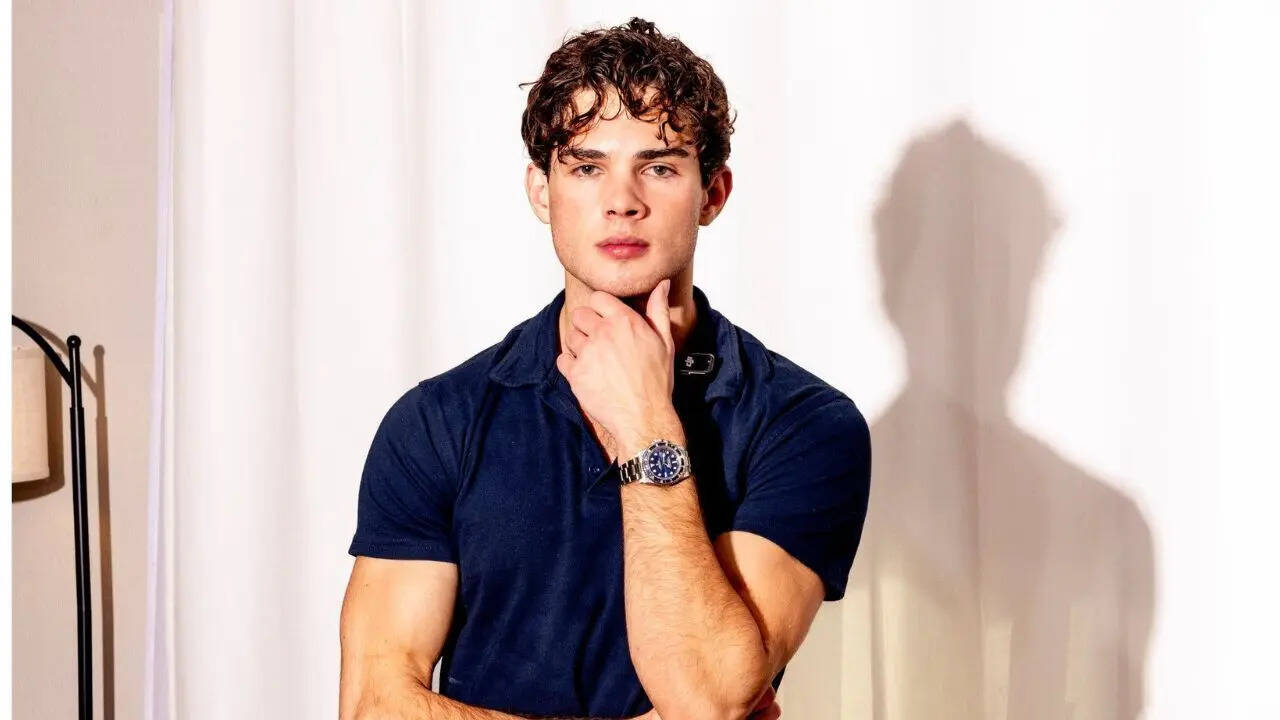
The moral police are clutching their pearls again. If you’ve scrolled through the recent headlines about the creator known as Clavicular, you’ve seen the same tired script. The mainstream media is obsessed with his "silence" being broken, his "lack of remorse" after a stint in jail, and the supposed "horror" of his alligator-related antics and assault charges. They want a public flogging. They want a tearful apology video with a gray hoodie and no makeup.
They aren't going to get it. And honestly? We should be glad. For a different view, read: this related article.
The obsession with forcing influencers into a state of perpetual repentance is a cancer on modern entertainment. We have reached a point where we value the performance of guilt more than the reality of the individual. Clavicular isn't just a "troubled creator"—he is a mirror reflecting the absolute hypocrisy of an audience that feeds on chaos while demanding the creator pretend it was all a big mistake.
The Myth of the Remorseful Creator
Let’s dismantle the biggest lie in the industry: the idea that a public apology actually fixes anything. When a creator like Clavicular "shows no remorse," the public reacts as if a fundamental social contract has been shredded. But look at the data. Apology videos are the lowest-performing assets in a creator’s portfolio unless they are being hate-watched. Further insight on this trend has been published by Entertainment Weekly.
I have watched dozens of talent agencies coach their stars through "redemption arcs." It’s a choreographed dance.
- The incident occurs.
- The legal team muzzles the creator.
- The PR firm drafts a script about "learning and growing."
- The creator posts it.
- The audience stays angry anyway.
Clavicular is skipping the middleman. By refusing to play the penitent, he is staying true to the brand that made him famous in the first place. You don't follow a guy who wrestles alligators and skirts the edge of the law because you expect him to be a Boy Scout. You follow him for the raw, unpolished, and often dangerous authenticity that mainstream celebrities are too terrified to touch.
Why the Alligator Video is High-Level Performance Art
The media fixates on the "alligator video" as a sign of mental instability or cruelty. They miss the mechanical brilliance of it. In a digital economy built on "scroll-stopping" content, Clavicular understands the hierarchy of attention better than any marketing executive at a Fortune 500 company.
The alligator isn't just a reptile; it’s a prop in a broader narrative of defiance. When Clavicular posts content that leans into the controversy rather than away from it, he is utilizing a "negative feedback loop" to solidify his core fan base.
Most people think of branding as making people like you. They’re wrong. True branding is about making the right people like you and the wrong people hate you. By leaning into his "villain" persona post-release, Clavicular is effectively purging the "casuals"—the followers who would leave at the first sign of real trouble—and doubling down on the die-hards who will buy his merch and support his streams regardless of the legal fallout.
The Assault Case and the Legal Reality
Now, let’s talk about the assault case. This is where the "professional" journalists get lazy. They conflate the moral standing of a human being with the entertainment value of a persona.
I am not here to tell you that assault is acceptable. It isn't. But I am here to tell you that the legal system and the court of public opinion are two different beasts, and we shouldn't ask one to do the job of the other. If he served his time or is meeting his legal obligations, the demand for "remorse" is a demand for psychological submission.
We don't demand this from rock stars. We didn't demand it from the "outlaw" actors of the 70s. We only demand it from digital creators because we feel a false sense of ownership over them. We think because we clicked "subscribe," we bought a piece of their soul.
The Economics of Post-Jail Fame
There is a measurable "incarceration bump" in digital metrics.
- Search volume usually spikes by 300% to 500% during the first 48 hours post-release.
- Engagement rates on the first post-jail content are typically 4x higher than the pre-jail average.
- New follower acquisition often skews younger, as the "rebel" narrative appeals to Gen Z’s inherent distrust of authority.
Clavicular isn't being "arrogant" by ignoring the critics; he is being an effective CEO. If he came back humble, his numbers would tank. His audience wants the survivor, the man who went into the system and came out unchanged.
Stop Asking "Why Won't He Change?"
People also ask: "How can he still have a platform?" or "Why hasn't he been cancelled?"
The premise of these questions is flawed. "Cancelling" only works on people who care about being liked by the general public. It works on actors who need Disney contracts or athletes who need Nike deals. It does not work on creators who have a direct-to-consumer relationship.
As long as Clavicular has an internet connection and a core group of people willing to watch, he is un-cancellable. The "outrage" from the media is actually his greatest marketing tool. Every "hit piece" written about his lack of remorse is a free advertisement sent directly to the people who find that lack of remorse refreshing.
The Dangerous Truth About Authenticity
The uncomfortable reality is that we are starved for people who don't care what we think. In a world of corporate-sanitized "influencers" who all use the same filters and say the same scripted platitudes, a remorseless Clavicular is a breath of toxic, but real, air.
We claim we want creators to be "authentic," but the second that authenticity includes traits we find distasteful—like aggression, defiance, or a total lack of social grace—we try to litigate it out of them.
You can’t have it both ways. You either want the raw human experience, which includes the ugly parts, or you want a digital puppet.
Clavicular has chosen to be a human, in all his jagged, unrepentant glory. He isn't seeking your forgiveness because he doesn't need it. He has your attention, and in 2026, attention is the only currency that matters.
If you’re waiting for the apology, stop. You’re the one stuck in the past, not him. He’s already moved on to the next stunt, and while you’re busy typing your angry comment, he’s cashing the check your outrage just signed.
Buy the villain or don't. But stop pretending you're shocked when a wolf refuses to bark like a dog.


