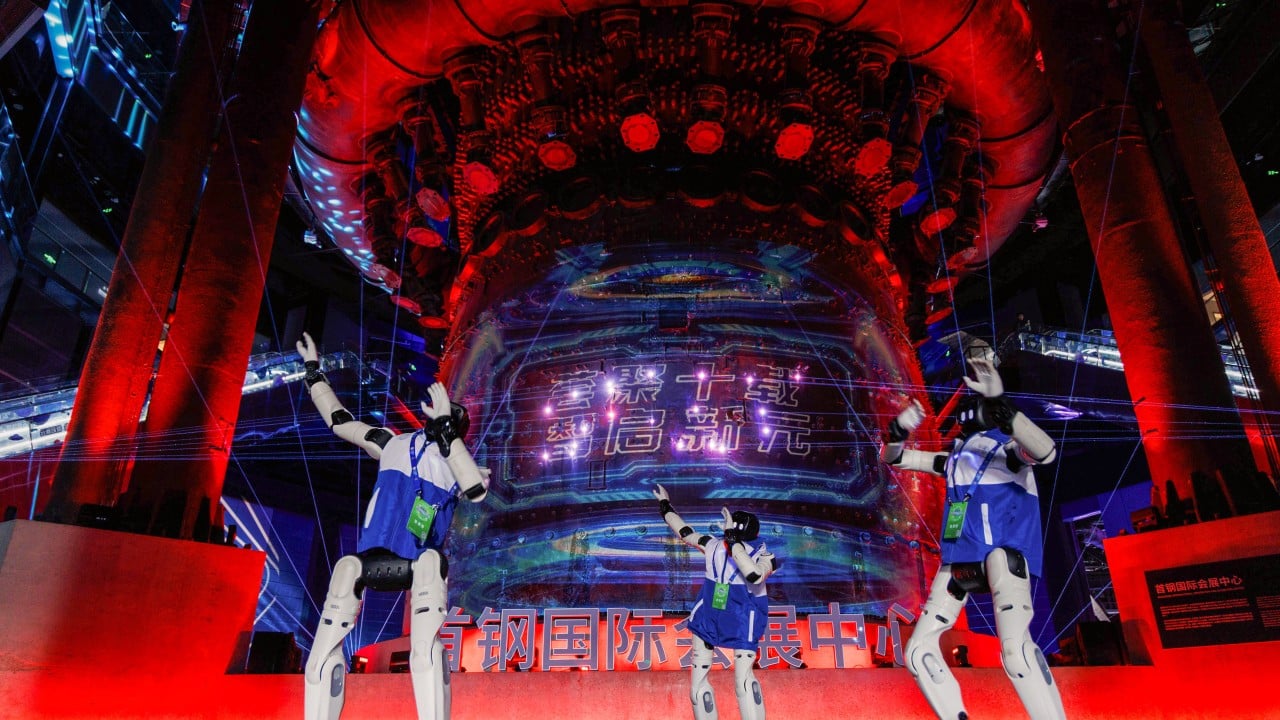
China’s sci-fi scene isn't just about guys in space suits anymore. It’s a massive, multi-layered economic engine that just hauled in 126.1 billion yuan (roughly $18 billion) in 2025. That’s not a fluke. It’s the third year in a row the industry has cleared the 100 billion yuan mark. If you’re still thinking of Chinese sci-fi as a niche hobby for engineering students, you’re missing the biggest cultural shift in Asia.
This isn't just about books or movies. It’s a full-on tech-driven ecosystem. We’re talking about video games, themed tourism, and AI-powered toys all feeding into a single, high-speed value chain. The 2026 China Science Fiction Industry Report, which dropped at the latest convention in Beijing, shows a 15.7% year-on-year jump. That's a growth rate most industries would kill for right now.
The Gaming Giant in the Room
Let's get real. The heavy lifting in this 126 billion yuan total isn't coming from the box office. It’s coming from your keyboard and controller. Sci-fi video games raked in a staggering 77.91 billion yuan in 2025. That’s more than 60% of the entire industry’s revenue.
Gaming is where the tech meets the story. With 683 million gamers in China, the genre has a built-in "native" audience. These aren't people discovering sci-fi; they're people living in it. We've seen domestic titles finally finding their footing in global markets too. It’s no longer just about clones of Western hits. Developers are blending deep Chinese mythology with hard-core space exploration, and the world is actually paying attention.
Why Tourism and Toys Are Exploding
The most shocking number in the latest report? A 179.4% surge in derivative products. That’s 7.07 billion yuan from things like AI-powered toys and collectibles. People don't just want to watch The Wandering Earth; they want a smart robot from the movie sitting on their desk.
- Theme Parks: Sci-fi themed tourism grew 13.8% last year.
- AI Integration: Toys aren't just plastic anymore. They're becoming interactive companions powered by the same tech driving China’s industrial boom.
- Micro-content: There’s a massive rise in "micro-series"—short, punchy sci-fi stories designed for phone screens.
The Liu Cixin Effect and Beyond
You can't talk about this without mentioning Liu Cixin. His Three-Body Problem and The Wandering Earth were the sparks. But the industry has moved past relying on just one guy. We're seeing a shift from "nascent" to "substantial."
Renowned writer Liu Cixin noted at the 2026 convention that sci-fi in China is now inherently linked to the country’s modernization. It’s a feedback loop. Real-world tech like the space station projects and massive AI hospitals (like the world’s first AI hospital launched in 2024 with 14 AI doctors) makes the fiction feel plausible. When you see a "ground-to-space" launch at a convention hosted by a robot named "Huanhuan," the line between reality and the "wave of the future" gets pretty thin.
The Problem With Top-Heavy Success
Everything isn't perfect. Even with 126 billion yuan in the bank, the industry is top-heavy. Experts like Wang Chunfa, president of the China Science Writers Association, are vocal about the risks. The market relies too much on a few mega-IPs. If you don't have a Wandering Earth or a Black Myth: Wukong every year, the numbers might wobble.
IP management is still maturing. Managing a franchise across movies, games, and theme parks is hard. China is still learning how to build a "sustainable, multi-level supply structure" that doesn't just depend on blockbusters. Honestly, it’s a high-class problem to have, but it’s a hurdle that needs clearing if they want to stay on top.
How Tech Fuels the Narrative
China’s 15th Five-Year Plan (2026-2030) puts a huge emphasis on "new quality productive forces." That’s a fancy way of saying tech-driven growth. Sci-fi has become the bridge for this. It’s used to ignite "scientific dreams" and move people toward careers in aerospace and AI.
The convergence is everywhere. You’ve got geologists, astronauts, and novelists sharing the same stage to talk about "speculative storytelling." This isn't just entertainment; it's a soft power play and a recruitment tool rolled into one. Beijing is even pushing to become a world-class international innovative hub by growing its sci-fi sector at over 20% annually.
The Global Audience Is Watching
Don't think this is just for domestic consumption. About 30% of players for major Chinese games now come from outside the country. Search interest in Chinese sci-fi is up over 200%. Even guys like Elon Musk are tweeting about Chinese creative media.
The "Chinese soul" in these stories—themes of collective sacrifice and "space romance"—is a fresh alternative to the individualistic hero tropes we usually see in Hollywood. It’s a different vibe, and it’s finding an audience that’s tired of the same old tropes.
Stop Treating It Like a Subculture
Sci-fi has officially transitioned from a marginal subculture to a mainstream economic pillar in China. If you're a business owner or a creator, you need to look at how these sectors are merging.
- Watch the Gaming Sector: That’s where the real money is.
- Follow the IP: Keep an eye on how original literature (up for 8 straight years) gets adapted into other formats.
- Ignore the Clichés: This isn't just "copycat" tech anymore. It’s original storytelling backed by massive industrial power.
The revenue hit a record high because the technology caught up to the imagination. The wave isn't breaking anytime soon.
If you're looking to understand where the next big entertainment franchise is coming from, start tracking the collaborations between Chinese tech firms and their top-tier sci-fi writers. I can help you break down the specific sectors showing the most growth potential if you want to see which niche is ripe for investment.