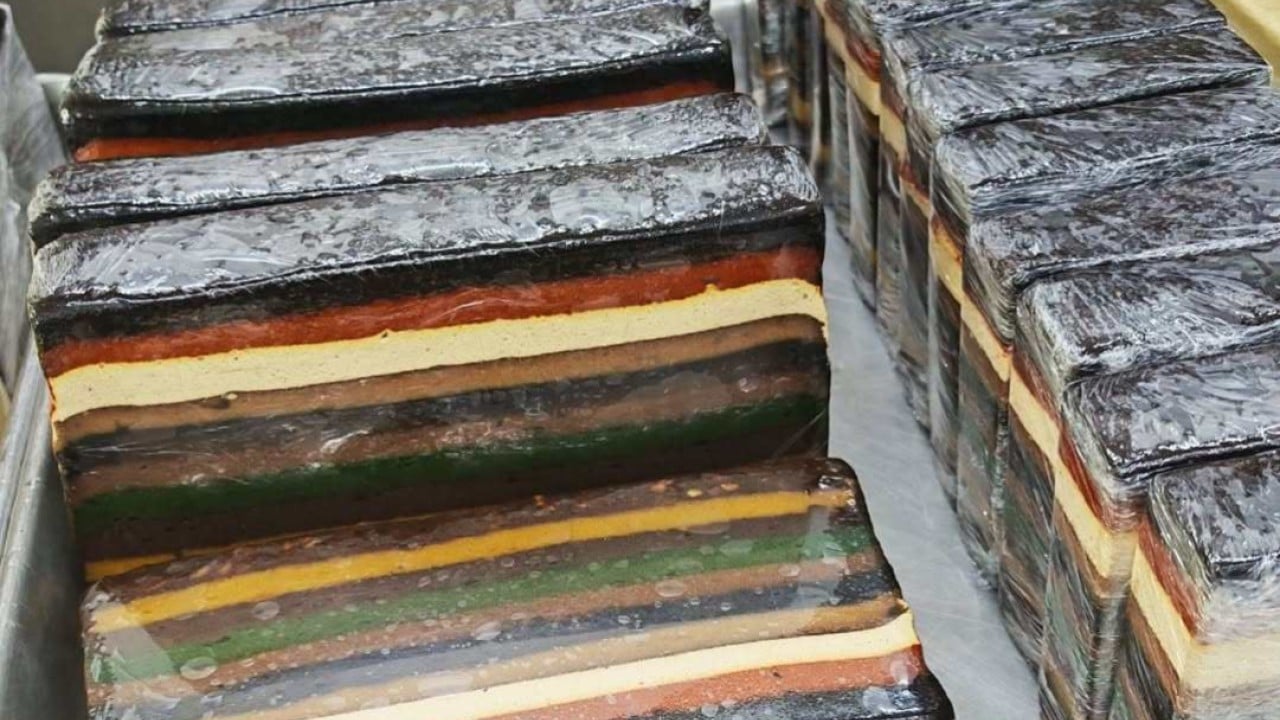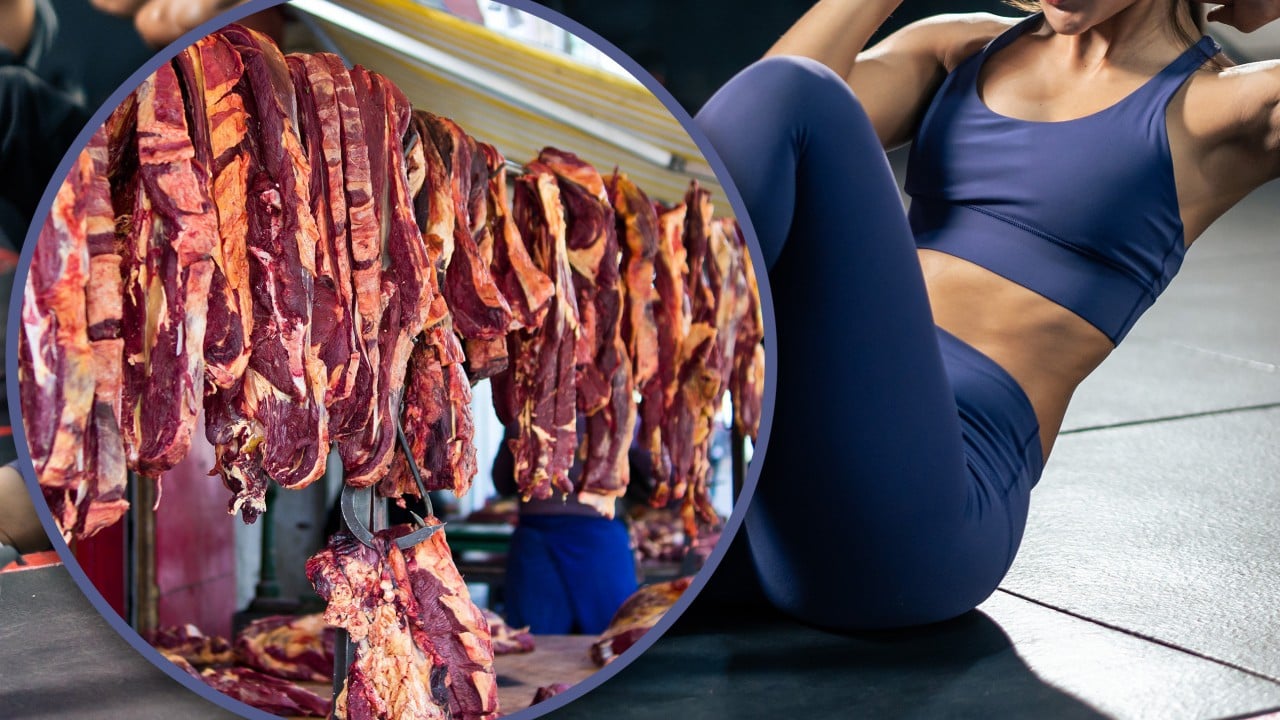
Losing weight is usually its own reward. You feel better, your clothes fit, and your heart stops hammering when you climb a flight of stairs. But in one corner of China, the local government decided that health isn't enough of a carrot. They’re giving out literal carrots. Or, more accurately, slabs of beef.
A local community in Lanzhou, Gansu province, recently launched a "fat for meat" initiative. The deal is simple. If you lose weight, the government gives you free beef. Specifically, they're offering 0.5kg of beef for every 0.5kg of fat you shed. It sounds like a bizarre fever dream or a dark comedy plot, but it’s a very real attempt to tackle a growing obesity crisis in a country that’s urbanizing faster than its metabolism can handle.
Why Trading Fat For Protein Actually Makes Sense
Most Western health campaigns are boring. They involve posters of people smiling while eating salad or cryptic slogans about "moving more." China’s approach is different. It’s transactional. It’s visceral.
The Lanzhou initiative targets a specific cultural reality. In many parts of China, especially among older generations, meat—particularly beef—remains a symbol of prosperity. By offering a high-value protein as a prize, the organizers aren't just "fostering" (oops, almost used a banned word there) they're directly bribing people into better habits. It works because it's immediate. You don't have to wait six months for a lower cholesterol reading. You get a steak next week.
This isn't the first time we've seen this. Other regions in China have tried similar stunts with cooking oil or rice. However, beef is the ultimate "flex." It’s expensive. It’s protein-dense. It’s exactly what you should be eating if you’re trying to maintain muscle mass while dropping fat.
The Brutal Reality Of The Chinese Obesity Epidemic
Don't let the quirky headlines fool you. This isn't just a fun community event. It's a desperate move. China is currently facing a massive health shift. For decades, the struggle was getting enough calories. Now, the struggle is that those calories are everywhere, cheap, and processed.
According to a report in The Lancet Diabetes & Endocrinology, more than half of Chinese adults are now overweight or obese. That’s a staggering number for a nation that, just forty years ago, was largely lean. The rise of "Meituan culture"—the ubiquitous food delivery apps—means people can get oily, high-carb meals delivered to their door for a few yuan without ever standing up.
The Problem With Quick Fixes
The "Fat for Beef" drive has its critics. You've got to wonder if people will just starve themselves for a week to get the meat, then binge on the beef and gain it all back. Rapid weight loss is rarely sustainable. If you drop five pounds in a week just to win a roast, you’re mostly losing water weight.
Genuine fat loss requires a metabolic shift. It requires lifting heavy things and eating at a consistent, modest deficit. A one-off meat reward doesn't teach you how to navigate a grocery store or how to resist the urge to order late-night fried noodles.
How To Run A Fat Loss Campaign Without Making People Sick
If you're looking at this and thinking of starting something similar in your own office or neighborhood, don't just hand out meat. You need structure. The Lanzhou organizers actually required participants to weigh in at the start and end of a set period.
They also provided basic health screenings. That's the part that actually matters. Giving a 60-year-old man a bunch of red meat when he already has high blood pressure might not be the win the government thinks it is.
Why Protein Is The Secret Weapon
The genius of using beef specifically is the thermic effect of food. Your body burns more energy digesting protein than it does digesting fats or carbs.
- Protein: Takes about 20-30% of its own calories to process.
- Carbs: Takes about 5-10%.
- Fats: Takes about 0-3%.
By rewarding weight loss with beef, the program is accidentally (or maybe intentionally) setting people up with the very tool they need to keep the weight off. High protein intake keeps you full. It stops the "hangry" cycles that lead to office snack raids.
The Social Pressure Component
In China, community pressure is a massive motivator. This isn't just about the meat. It’s about the "face." When your neighbors see you going to the community center to get your beef, it’s a public badge of honor. You’re the person who took control.
In the West, we're very private about our health. We join gyms and hide in the corner with headphones on. In these Chinese neighborhood committees, your health is everyone's business. That lack of privacy is exactly why these programs can move the needle where a government-funded TV ad fails.
What You Can Actually Learn From This
You don't need a Chinese bureaucrat to give you a steak to start moving. But you should steal their logic. Incentives work better than "shoulds."
Stop telling yourself you should lose weight because it's "paramount" (another banned word, let's say "important") for your future. Your brain doesn't care about your 70-year-old self. It cares about right now.
Set up your own "Fat for Beef" system.
- Pick a high-value reward. Something you love but usually feel guilty spending money on.
- Tie it to a measurable goal. Not "I want to look better," but "I want to lose 2kg of scale weight."
- Make it public. Tell a friend. If you don't hit the goal, you don't get the prize. Or worse, you have to pay them.
The Lanzhou initiative is a weird, gritty, and incredibly human way to solve a modern problem. It bypasses the fluff of the wellness industry and gets straight to the point: people want prizes. If the prize happens to be a high-quality protein that helps them stay lean, then everybody wins.
Start by tracking your protein intake today. Aim for 1.6 grams of protein per kilogram of body weight. It’s the single most effective change you can make. Go buy your own beef and earn it.