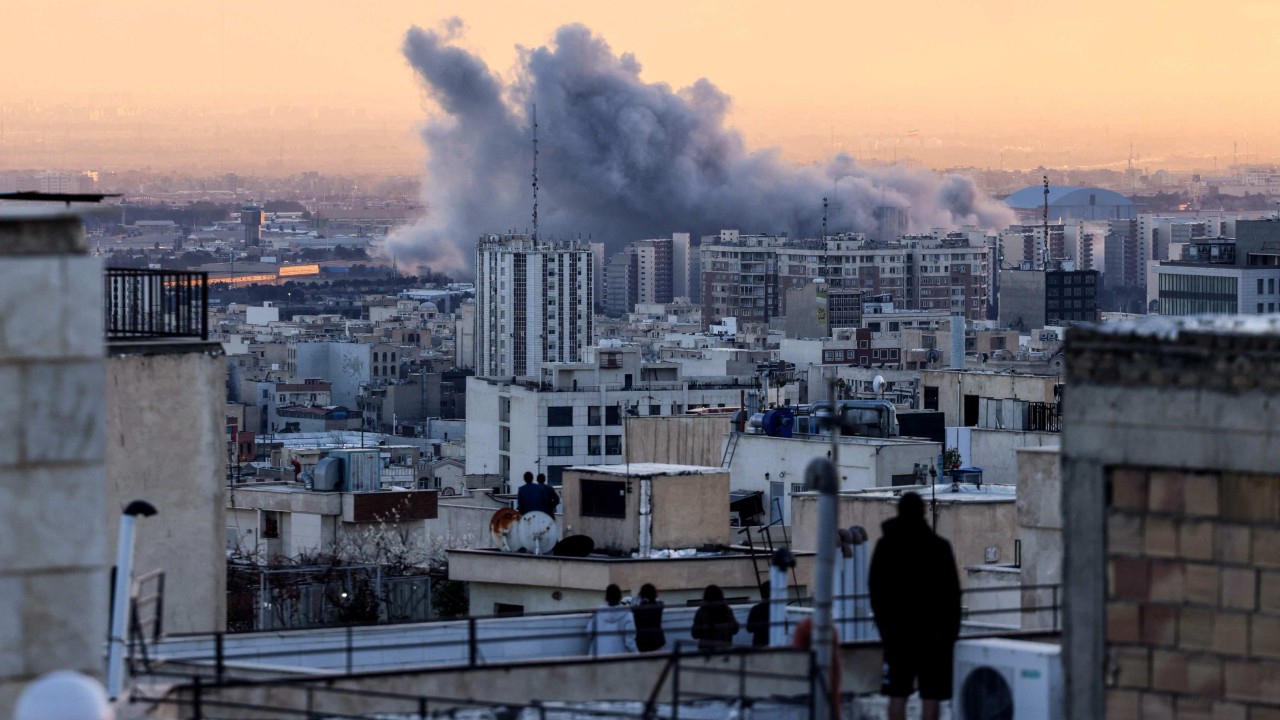
The missiles are flying, but Beijing is mostly just taking notes. If you expected China to jump into the trenches for Tehran, you haven't been paying attention. Despite the "comprehensive strategic partnership" and the flashy 25-year cooperation deal, China is watching from the balcony while the US and Iran go at it.
It isn't about cowardice. It's about a cold, calculated refusal to inherit someone else’s mess. China wants the oil, the market access, and the prestige of being a "responsible power," but it doesn't want the body bags or the trillion-dollar war bills that come with being a Middle Eastern security guarantor. For Beijing, Iran is a useful tool to keep the US distracted, not a hill worth dying on.
The strategic logic of doing nothing
China’s foreign policy is often described as "strategic patience," but in the context of the current US-Iran escalation, it looks more like strategic opportunism. They’ve watched the US burn through trillions in Iraq and Afghanistan. They don’t see a reason to repeat that mistake. By staying on the sidelines, Beijing lets Washington exhaust its resources and political capital in a region that's becoming less relevant to America’s long-term goals but remains a graveyard for its ambitions.
While the US spends blood and treasure, China spends yuan. They’re building ports, high-speed rail, and digital infrastructure. When a crisis hits, like the recent strikes on Iranian military sites, China issues a standard-issue "call for restraint" and moves on to the next trade meeting. They aren't interested in a "forever war." They're interested in a "forever customer."
Why Tehran can't bank on Beijing
Iran’s leadership, especially after the recent loss of high-ranking figures like Supreme Leader Ayatollah Ali Khamenei in Operation Epic Fury, might have hoped for more than just "rhetorical support." But China’s support has a very clear ceiling. They’ll give you a seat at the table in the BRICS summit or the Shanghai Cooperation Organization, but they won't give you a security guarantee.
- The Asymmetry Problem: China accounts for about 1% of total commerce for the world’s second-largest economy, but China buys roughly 80% of Iran's oil. Iran needs China to survive; China just needs Iran to keep the prices low.
- The "Feckless Friend" Reality: China doesn't do alliances in the Western sense. They have "partnerships." These are transactional. If supporting Iran means a direct military collision with the US, China will back away every single time.
- Diversification: China has spent years making sure they aren't hostage to one supplier. If Iranian oil stops flowing due to a blockade of the Strait of Hormuz, they’ll just dial up the imports from Russia, Saudi Arabia, or Iraq.
Balancing the Middle Eastern scales
One big reason China stays out of the fight is that it has too many friends who hate each other. Beijing has worked hard to broker deals between Iran and Saudi Arabia. They want to be the adult in the room who can talk to everyone. If they pick a side in a shooting war, they lose their status as a "neutral" mediator and alienate the wealthy Gulf monarchies they need for the Belt and Road Initiative.
China’s "New Security Architecture" for the Middle East isn't built on carrier strike groups. It’s built on the idea that economic development leads to stability. It’s a nice theory, but it falls apart when the bombs start falling. Yet, even as the region burns, Beijing stays the course. They’re betting that when the dust settles, the survivors will still need someone to build their bridges and buy their crude.
The Trump Factor and the April Summit
Timing is everything. With a planned summit between Xi Jinping and Donald Trump on the horizon in April 2026, Beijing has zero incentive to ignite a new fire. They’re already dealing with trade wars and tensions over Taiwan. Adding an Iranian military intervention to the mix would be strategic suicide.
China’s diplomats are basically playing a game of "good cop" on the global stage. They condemn "unilateral force" and "interference in internal affairs" to win points with the Global South, while privately ensuring their own energy lanes stay open. It’s a double game that works—until it doesn't.
What happens if the regime actually falls
The nightmare scenario for Beijing isn't a war; it's a pro-Western regime change in Tehran. If the Islamic Republic collapses and is replaced by a government that looks toward Washington, China loses its primary "anti-hegemonic" partner in the region.
But even then, China's reaction would likely be internal. They’d tighten the Great Firewall and ramp up domestic surveillance to make sure no "contagion" of protest reaches Beijing. They wouldn't send the PLA to save the IRGC.
The limits of being a superpower on the cheap
The current conflict exposes the fundamental limit of China's rise. You can't be a global leader if you’re unwilling to lead when things get ugly. By staying on the sidelines, China proves it’s still a regional power with global bank accounts, not a global power with a regional spine.
Don't expect a shift in policy. China will keep calling for "dialogue" while checking the daily oil tickers. They'll keep selling dual-use tech and satellite data to Tehran, but they’ll keep their boots firmly on their own soil.
If you're watching this conflict and waiting for a Chinese "intervention," stop. It isn't coming. Beijing is waiting for the US to tire itself out so they can buy the wreckage at a discount. If you want to understand where China is heading next, look at their upcoming trade agreements with the GCC countries rather than their military drills in the Indian Ocean. Watch how they handle the upcoming April summit with Trump—that’s where the real deals are made, not in the smoke over Tehran.


