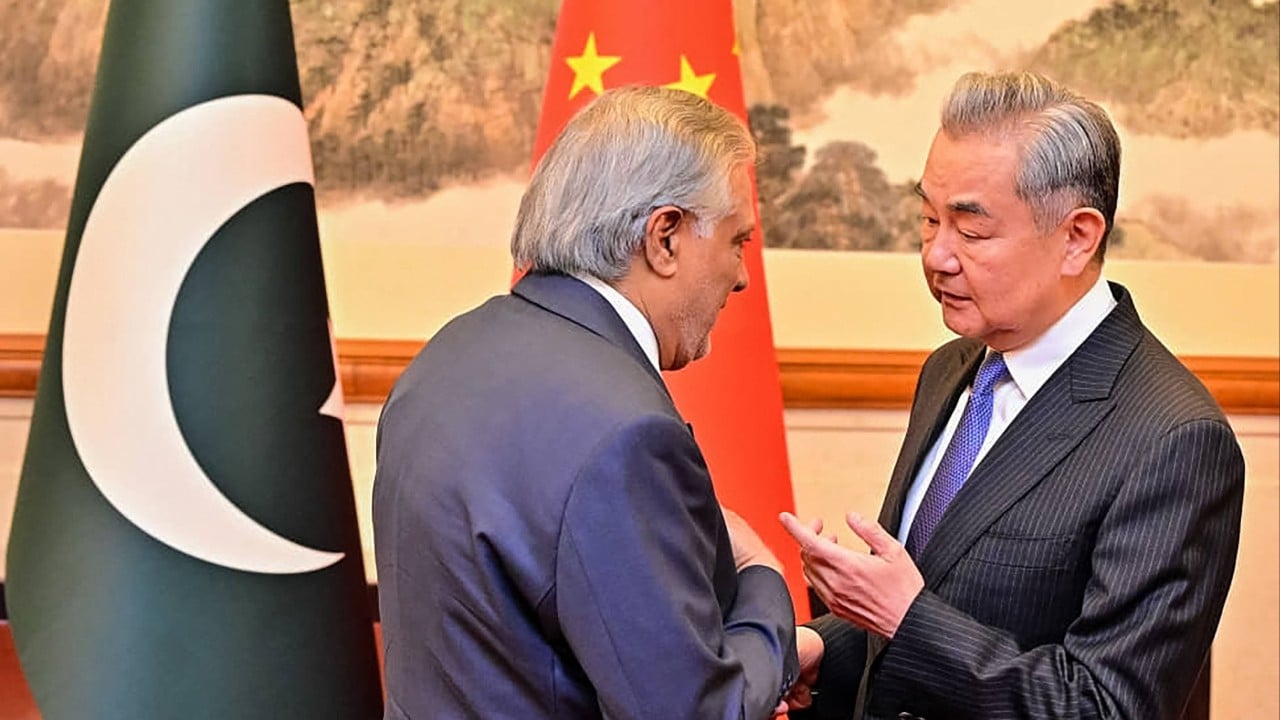
Don't let the dry diplomatic language fool you. When China and Pakistan sit down in Beijing to "review the situation" in the Middle East, they aren't just checking boxes. They're trying to stop a global economic meltdown. On March 31, 2026, Chinese Foreign Minister Wang Yi and Pakistan’s Ishaq Dar dropped a five-point initiative that effectively draws a line in the sand regarding the war on Iran.
This isn't just another toothless UN resolution. It's a calculated move by the world’s second-largest economy and a nuclear-armed neighbor to protect their own interests. The war, which kicked off with US-Israeli strikes back in February, has reached a tipping point. If you think this is just about regional borders, you're missing the bigger picture. It’s about oil, trade routes, and who actually calls the shots in West Asia when the West is busy dropping bombs.
The Five Points Stripped of the Fluff
Beijing and Islamabad didn't invent these ideas, but they've packaged them into a specific roadmap that targets the most painful parts of this conflict. Here’s what they’re actually demanding.
1. Stopping the Bleeding Immediately
The first point is a blunt call for an "immediate cessation of hostilities." They want the shooting to stop now. No "gradual de-escalation" or "measured responses." They also demand that humanitarian aid get into war-affected areas without someone standing in the way. It’s a direct challenge to the current military momentum.
2. Putting Diplomacy on Life Support
They’re pushing for peace talks to start "as soon as possible." The interesting bit? They explicitly mention safeguarding the sovereignty and territorial integrity of Iran. In plain English, they're telling the US and Israel that regime change or carving up Iranian territory is off the table. They’re positioning themselves as the adults in the room, claiming dialogue is the only "viable option."
3. Hands Off the Infrastructure
This is where it gets specific. The plan calls for an end to attacks on non-military targets. We’re talking about power plants, desalination facilities, and energy infrastructure. Most importantly, they’ve highlighted "peaceful nuclear infrastructure." Since Israel has already been taking swings at Iranian energy fields and manufacturing hubs, this is a clear "stop it" directed at Tel Aviv.
4. The Battle for the Strait of Hormuz
This is the heart of the matter. Iran recently started trying to collect "tolls" or transit fees from ships passing through the Strait of Hormuz. China and Pakistan aren't having it. Their fourth point calls for "normal passage" to be restored. China buys about 1.38 million barrels of oil a day from Iran—around 12% of its total imports. They can't afford a choked-off Strait, and they’re telling Tehran that even "allies" have limits when it comes to global shipping.
5. Back to the UN Charter
The final point is a bit of a classic: the "primacy of the UN Charter." It sounds like filler, but it’s actually a dig at unilateral military actions. By pushing for a "comprehensive peace framework" under international law, they're trying to delegitimize any peace deal that’s dictated solely by Washington.
Why Pakistan is the Perfect Middleman
You might wonder why Pakistan is even in this conversation. It’s simple: they’re the only ones everyone is still talking to. Islamabad has been playing a high-stakes game of shuttle diplomacy, with Ishaq Dar recently meeting with leaders from Turkey, Egypt, and Saudi Arabia.
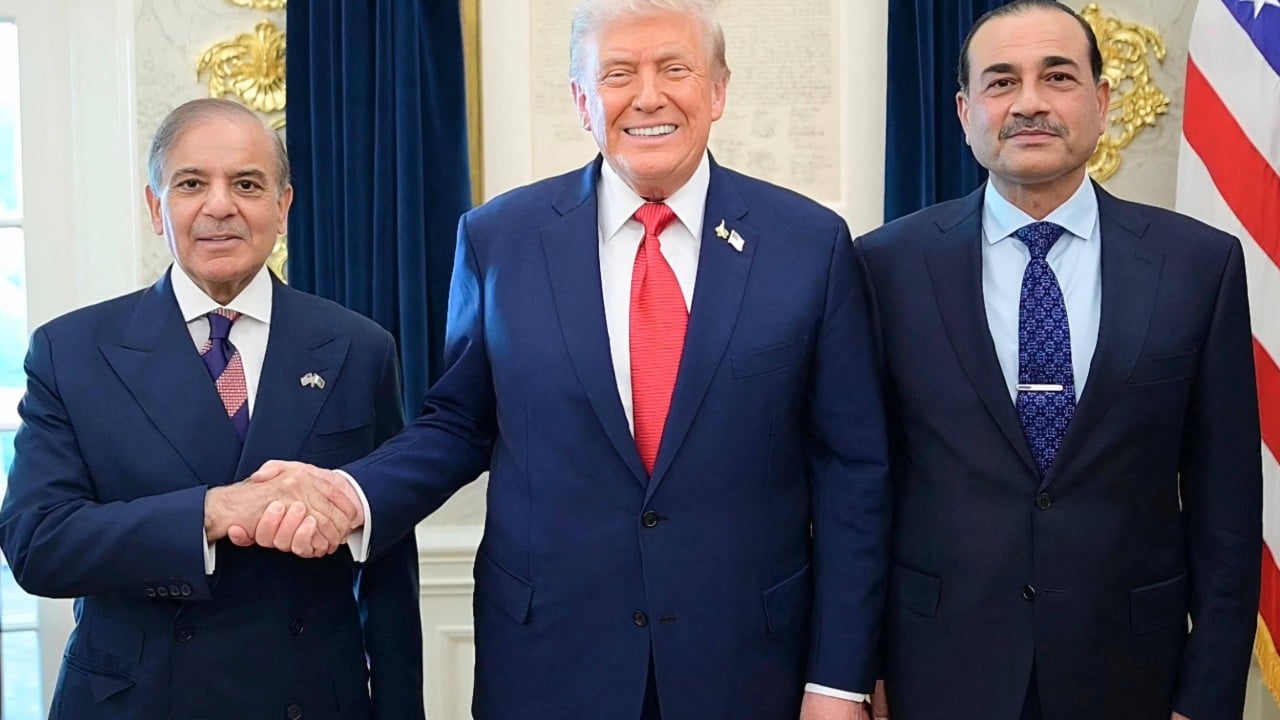
While Tehran publicly acts tough—denying direct talks with the US—rumors are swirling that they've already passed a response to Donald Trump’s 15-point plan through Pakistani intermediaries. Pakistan provides the "low-risk" face that China needs. Beijing doesn't want to get its hands dirty in direct negotiations with Washington just yet, so it uses Pakistan as a buffer and a bridge.
The Massive Stakes for China
China isn't doing this out of the goodness of its heart. It’s about the money. Between the reported trade and the "under-the-table" oil deals, China-Iran trade hit roughly $41.2 billion in 2025. Then there's the 25-year strategic cooperation agreement where China promised $400 billion in investment.
A prolonged war doesn't just drive up oil prices; it threatens the Belt and Road Initiative (BRI) and the China-Pakistan Economic Corridor (CPEC). If Iran turns into another "Venezuela at the door," as some analysts fear, China loses its primary energy tap and its biggest footprint in the Middle East. They need a stabilized Iran-US track to protect their wallet.
The Reality Check
Is this plan going to work? Probably not immediately. Iran’s leadership hasn't shown much interest in a ceasefire while they feel backed into a corner, and the US/Israel side feels they have the military upper hand. Plus, Iran’s recent move to monetize the Strait of Hormuz shows they're willing to piss off even their friends to stay afloat.
However, this five-point plan matters because it’s the first time a major global power has laid out a concrete exit ramp. It gives the "neutral" world a framework to rally behind. It also signals to Iran that Chinese support has strings attached—specifically, "keep the oil flowing and stop the infrastructure suicide."
If you’re watching this conflict, keep your eyes on the shipping data in the Strait. That’s the real barometer of whether this plan has any teeth. If ships start moving freely without paying Iranian tolls, you’ll know Beijing’s "quiet pressure" is actually working behind the scenes. Until then, it’s a high-stakes game of diplomatic chicken.
Next steps for following this crisis
- Watch for any shift in US rhetoric regarding "protected infrastructure" in Iran.
- Monitor shipping insurance rates in the Persian Gulf; if they drop, the China-Pakistan plan is gaining traction.
- Track the next round of "shuttle diplomacy" visits to Islamabad by Arab leaders.