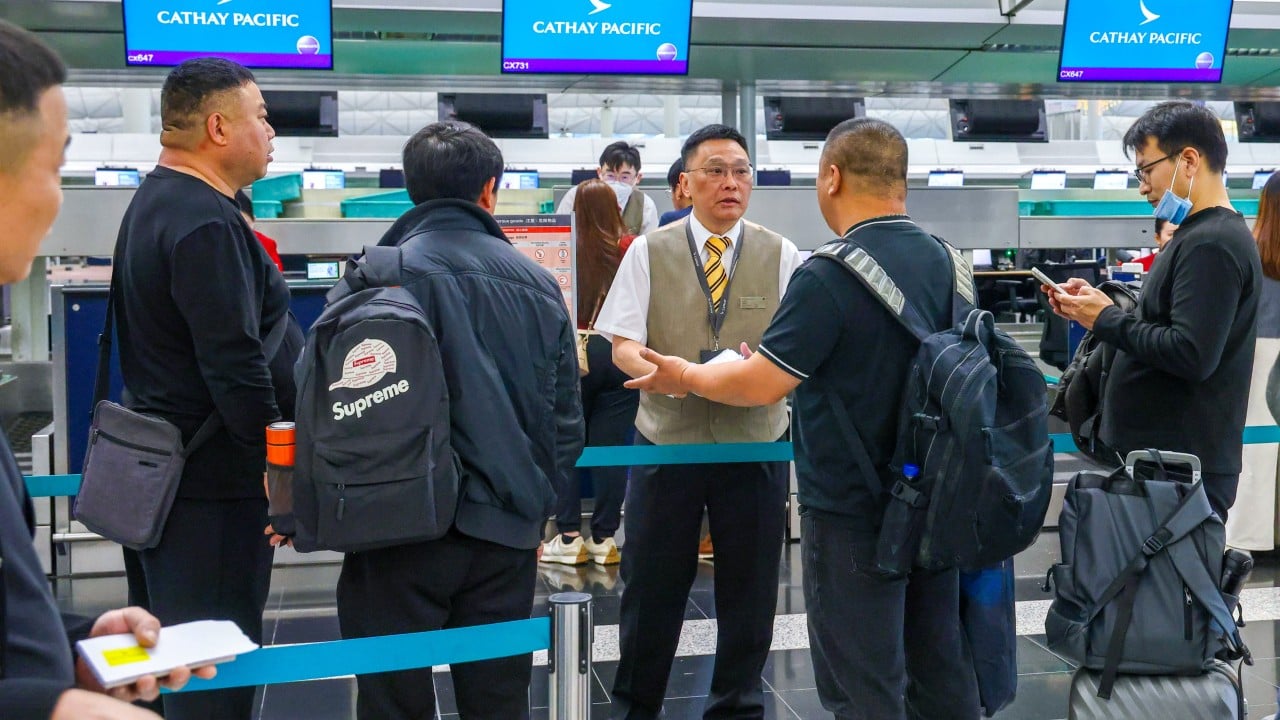
A single flight cancellation is a logistics hiccup. A fleet-wide suspension is a white flag. When Cathay Pacific grounded its Dubai routes through Thursday following the flare-up between Israel and Iran, the mainstream media painted it as a "safety-first" triumph. They missed the mark entirely.
This isn’t about passenger safety. If it were, every carrier would have blinked simultaneously. This is about the terminal decline of operational flexibility in legacy aviation. By pulling the plug on a critical Middle Eastern hub, Cathay isn't protecting travelers; it's revealing a rigid, risk-averse infrastructure that can’t handle the geopolitical volatility of 2026.
Stop looking at the headlines about missiles and start looking at the balance sheets of the carriers that didn't stop flying. While the "precautionary" crowd retreats, the real movers are rewriting the math of modern flight paths.
The Illusion of the Empty Sky
The "lazy consensus" suggests that when a conflict sparks, the sky becomes a no-go zone. This is a fundamental misunderstanding of how global airspace functions. Airspace isn't a binary "open or closed" toggle; it is a fluid, three-dimensional grid managed by Flight Information Regions (FIRs).
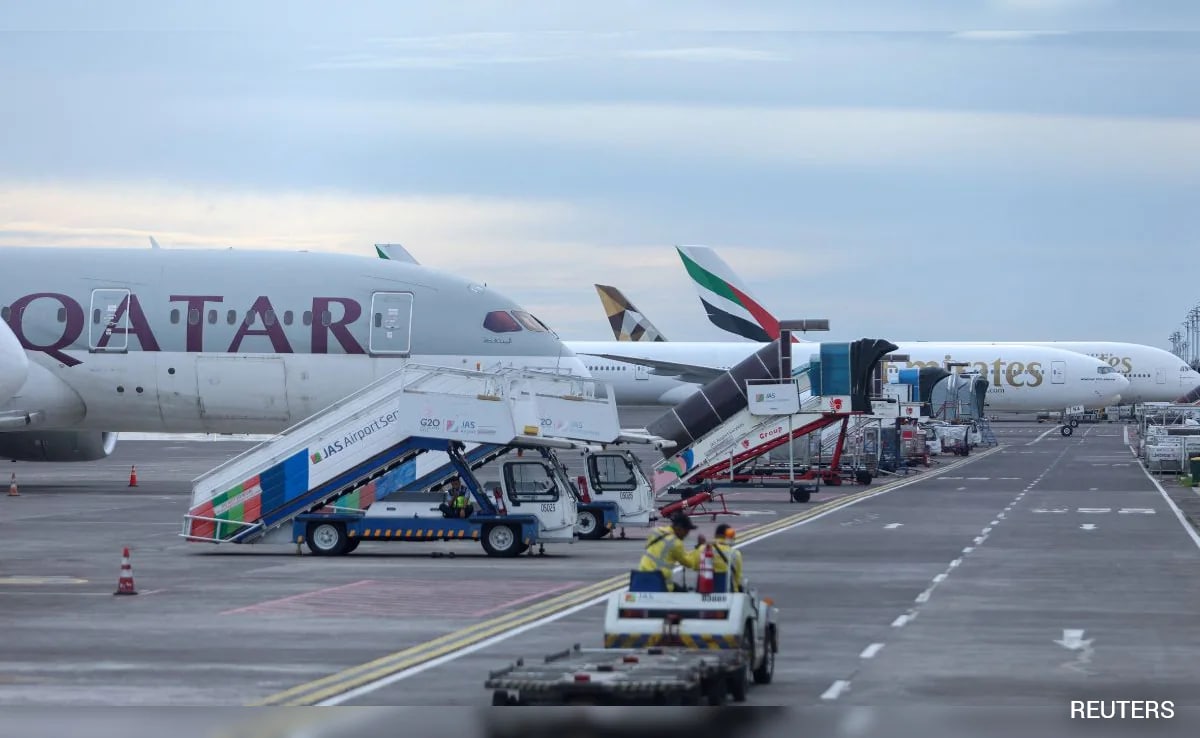
When Cathay halts Dubai flights, they aren't just avoiding a "war zone." They are admitting they lack the real-time rerouting sophistication to navigate around it. Compare this to the Gulf carriers—Emirates, Qatar, Etihad—who treat these disruptions as a daily math problem rather than a reason to park the fleet.
The industry calls it "risk mitigation." I call it "operational paralysis." When you ground a route, you aren't just losing ticket sales; you are fracturing the global supply chain. Dubai isn't just a destination for tourists looking for gold souks; it is the central nervous system of East-West transit. Every hour a Cathay bird sits on the tarmac in Hong Kong, a dozen cargo contracts are bleeding out.
The Cost of the "Safety" Brand
Cathay Pacific has spent decades cultivating a brand of impeccable, almost sterile safety. But there is a point where safety becomes a convenient excuse for inefficiency.
I’ve seen airlines burn through $50 million in a single weekend of "precautionary" cancellations. The ripple effect is catastrophic:
- Crew Displacement: Pilots and cabin crew end up out of position, leading to a week of recovery even after the "threat" subsides.
- Maintenance Lag: High-utilization aircraft don't like sitting still.
- Trust Erosion: High-value business travelers—the ones who pay for the front of the plane—don't care about your press release. They care that they missed their closing meeting in the DIFC.
The common question asked in travel forums is: "Is it safe to fly over the Middle East?"
That is the wrong question. The real question is: "Does my airline have the capability to manage mid-flight rerouting without dumping me in a third-country airport?"
Most people think of a flight path as a fixed line on a map. In reality, it is a $100,000 bet on fuel, wind, and political stability. If an airline can’t hedge that bet, they shouldn't be in the long-haul game.
Geopolitics is the New Weather
In the 1990s, the biggest threat to your schedule was a blizzard at O'Hare. In 2026, the biggest threat is a drone strike in Isfahan.
Carriers like Cathay are treating geopolitical events as "Acts of God"—unpredictable, unmanageable disasters. But in the current climate, conflict is a predictable variable. It is the new weather. If an airline doesn't have a 24/7 "war room" capable of shaving minutes off a flight path by skirting the Tehran FIR, they are obsolete.
We are seeing a Great Divide in aviation. On one side, you have the "Legacy Cowards" who shut down at the first sign of a NOTAM (Notice to Air Missions). On the other, you have the "Tactical Titans" who use sophisticated ADS-B data and private intelligence feeds to keep the arteries of commerce open.
The Fuel Burn Fallacy
The argument often cited for these "suspensions" is that rerouting around Iranian or Iraqi airspace adds too much time and fuel to be economically viable.
Let’s dismantle that with some back-of-the-napkin math.
Imagine a scenario where a flight from Hong Kong to Dubai normally takes 9 hours. Due to airspace closures, the pilot has to swing south over the Arabian Sea, adding 90 minutes.
- Additional Fuel Burn: ~$15,000 to $20,000 depending on the airframe (e.g., A350-900).
- Cost of Total Cancellation: ~$400,000 in lost revenue, plus passenger rebooking fees and cargo penalties.
The "conservative" choice actually costs the company twenty times more than the "risky" reroute. This isn't about saving money. It's about a lack of institutional courage. The boardrooms are more afraid of a PR nightmare than they are of a financial hemorrhage.
Stop Asking "When Will it Be Safe?"
People Also Ask: When will flights to Dubai return to normal?
The answer is never. "Normal" died years ago. We are now in a permanent state of "High-Frequency Volatility." If you are waiting for a world where the Middle East is a quiet pond, you will be waiting until your passport expires.
The travelers who win in this era are the ones who stop booking based on brand loyalty and start booking based on "Network Resilience."
How to spot a resilient airline:
- Hub Diversification: Do they have multiple ways to get you to your region?
- Fleet Age: Newer jets like the 787 and A350 have the range to take massive detours without refueling stops.
- Home Base Geopolitics: Is the airline's home country a neutral player or a target?
Cathay is tied to a Hong Kong that is increasingly risk-averse and under the thumb of broader Chinese aviation policy. They don't have the autonomy to be "bold."
The Truth About Dubai’s Airspace
Dubai (DXB) is arguably the best-defended patch of sand on the planet. Between the UAE’s own multi-layered missile defense and the heavy US presence at Al Dhafra, the actual risk to a commercial airliner at 35,000 feet is statistically lower than the risk of a bird strike during takeoff in New York.
When an airline halts flights, they aren't responding to a physical threat to the aluminum tube. They are responding to an insurance premium hike. Most of these "safety" decisions are made by actuaries in London, not pilots in the cockpit.
The industry insiders won't tell you this, but many of these cancellations are "profit-motivated withdrawals." If the insurance "war risk" surcharge makes a specific flight less profitable, the airline uses "passenger safety" as a convenient PR shield to cancel the route without looking like they are penny-pinching.
Stop Congratulating Caution
We have been conditioned to applaud when a company says, "We are doing this for your safety."
In aviation, excessive caution is often a mask for technical debt and a lack of real-time intelligence. If a carrier can't navigate the modern world, they don't deserve your loyalty or your miles.
The next time a major carrier grounds a fleet because of a regional skirmish, don't thank them for "looking out for you." Look for the airline that’s still flying. They are the ones with the technology, the intelligence, and the guts to actually get you home.
If you’re still waiting for Thursday to fly, you’ve already lost the game.
Book the carrier that treats a closed corridor as a detour, not a dead end.