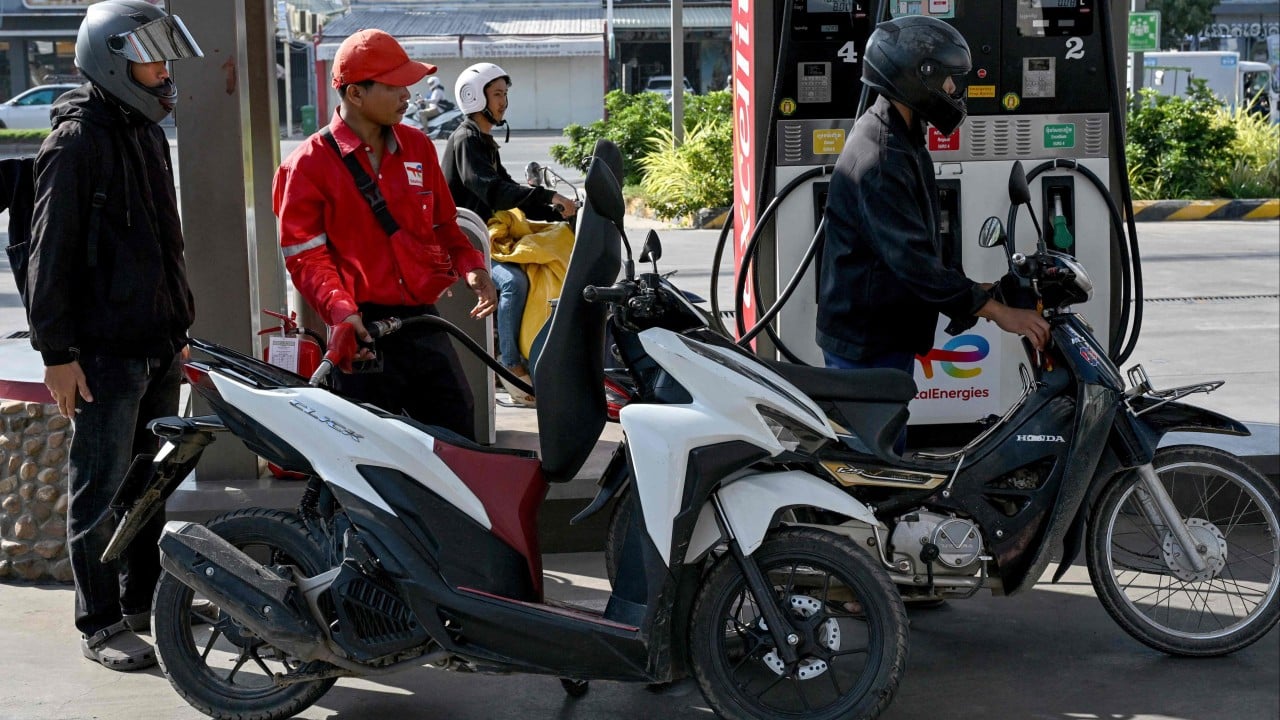
The headlines are screaming about a "crisis." They point at shuttered independent petrol stations in rural Cambodia and a desperate surge in imports from Singapore and Malaysia as signs of a system on the brink of collapse. They tell you that supply chains are breaking and that the Cambodian energy sector is gasping for air.
They are wrong.
What the mainstream media calls a "crisis" is actually a long-overdue market correction. The closure of small, inefficient, and often under-regulated petrol stations isn't a failure of the economy; it’s the violent, necessary birth of a modern retail infrastructure. If you’re looking at the uptick in refined fuel imports from Singapore and Malaysia as a "stop-gap measure," you’ve already lost the plot.
This isn't a temporary spike. It is the permanent consolidation of the Southeast Asian energy corridor.
The Efficiency Trap of the Independent Station
For years, the Cambodian fuel market was propped up by a fragmented network of independent operators. These stations functioned on razor-thin margins, often bypassing stringent quality controls and environmental standards to stay afloat. When global oil prices fluctuated or the government tightened the screws on compliance, these "mom-and-pop" pumps folded.
The narrative suggests this is a blow to the rural economy. In reality, it is the removal of a systemic bottleneck.
Large-scale importers like PTT, TotalEnergies, and Tela aren't just filling a vacuum; they are implementing an economy of scale that the Cambodian market has lacked for decades. The reliance on Singapore and Malaysia for refined products—gasoline, diesel, and jet fuel—is not a sign of weakness. It is a strategic acknowledgment that domestic refining in a small market is a fiscal suicide mission.
I have watched companies burn through tens of millions trying to "localize" production in regions where the midstream infrastructure simply doesn't support it. Cambodia doesn't need a refinery. It needs a world-class terminal and distribution network.
Why Singapore and Malaysia Are the Only Real Options
Critics argue that over-reliance on the Singaporean hub leaves Cambodia vulnerable to price shocks. They suggest "diversifying" sources to include land-based routes from neighboring Thailand or Vietnam.
This is amateur hour logic.
Singapore remains the undisputed pricing benchmark for the region for a reason: transparency and liquidity. When you import from Singapore, you are buying into a standardized, high-volume ecosystem. Malaysia, with its robust state-backed Petronas infrastructure, offers a similar level of reliability.
Trying to bypass these hubs to "save" on transport costs ignores the hidden taxes of land-border corruption, fuel adulteration, and the sheer logistical nightmare of trucking massive volumes across porous borders. The "expensive" fuel from Singapore is actually the cheapest fuel when you factor in the cost of engine failure and supply chain disruptions.
The Ghost of Energy Independence
The most dangerous misconception in the current discourse is the "Energy Independence" fallacy. Politicians love to talk about it because it sounds patriotic. In practice, for a nation of Cambodia’s size and geographic position, energy independence is a recipe for poverty.
Building a domestic refinery today—given the global shift toward electrification and the massive capital expenditure required—would be like building a world-class typewriter factory in 1995. You are locking yourself into a dying technology with a thirty-year debt cycle.
By boosting imports from Singapore and Malaysia, Cambodia is staying nimble. It is treating fuel as a commodity to be traded, not a sacred resource to be hoarded. This allows the nation to pivot its capital toward grid modernization and EV infrastructure rather than sinking it into the literal ground through outdated refining processes.
Data Over Drama: The Real Import Numbers
Look at the trade balance. While the volume of imports is increasing, the value-add to the Cambodian economy is shifting. We are seeing a transition from "importing to survive" to "importing to power growth."
- Refined Petroleum: Up significantly, but feeding a surge in construction and manufacturing.
- Infrastructure Investment: Shifted from retail kiosks to high-capacity storage tanks.
- Market Share: Migrating from 1,000 fragmented owners to 5-10 hyper-efficient conglomerates.
The closure of those 50 or 100 stations you read about? That’s not a shortage. That’s a cleaning of the house.
The Hidden Advantage of High Prices
Everyone hates paying more at the pump. But in an emerging economy, artificially low fuel prices are a poison. They encourage waste, discourage the adoption of efficient logistics technology, and drain the national treasury through subsidies.
The current price environment is forcing Cambodian logistics firms to do something they’ve avoided for years: optimize.
I’ve consulted for freight companies that were running trucks half-empty because fuel was cheap enough that it didn't matter. Now? They are adopting route-optimization software, upgrading to Euro 5 engines, and firing drivers who idle for three hours a day. The "fuel crisis" is the single greatest driver of operational excellence Cambodia has seen in a decade.
The Strategy You Should Actually Follow
If you are operating in this space, stop mourning the death of the independent station and start betting on the "Hub and Spoke" model.
- Direct-to-Bulk Sourcing: If your business consumes more than 50,000 liters a month, stop buying from retail stations. Build your own storage and buy direct from the Singapore-linked importers. The "retail premium" is where the waste lives.
- Digital Custody Chains: The biggest risk in the current import surge isn't price—it's theft. As volumes increase, so does "shrinkage." Use IoT-enabled sensors on every tank. If you aren't tracking your fuel to the milliliter, you are being robbed.
- Hedge, Don't Hoard: Do not try to beat the market by stockpiling six months of fuel. You aren't a commodity trader. Use financial instruments or fixed-price contracts with major suppliers to manage your risk.
The "station closures" are a distraction. The "import surge" is a sign of a maturing market. The only real crisis is the one happening in the minds of analysts who think the 20th-century model of energy distribution is coming back.
It isn't.
Cambodia is finally plugging into the global energy grid, and it’s going to be a brutal, efficient, and highly profitable transition for anyone smart enough to stop complaining about the price of gas.
Stop looking for the return of the local pump and start figuring out how to thrive in a world where Singapore is your gas station.