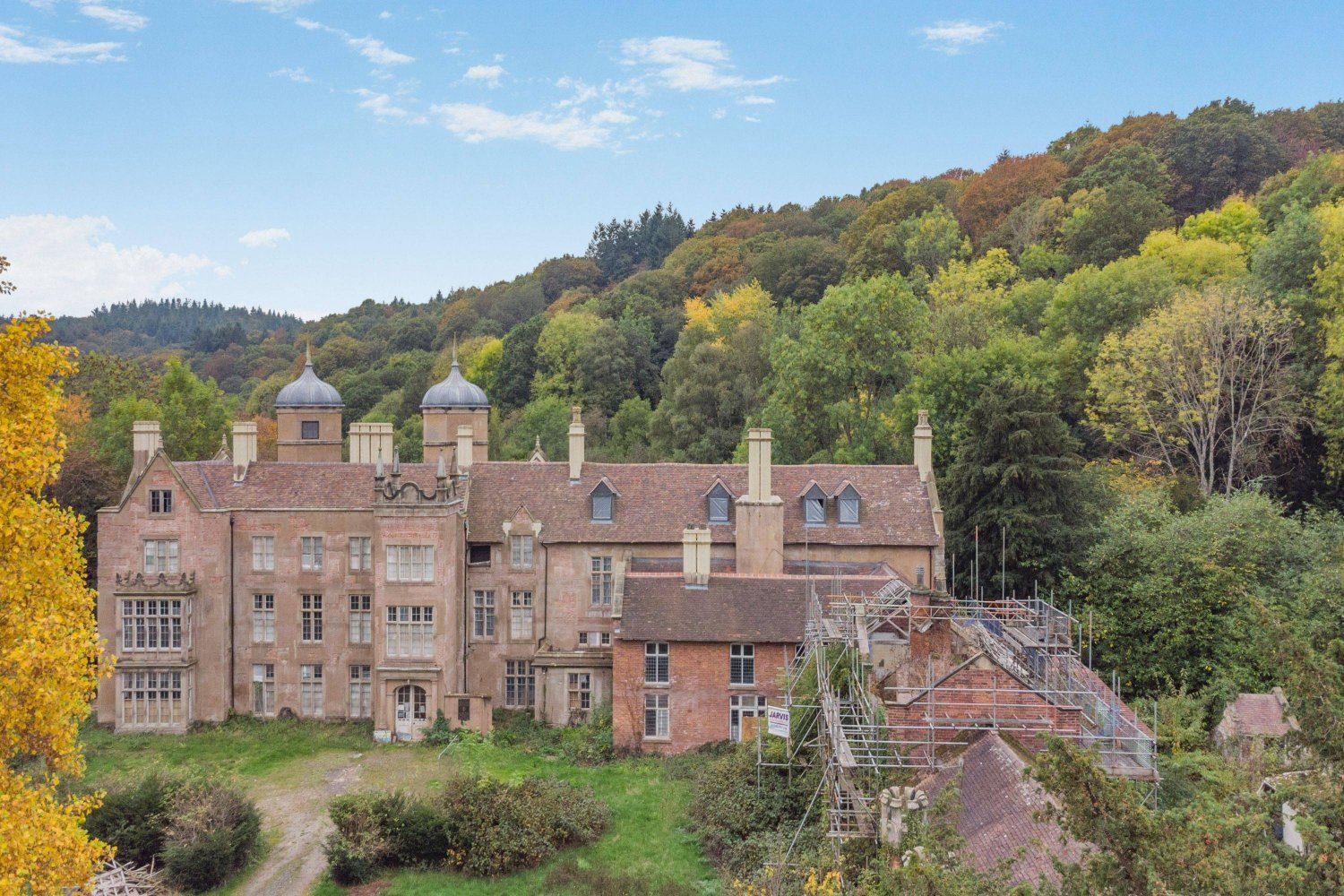
Building a 20-bedroom mansion sounds like the ultimate power move. It’s the kind of project that screams you’ve made it. But for one prominent property tycoon, that dream turned into a nightmare that sucked millions of dollars down a black hole. It’s a classic case of ego over-leveraging and a fundamental misunderstanding of how the luxury real estate market actually functions.
Most people think real estate is a safe bet. They’re wrong. When you get into the "mega-mansion" territory, the rules of normal housing don't apply. You aren't building a home anymore. You’re building a highly illiquid asset that almost nobody wants to buy.
The story of this 20-bedroom disaster isn't just about a bad floor plan. It's about the brutal reality of maintenance costs, niche buyer pools, and the crushing weight of debt when a project stalls. If you're looking at a massive development, you need to understand why these "trophy" assets often become anchors that drag even the wealthiest investors under.
The Myth of the Infinite Buyer Pool
The biggest mistake this tycoon made was assuming there’s a line of billionaires waiting to buy a 20-bedroom house. There isn't. Think about it. Who actually needs twenty bedrooms?
Even the ultra-wealthy usually stop at six or eight. Beyond that, you’re looking at a boutique hotel or a corporate retreat, but the zoning for these residential lots rarely allows for commercial use. By building something so specific and so massive, the developer effectively shrunk their potential market to near zero.
When you build for everyone, you build for no one. This property became a "white elephant." It’s a term for a possession that costs more to keep than it's worth. In the high-end market, if a house doesn't sell within the first six months, it starts to smell like failure. The price cuts begin. Then the sharks start circling.
Maintenance is a Silent Killer
You don't just "own" a 20-bedroom mansion. You serve it. The overhead on a property of this scale is staggering. We’re talking about six-figure monthly bills just to keep the lights on and the pool clean.
Property taxes on a massive estate are relentless. Even if the house sits empty, you're paying. Insurance premiums for "high-risk" luxury builds have skyrocketed in recent years. Then there's the staff. You need a team of people just to stop the place from falling apart. Dust, mold, and mechanical failures don't care if you're a tycoon. They happen anyway.
When the project hit delays, those carrying costs didn't stop. They compounded. For every month the mansion stayed unfinished, the developer lost more ground. It’s a race against time that most people lose because they underestimate the "burn rate" of a dormant construction site.
Why Banks Love to Hate Mega Developments
Banks aren't your friends. They’re your partners until things get slightly uncomfortable. In this specific case, the financing was the first thing to crumble.
Lenders hate "unique" properties. They like things they can value easily. A three-bedroom suburban home? Easy. A 20-bedroom custom estate with a gold-plated bowling alley? Impossible to appraise. When the market shifted, the bank looked at the unfinished shell and realized the collateral wasn't worth the loan.
They called the debt.
This is where the "millions lost" part of the headline comes from. It’s rarely just about the cost of bricks and mortar. It’s about the interest. It’s about the penalties. It’s about being forced to sell at the worst possible time because the bank has lost patience.
The Psychological Cost of a Failed Trophy
There’s an ego component here that people rarely talk about. For a property tycoon, a project like this is a calling card. It’s a statement of dominance. When it fails, it isn't just a financial hit; it’s a reputation killer.
I’ve seen developers double down on losing hands because they couldn't admit they were wrong. They keep pouring good money after bad, hoping a "vulture" investor won't come along and snatch it for pennies on the dollar. But the vultures always come. They know you're desperate. They know the bank is breathing down your neck.
Lessons for the Modern Investor
If you're looking at the luxury market, you have to be smarter than the guy who lost it all on a 20-bedroom whim. Success in real estate isn't about the biggest house. It's about the most liquid house.
Focus on "Right-Sizing" The sweet spot for luxury is often 5,000 to 8,000 square feet. Anything larger starts to become a liability. You want a house that a successful surgeon or a tech VP can afford, not just a Saudi prince.
Watch the Debt-to-Equity Ratio Never build a trophy asset with 90% leverage. If the market dips by 10%, you're wiped out. The tycoon in this story likely had too much "other people's money" in the deal and not enough of his own skin in the game to survive a downturn.
Verify the Exit Strategy Before you break ground, you need to know exactly who is going to buy the finished product. If your answer is "a wealthy foreigner," you're gambling, not investing.
Factor in the "Unfinished" Penalty A house that is 90% done is worth significantly less than 90% of its final value. Buyers want "turn-key." They don't want to deal with your half-finished plumbing and permits. If you can't finish it, you're going to take a massive haircut on the sale price.
Real estate is a game of math, not emotions. This tycoon let his ambition outpace the data. He built a monument to himself and ended up paying millions for the privilege of watching it fail.
Avoid the "more is better" trap. In the world of high-end property, sometimes more is just a faster way to go broke.
Before you even think about scouting a plot for a massive development, run a "stress test" on your finances. Assume the project takes twice as long and costs 30% more than your worst-case scenario. If you can't survive that, don't build. Start by reviewing your current portfolio for any "white elephants" that are draining your cash flow and get rid of them before the market turns.