Vandalizing a garden isn't a revolution. It’s a PR campaign for the bored.
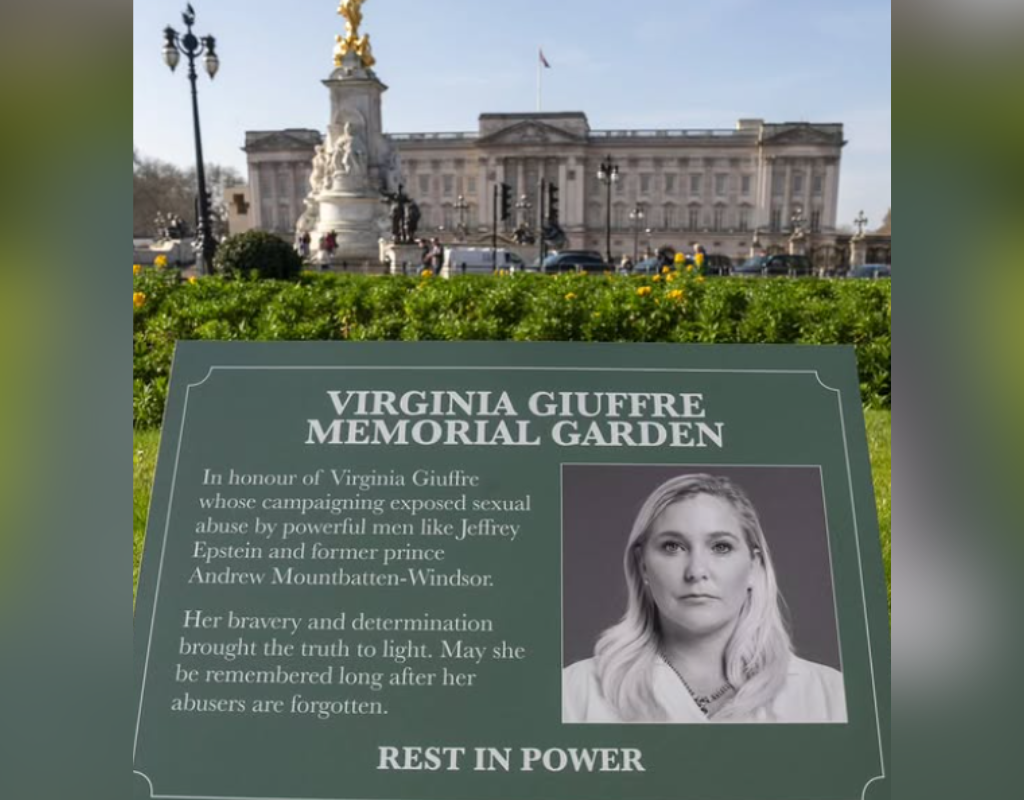
The recent "guerrilla installation" of memorial plaques for Virginia Giuffre within the Buckingham Palace grounds has been hailed by the usual suspects as a brave act of truth-telling. It isn't. It is a masterclass in symbolic fatigue—the exhausting trend of substituting high-vis vests and adhesive for actual legal or systemic pressure. While the headlines scream about "protestors infiltrating the crown," the reality is a group of activists playing a high-stakes game of hide-and-seek that changes exactly zero for the victims of human trafficking.
We are living in an era where the gesture has become more important than the result. If you want to take down an institution, you follow the money or the law. You don't glue a piece of metal to a bench and hope the King feels a pang of conscience while walking his corgis.
The Myth of the "Silent Message"
The competitor narrative suggests these plaques "break the silence" surrounding Prince Andrew and his ties to Jeffrey Epstein. This is a fundamental misunderstanding of how power operates in 2026. The silence wasn't broken by a plaque; it was shattered years ago by depositions, flight logs, and a disastrous Newsnight interview that serves as a permanent digital monument to incompetence.
The public knows. The internet knows. The Palace knows.
Adding a physical marker to a private garden doesn't provide new information. It provides a photo op. When activists prioritize the "grammable" moment over the legal grind, they shift the focus from the victim’s plight to the activist’s daring. We have traded the hard work of lobbying for the dopamine hit of a viral stunt.
Security Theater and the False Narrative of Infiltration
The media is obsessed with the "security breach" aspect of this story. It’s a lazy angle. Anyone who has worked in high-level private security knows that "infiltrating" a public-facing garden during visiting hours isn't Mission Impossible. It’s a failure of optics, not a threat to the state.
By framing this as a daring heist, the press elevates a group of trespassers to the status of folk heroes. This distracts from the uncomfortable truth: Virginia Giuffre’s settlement was a legal maneuver designed to end public scrutiny. A plaque doesn't reopen a settled civil case. It doesn't trigger a criminal investigation.
If these protestors were serious about "justice," they wouldn't be in a garden. They would be outside the Home Office. They would be funding legal challenges to the non-disclosure agreements that still protect the names in Epstein’s black book. Instead, they chose the path of least resistance and maximum visibility.
The Economy of Symbolic Protest
Let’s talk about the "Lazy Consensus." The consensus is that any awareness is good awareness. I’ve seen organizations burn through millions of dollars in donor capital on "awareness campaigns" that move the needle exactly zero percent.
Justice is a process of attrition. It is boring. It involves $500-an-hour lawyers, thousands of pages of discovery, and years of waiting. Protestors who install plaques are seeking a shortcut to that catharsis. They want the feeling of victory without the decade of work.
The result? The public feels a momentary jolt of "Good for them!" and then goes back to scrolling. The Palace waits for the evening shift to remove the plaque with a screwdriver and some Goo Gone. The status quo remains entirely undisturbed because the "attack" was purely aesthetic.
Why the Palace Loves These Stunts
The Royal Family’s greatest asset isn't their wealth; it’s their ability to absorb criticism and turn it into background noise. By allowing—or failing to prevent—these minor acts of defiance, the institution actually reinforces its own permanence.
When a protest is this small, this temporary, and this easily erased, it highlights the protestors' impotence. It says, "You can put a sticker on our walls, but we still own the walls."
Real disruption looks like the 1990 Poll Tax Riots or the legal persistence of the Windrush campaigners. Those weren't "installations." They were existential threats to policy. A plaque is a footnote. It’s the equivalent of a "Change.org" petition made of brass. It’s meant to make the activist feel better, not to make the subject change.
The Victim-Centric Fallacy
There is a disturbing trend of using a victim’s name as a brand for unauthorized activism. Did Virginia Giuffre ask for these plaques? Is her trauma being leveraged to boost the profile of a specific activist group?
When we turn a living person's history into a tool for "guerrilla marketing," we risk further dehumanizing them. The "memorial" implies a finality that doesn't exist. Giuffre is alive; the case is "settled" in the eyes of the law, yet the activists treat her story like a relic to be displayed.
This isn't empathy. It’s appropriation.
Stop Applauding the Bare Minimum
If you find yourself cheering for the "bravery" of these protestors, ask yourself what they actually achieved.
- Did they pressure the Metropolitan Police to reopen the investigation? No.
- Did they force a statement from the King? No.
- Did they provide resources for survivors of abuse? No.
They provided a headline for a slow news day.
If we want to dismantle the protections afforded to the powerful, we have to stop being distracted by shiny objects. The "memorial plaques" will be in a trash bin by Tuesday. The institutional protection of the elite will remain.
The only way to win is to stop playing the game of symbols. Stop the stunts. Start the lawsuits. If the activists spent as much time on a witness stand as they do on a garden bench, we might actually see a change in the hierarchy.
Until then, you're just decorating the enemy's lawn.