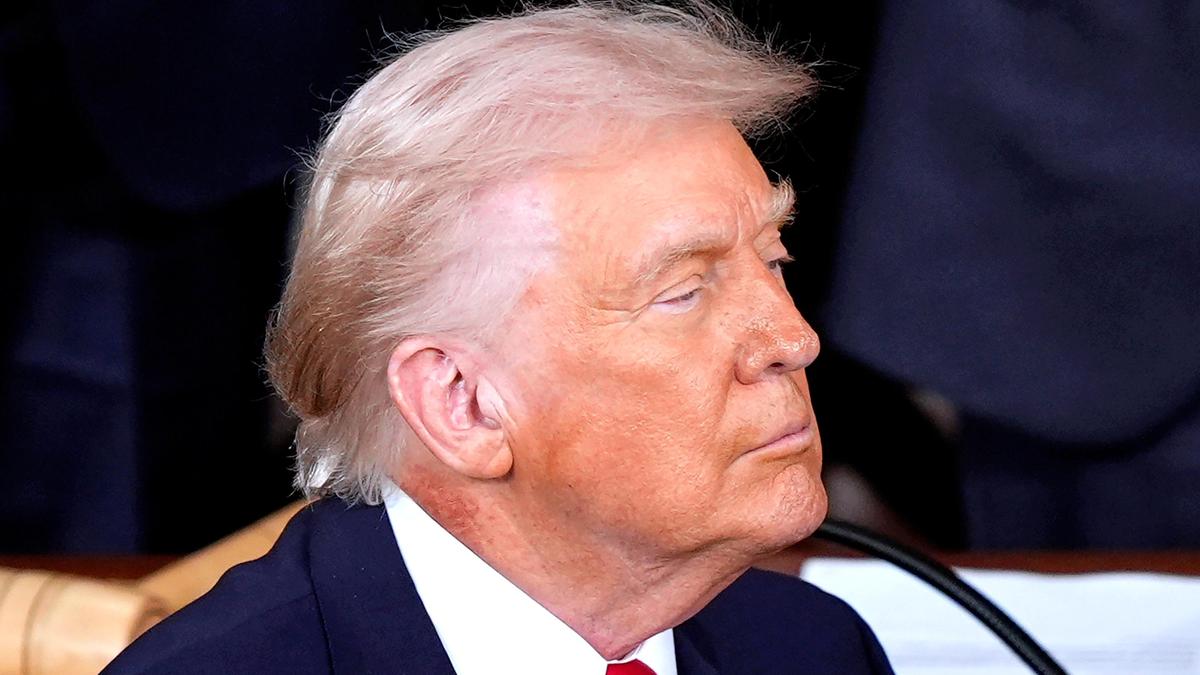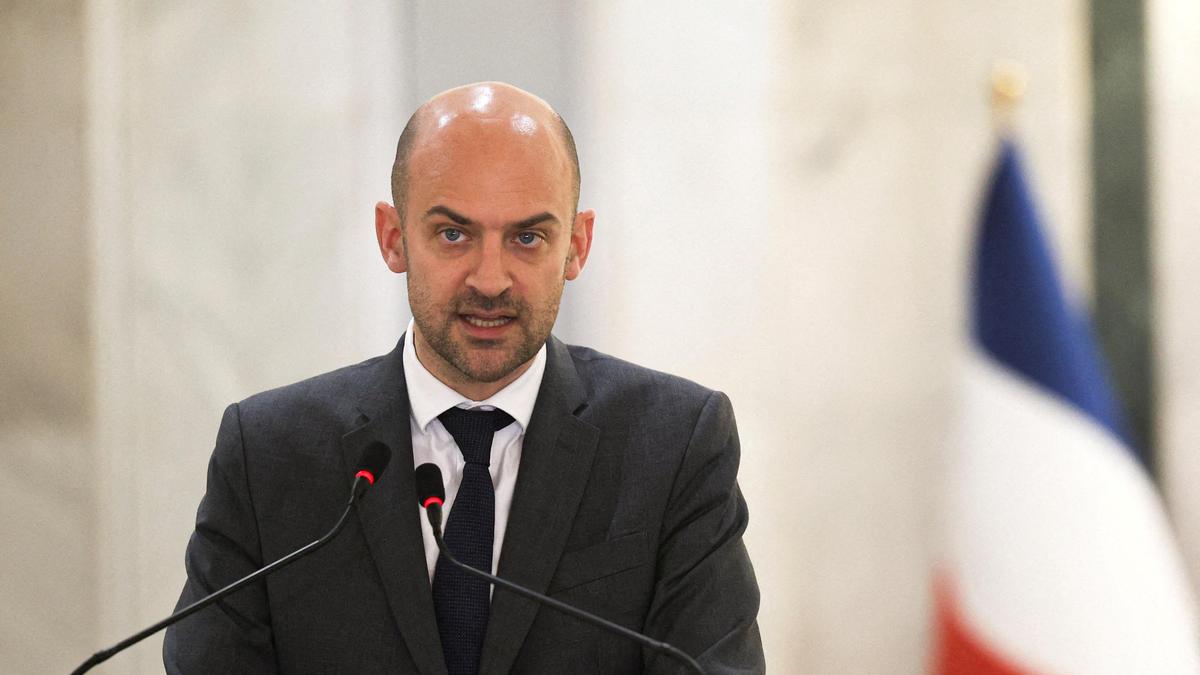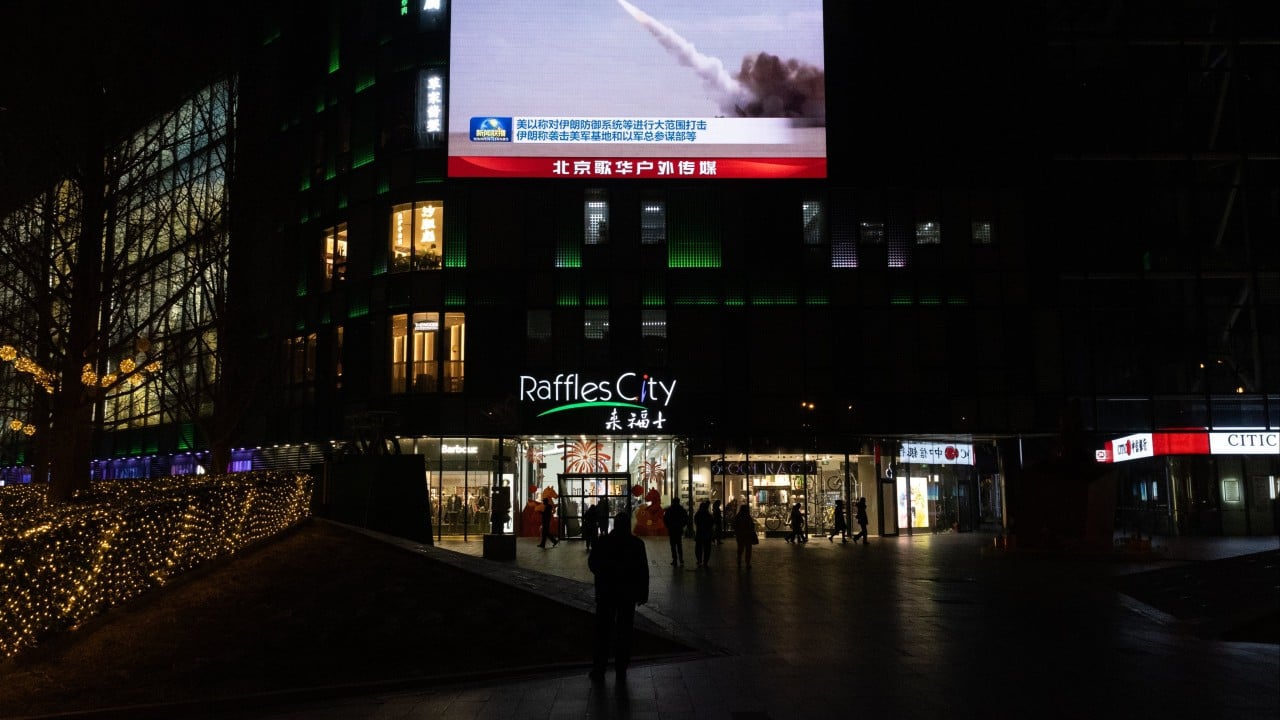
The white house calls it a victory, but the math suggests a ransom. As smoke rises over the Iranian heartland following the U.S.-Israeli strikes of Operation Epic Fury, the much-vaunted trade detente between Donald Trump and Xi Jinping isn't just weathering the storm; it is being forged by it. Washington has bet the farm on a high-stakes pivot, trading Middle Eastern stability for a temporary cooling of the Pacific.
The core premise is simple yet devastating. By intensifying military pressure on Tehran, the Trump administration has effectively backed China into a corner where its energy security—historically its Achilles' heel—is now a daily variable controlled by the U.S. Navy. In exchange for not turning off the global oil tap, Beijing is being forced to swallow a "substantial framework" that looks less like a free-trade agreement and more like a managed surrender.
The Geopolitical Shakedown
To understand why the trade war suddenly went quiet while the Middle East got loud, you have to look at the numbers the Treasury Department won't put in a press release. China currently imports roughly 80% of Iran’s shipped oil. This represents nearly 13% of their total seaborne imports. By launching strikes that crippled Iranian infrastructure and reportedly neutralized Supreme Leader Ali Khamenei, the U.S. didn't just target a regime; it held a knife to the throat of the Chinese industrial machine.
Beijing's response has been uncharacteristically muted. There are no retaliatory tariffs on American soybeans this time. Instead, we see a commitment to purchase 25 million metric tons of them annually. The reason is leverage. In a world where the U.S. can vaporize a primary energy supplier over a weekend, arguing about intellectual property theft feels like a luxury Xi can no longer afford. The "Phase One" spirit has been resurrected not out of mutual respect, but out of a shared realization that a total rupture during a hot war in the Gulf would be catastrophic for both.
Rare Earths and the Hidden Weapons Cache
While the headlines focus on missiles and oil, the real battle is being fought in the periodic table. For years, China’s "ace of spades" has been its stranglehold on rare earth elements. During the 2025 escalations, Beijing choked off exports of gallium and germanium, sending Western defense contractors into a tailspin.
The current detente hinges on a fragile exchange. Trump agreed to lower the average tariff rate from 57% to 47%. In return, China has "delayed and reexamined" its export controls on the minerals required to build the very Tomahawk missiles currently hitting Tehran. It is a cynical, circular economy of war. Washington provides the military hardware that threatens China's energy, while Beijing provides the raw materials to keep that hardware in production.
This isn't a sustainable peace. It is a tactical pause. The U.S. is burning through its munitions stockpiles at a rate that makes the Pentagon nervous. Last year, shipments to Ukraine were halted because the cupboards were bare. Now, with a new front open in Iran, the U.S. is more dependent on Chinese supply chains for its defense industry than at any point in the last decade.
The Mirage of Decoupling
For all the talk of "decoupling," the reality on the ground in 2026 is one of desperate re-coupling. The Trump administration recently greenlit the sale of Nvidia’s advanced H200 chips to Beijing—a move that would have been unthinkable eighteen months ago. Simultaneously, the TikTok saga ended with a deal that keeps control firmly in the hands of ByteDance, a quiet admission that the U.S. cannot afford a full-scale tech war while it is managing a kinetic one in the Middle East.
Financial markets are currently pricing in a "contained conflict," but they are ignoring the structural rot. Oil prices have jumped 10%, yet the S&P 500 remains buoyant. This optimism rests on the belief that the U.S.-China trade truce will hold through the year. It assumes that Xi will continue to "eat bitterness" and that Trump will prioritize a stable stock market over his "maximum pressure" instincts.
The Regional Casualty
The biggest loser in this G2 handshake is the concept of a multipolar Middle East. China’s much-touted role as a mediator—celebrated after the 2023 Saudi-Iran rapprochement—has evaporated. When the missiles flew, Beijing didn't send a carrier group; it sent a sternly worded letter and evacuated its nationals.
This retreat exposes the limits of Chinese power. They can build ports and buy oil, but they cannot provide a security umbrella. As the U.S. reasserts its dominance through sheer force, the Gulf states are recalibrating. Saudi Arabia and the UAE, once flirting with the BRICS bloc, are watching the smoke over Tehran and realizing that, for now, the world still runs on American "Epic Fury."
The Inevitable Pivot
The current detente is a facade. It is a marriage of convenience between a president who needs a booming economy for his legacy and a chairman who needs to keep the lights on. The structural forces of competition remain. China is still sprinting toward AI supremacy, and the U.S. is still determined to block their path.
The Iran strikes didn't settle the trade war. They simply moved the goalposts. By proving it can and will dismantle a major regional power, the U.S. has gained a temporary seat at the head of the table. But every missile fired is a reminder to Beijing that they must find a way to break their energy dependence on the West.
Would you like me to analyze the specific impact of these rare earth export delays on the U.S. defense budget for the next fiscal year?