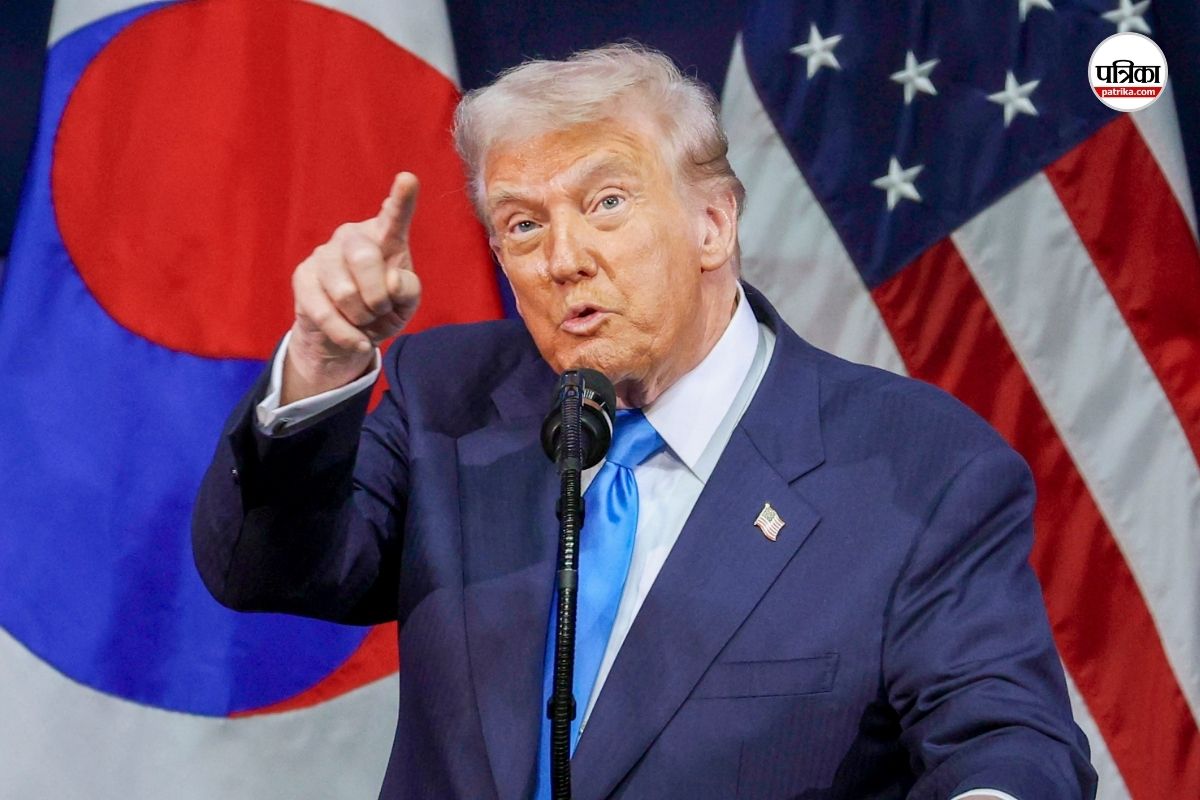
Donald Trump just dropped a policy hammer that could dismantle the global pharmaceutical supply chain as we know it. By threatening a 100% tariff on foreign-made medications, the administration is betting that a protectionist wall will force manufacturing back to American soil. The immediate fallout? A potential price explosion for the average consumer and a localized crisis for the Indian pharmaceutical sector, which currently provides nearly 40% of the generic drugs sold in the United States. This isn't just a trade skirmish. It is a fundamental shift in how the world accesses life-saving medicine.
The Illusion of Reshoring Essential Medicine
Washington argues that American dependence on foreign drug labs is a national security risk. They are right about the risk but potentially disastrously wrong about the remedy. Decades of globalization weren't a mistake made by bored bureaucrats; they were a calculated move by corporate giants to drive down production costs. Moving a massive chemical synthesis plant from Hyderabad to Ohio isn't like opening a new coffee shop. It requires years of environmental permits, specialized labor, and billions in capital expenditure.
A 100% tax on imported pills acts as a sudden, violent disruption to a system that operates on razor-thin margins. If a bottle of generic blood pressure medication costs $10 to import today, it will cost $20 tomorrow. The manufacturer doesn't just eat that cost. The patient does. Or the insurance company does, which then raises premiums on the patient anyway.
The Indian Pharmacy Under Siege
India earned the title "the world’s pharmacy" for a reason. Its facilities are scaled to produce billions of doses of ibuprofen, insulin, and oncology drugs at prices the West cannot match. For Indian giants like Sun Pharma, Dr. Reddy’s, and Cipla, the United States is their most lucrative market. A 100% tariff is effectively a "Keep Out" sign.
However, the panic in Mumbai’s boardrooms is mirrored by a different kind of fear in American hospitals. If Indian imports are choked off before domestic capacity is built—a process that takes five to ten years—the U.S. faces a terminal shortage of basic antibiotics and saline drips. You cannot build a sterile, FDA-compliant manufacturing facility overnight. The math simply doesn't add up for a quick transition.
Why Quality Might Tank as Prices Soar
In the rush to satisfy "Made in America" mandates, there is a legitimate concern regarding regulatory oversight. The FDA already struggles to inspect overseas plants frequently enough. If hundreds of new, smaller domestic plants sprout up to grab government subsidies, the inspection cycle could be stretched to the breaking point.
We often assume that "domestic" means "safer." History suggests otherwise. Quality is a byproduct of rigorous standards and experienced personnel, not geography. By forcing a localized monopoly through tariffs, the administration removes the competitive pressure that often keeps manufacturers disciplined. When there is no alternative source for a drug, the producer has little incentive to keep costs low or quality impeccable.
The Raw Material Trap
The most significant oversight in the tariff logic is the Active Pharmaceutical Ingredient (API). Even if a pill is "made" in a factory in Pennsylvania, the chemical components used to create that pill almost certainly come from China or India.
Targeting the finished product while the raw ingredients remain outsourced is like taxing imported bread while ignoring the fact that you have no flour. If the tariffs extend to APIs, the cost of "American-made" drugs will still skyrocket because the base materials will be doubled in price. If they don't tax APIs, the policy is toothless, as companies will simply perform the final "pressing" of the pill on U.S. soil to bypass the tax while still relying on foreign chemistry.
The Collateral Damage of Trade Warfare
This policy treats medicine like steel or aluminum. It isn't. If a shipment of steel is delayed by a trade dispute, a bridge takes longer to build. If a shipment of pediatric leukemia drugs is delayed or priced out of reach, children die.
The retaliatory potential here is massive. If India or the EU decides to fire back with tariffs on American medical devices or patented high-end biologics, the R&D engines of Pfizer and Moderna take a direct hit. We are looking at a race to the bottom where the only losers are the people sitting in waiting rooms.
- Generic drug costs could double for the uninsured within six months of implementation.
- Pharmacy Benefit Managers (PBMs) will likely use the tariffs as an excuse to delist certain medications, further restricting patient choice.
- Hospital systems with fixed budgets will be forced to ration care or cut staff to cover the rising cost of their pharmacy departments.
The Bankruptcy of a One-Size-Fits-All Tariff
A veteran analyst knows that complexity is the enemy of the populist soundbite. A 100% tariff is a blunt instrument being used for a surgical problem. The pharmaceutical industry is a web of intellectual property, chemical sourcing, and international logistics. Applying a flat tax to this ecosystem is akin to fixing a watch with a sledgehammer.
The administration believes this will create jobs. It might create some. But the cost per job created, when measured against the increase in national healthcare spending, will be astronomical. We are talking about a hidden tax on the sick to fund a political narrative of self-reliance.
A System Braced for Impact
Investors are already shifting capital. Forward-looking firms are looking at Southeast Asian hubs that might negotiate "friendly" trade status to act as pass-throughs, though the Trump administration has signaled it will be aggressive in closing these loopholes. The legal challenges will be swift and relentless. Trade lawyers are currently scouring the GATT and WTO frameworks to find grounds for injunctions, but by the time those cases clear the courts, the market will have already been upended.
The reality is that the U.S. healthcare system is built on the back of globalized efficiency. Pulling that plug doesn't just reset the system; it breaks it. Patients who rely on cheap generics for chronic conditions—diabetes, hypertension, heart disease—are about to become the frontline soldiers in a trade war they never asked for.
If you are holding a prescription today, look at the label. If the origin says "Made in India," you are looking at a product that is about to become a luxury item. Prepare your wallet, because the era of the affordable generic is being sacrificed on the altar of the tariff bomb.