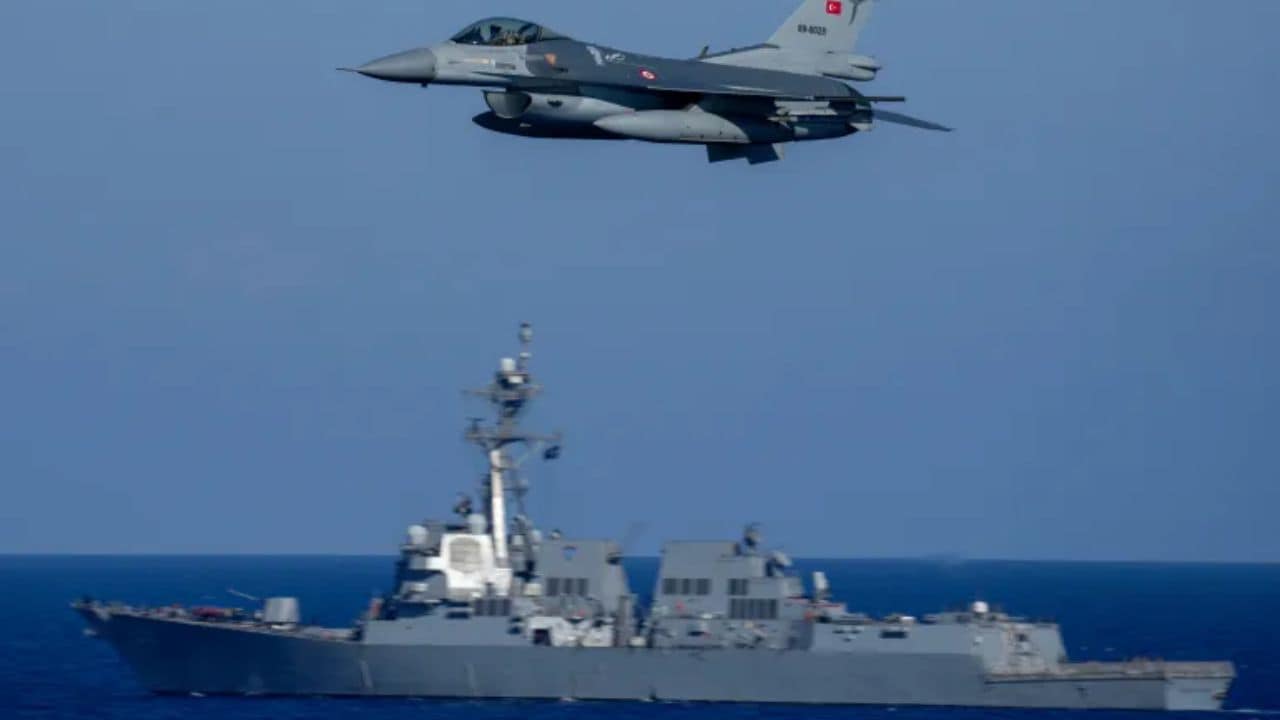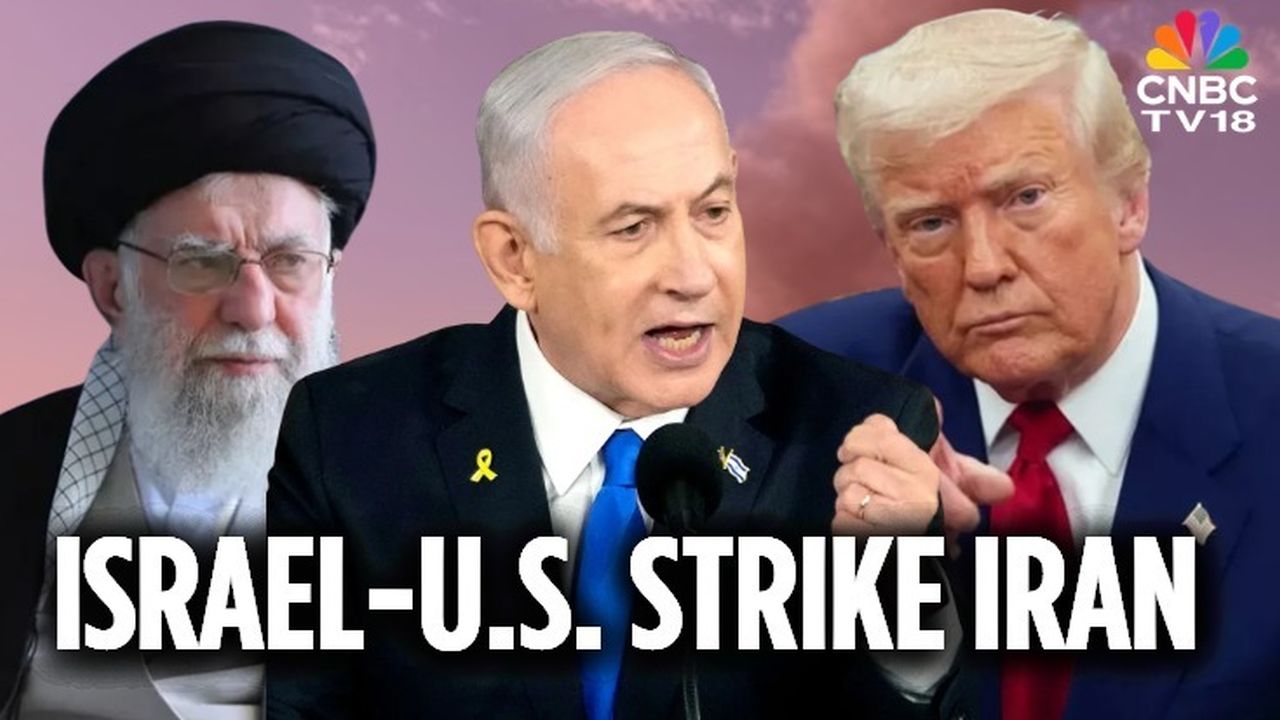
The United States Senate just handed President Donald Trump a blank check for a war that officially does not exist. On Wednesday, a 47-53 vote effectively buried a war powers resolution that would have required the administration to seek congressional authorization for ongoing strikes against Iran. The failure of this measure ensures that Operation Epic Fury—a campaign of air and naval strikes—will continue without the legislative branch exerting its constitutional oversight. This isn’t just a procedural loss for the anti-war faction; it is a total abdication of the power to declare war, shifting the scales of American governance further toward a permanent, unchecked executive.
While the vote was largely anticipated, its narrow margin and the political maneuvering behind it reveal a deeper rot in the relationship between the White House and Capitol Hill. The resolution, spearheaded by Senator Tim Kaine (D-VA) and supported by Republican outlier Rand Paul, sought to force the removal of U.S. forces from hostilities that have not been sanctioned by a formal declaration. Instead, the status quo remains. The missiles will keep flying, the budgets will keep ballooning, and the American public will remain largely in the dark about the endgame.
The Constitutional Hollow Out
The War Powers Act of 1973 was designed precisely for this moment. It was meant to be the "break glass in case of emergency" tool to prevent a president from drifting into a conflict without the consent of the people’s representatives. Yet, in the modern era, the act has been treated more like a suggestion than a statute. Secretary of State Marco Rubio made the administration’s position clear when he remarked that no administration has truly accepted the act as constitutional.
This isn't just about partisan loyalty. It is about a fundamental shift in how the U.S. enters combat. By framing the current conflict as a "limited operation" rather than a "war," the Trump administration has effectively bypassed the need for a vote. Senate Majority Leader John Thune argued that the President was "perfectly within his rights," citing the actions of previous administrations as a legal shield. It is a classic Washington maneuver: if everyone else broke the rules before, the rules no longer matter.
The reality on the ground contradicts the "limited" label. We are five days into a massive military operation that has already claimed the lives of U.S. service members and hundreds of Iranians. When you are sinking warships and hitting nuclear facilities, the distinction between a "strike" and a "war" is a semantic game played for the benefit of cable news.
Shifting Goalposts and Mission Creep
One of the most concerning aspects of the Senate’s failure to act is the lack of a defined objective. On Saturday, the justification was "imminent threats." By Monday, the narrative shifted to "malign behavior." Now, Defense Secretary Pete Hegseth suggests the operation is "just getting started" and could last eight weeks or more.
History is a cruel teacher when it comes to eight-week timelines in the Middle East. We saw it in Iraq. We saw it in Afghanistan. The goals have already begun to morph.
- Initial Goal: Deterring an imminent attack.
- Secondary Goal: Stripping Iran of its nuclear capabilities.
- Current Trajectory: Crippling the Iranian navy and missile programs.
This is the definition of mission creep. When the mission changes every seventy-two hours, it is impossible for Congress to provide meaningful oversight. Yet, the Senate majority has decided that trust is a better strategy than verification. Senator Todd Young (R-IN), once a potential supporter of the resolution, flipped his vote after intense White House pressure, claiming that limiting options now would increase danger. This logic creates a self-fulfilling prophecy: we cannot stop the war because we are already in it.
The Munitions Crisis Hidden in the Headlines
Beyond the political theater in the Senate chamber, a more practical and terrifying reality is unfolding. The United States is burning through its arsenal at an unsustainable rate. Senator Chris Coons (D-DE) has already noted that "billions of dollars worth of munitions" have been fired.
This isn't just a matter of writing a bigger check. The defense industrial base is struggling to keep up. Reports indicate that stockpiles of interceptor missiles, like the SM-3, have been significantly depleted. During the brief conflict in June 2025, the U.S. used a staggering 25% of its THAAD interceptors.
| Munition Type | Estimated Stockpile Level | Cost per Unit |
|---|---|---|
| SM-3 Interceptor | Down 33% | $12M - $28M |
| THAAD Interceptor | Critically Low | $12M+ |
| Patriot Missiles | 25% of required capacity | $4M |
If the conflict expands, the U.S. could find itself in a position where it lacks the defensive hardware to protect its own bases and allies from a concentrated Iranian retaliation. The Senate didn't just vote for a war; they voted for a war we might not be equipped to sustain for the long haul.
The Lone Dissenters and the Midterm Shadow
The vote tally of 47-53 was remarkably clean, with only two senators crossing party lines. Rand Paul (R-KY) stood alone on the Republican side, lamenting a Congress "without ambition." On the Democratic side, John Fetterman (D-PA) broke ranks to side with the administration, a move that signals his continued drift toward a more hawkish foreign policy.
These votes are being cast with one eye on the upcoming midterm elections. A Reuters/Ipsos poll shows that only one in four Americans actually approves of the strikes on Iran. Half of the country believes the President is too willing to use force. By blocking this resolution, Senate Republicans have tied their political fortunes to the success of Operation Epic Fury. If the war ends quickly, as Senator Jim Risch predicts, they will look like visionaries. If it devolves into another "forever war," they will be the ones who refused to pull the emergency brake.
Strategic Ambiguity or Total Confusion
The administration’s refusal to rule out ground troops is the ultimate "gray area" in this conflict. While Senator Josh Hawley (R-MO) insists that ground troops would require a new authorization, the precedent set by Wednesday’s vote suggests otherwise. If the President can unilaterally launch a weeks-long air and naval campaign, the legal barrier for "stabilizing forces" on the ground is paper-thin.
The Senate has opted for a "wait and see" approach while the bombs are already falling. It is a dangerous gamble that assumes the adversary will play by the same rules of engagement. Iran has already shown it can hit U.S. assets, as evidenced by the casualties in Kuwait.
This vote was the last real chance for the legislative branch to assert its relevance in the most consequential decision a government can make. By choosing to step aside, the Senate didn't just support a series of strikes; it validated a new era of American foreign policy where the executive branch operates as a sovereign entity in the theater of war. The House of Representatives will hold its own vote on Thursday, but the outcome there is expected to be a mirror image of the Senate’s surrender.
The drums of war are beating, and for the first time in a generation, the people’s representatives have decided they would rather not hear them.
Would you like me to analyze the specific legal precedents the Trump administration is using to justify bypassing the War Powers Act?