Pakistan has effectively tripled the tax on high-octane fuel as the closure of the Strait of Hormuz transforms a regional military conflict into a domestic economic emergency. While the government frame this as a targeted strike on the "wealthiest class," the move signals a desperate attempt to stabilize a nose-diving economy that remains structurally addicted to imported energy. On March 22, 2026, Prime Minister Shehbaz Sharif approved an immediate increase in the petroleum levy on high-octane blending component (HOBC) from PKR 100 to PKR 300 per litre—a 200 percent surge designed to plug a fiscal black hole.
This is not a standalone policy. It is a frantic response to the effective sealing of the world's most critical energy artery. Since the outbreak of hostilities between the U.S.-Israel alliance and Iran in late February, the Strait of Hormuz has turned into a maritime graveyard. With war-risk insurance premiums making transit economically impossible and the Iranian Revolutionary Guard Corps (IRGC) enforcing a de facto blockade, Pakistan’s primary energy corridor has vanished.
The Arithmetic of a Choke Point
The "why" is simple: Pakistan is running out of options. Roughly 20 percent of the world’s daily oil supply and nearly a third of global liquefied natural gas (LNG) pass through the Strait. For Pakistan, the numbers are even more harrowing. Over 22 percent of the nation's total import bill is dedicated to energy, and the vast majority of those shipments originate from Gulf terminals now cut off by the conflict.
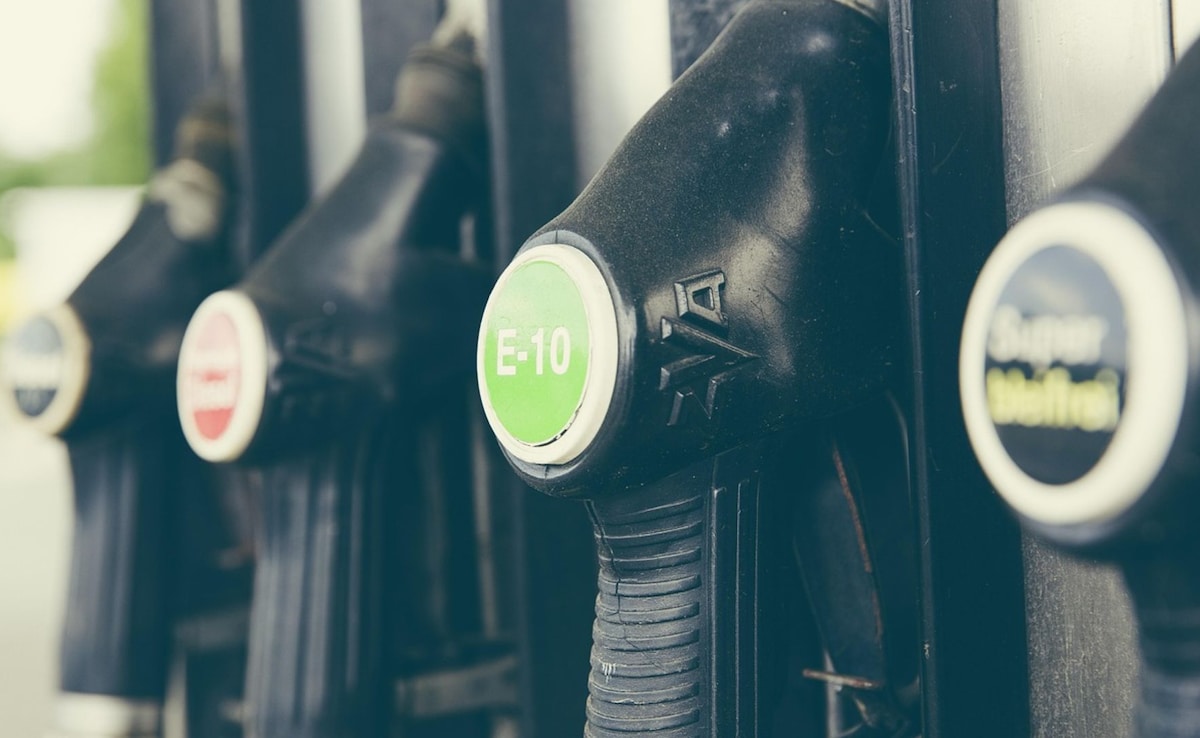
By tripling the levy on high-octane fuel, the Sharif administration expects to generate an additional 9 billion rupees monthly. In the cold logic of the Finance Ministry, this is "found money" extracted from luxury vehicle owners to offset the massive subsidies still propping up base-grade petrol and diesel. However, calling this a tax on the rich ignores the reality of supply chain contagion. High-octane fuel is a critical component for high-performance logistics and specific industrial machinery. When the cost of a primary input triples overnight, the price of the output never stays static.
The Invisible Inflation Chain
The government claims this hike won't touch public transport. That is a half-truth at best. In early March, the government already raised standard petrol and diesel prices by PKR 55 per litre. Diesel is the literal fuel of the Pakistani economy, powering the trucks that move food from Punjab to the ports of Karachi and the tractors that must plant the next harvest.
The Strait of Hormuz disruption has done more than just raise the price of a barrel of Brent crude, which peaked at $126 earlier this month. It has triggered a compound cost shock:
- Freight Costs: Shipping rates for the few vessels willing to navigate the periphery of the war zone have quadrupled.
- War-Risk Premiums: Insurance for any vessel entering the Arabian Sea is now a significant percentage of the cargo’s total value.
- Currency Devaluation: As the petroleum import bill swells, the Pakistani Rupee faces renewed downward pressure, making every subsequent barrel more expensive than the last.
A Nation in Energy Triage
The reality on the ground in Islamabad and Lahore is one of managed decline. To conserve what remains of the national oil reserves—estimated to cover only a few weeks of demand—the state has moved into an "emergency fuel-saving" mode. Schools have been shuttered, and public servants have been ordered back to remote work. These aren't lifestyle choices; they are survival strategies.
The aviation sector was the first to buckle. By March 10, domestic airfares had already climbed by up to PKR 5,000, while international routes to the Middle East saw jumps of PKR 28,000. For an economy that relies heavily on the remittances of workers in the Gulf, the severing of affordable air travel is a decapitation strike on one of its few reliable sources of foreign exchange.
The Fertilizer Time Bomb
While the headlines focus on the 200 percent fuel levy, the real disaster is brewing in the fields. The Strait of Hormuz is the primary exit for the Gulf’s urea and fertilizer exports. Pakistan is an agrarian state. Without these nutrients, the March planting season is effectively compromised. The Exchange Companies Association of Pakistan (ECAP) has already warned that a prolonged blockade could push national inflation toward the 15% to 17% range.
If the fertilizer doesn't arrive, the fuel price becomes secondary. You cannot eat high-octane gasoline, and you cannot run a country on "relief measures" funded by taxing a shrinking pool of luxury consumers.
The Myth of Targeted Relief
Prime Minister Sharif’s rhetoric suggests that the 9 billion rupees saved will be funneled into "relief for the public." In investigative terms, this is classic misdirection. That money is already earmarked for debt servicing and the ballooning cost of maintaining basic electricity grids that are currently facing a "crippling shortage" of LNG.
The State Bank of Pakistan has kept interest rates at 10.5 percent, citing "heightened uncertainty." This is the polite way of saying the bank is waiting for the other shoe to drop. If the IRGC continues to strike merchant vessels—with at least 12 ships already damaged and 7 abandoned—the current fuel prices will look like a bargain by April.
Pakistan’s vulnerability is structural. It has minimal strategic storage and zero meaningful alternatives to the maritime routes through the Gulf. While the government hunts for "wealthy" drivers to foot the bill, the average citizen is watching the price of milk, flour, and cooking oil creep upward in a direct, if delayed, reaction to the chaos 700 miles away in the Persian Gulf.
The 200 percent levy is not a solution. It is a tourniquet on a limb that is already gangrenous. Unless the maritime blockade is broken or a ceasefire is reached, the "luxury" of high-octane fuel will be the least of Pakistan's worries. The country is currently participating in a high-stakes experiment to see how long a modern economy can function when its primary energy artery is severed.
We are about to find out exactly where the breaking point lies.