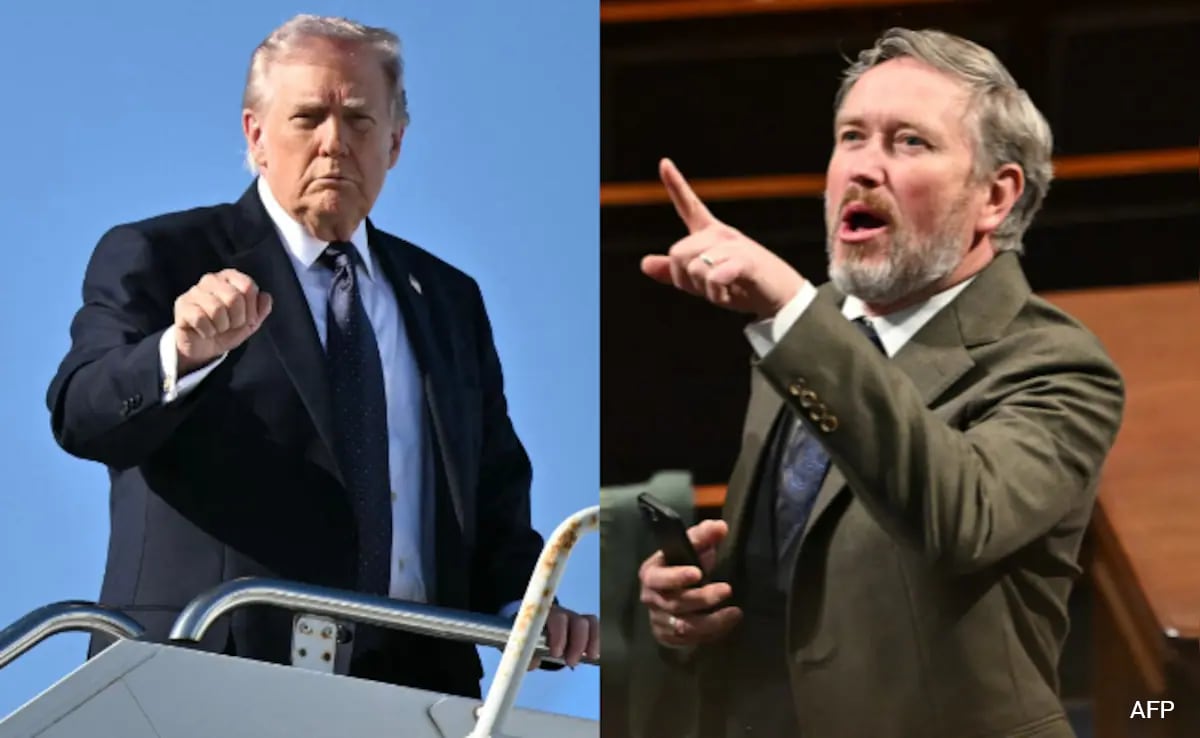
Donald Trump returned to the White House on Sunday evening with a calculated silence that spoke louder than the explosions still rocking Tehran. After forty-eight hours of "Operation Epic Fury," the American president declined to answer questions from the press corps on the South Lawn, instead pausing to admire new statues in the Rose Garden. It was a jarringly domestic moment for a commander-in-chief who, just hours earlier, had confirmed the death of Iranian Supreme Leader Ali Khamenei and signaled a total shift in the Middle Eastern order.
The mission is simple to state but impossible to ignore: the United States and Israel have launched a coordinated campaign to dismantle the Islamic Republic’s nuclear infrastructure and, effectively, its governing seat. While the competitor's brief coverage focused on the optics of the President’s return, the investigative reality is a complex web of "pre-emptive" strikes, a decapitated Iranian leadership, and a looming constitutional crisis in Washington. This is not a limited engagement. It is a war of choice designed to finish what decades of sanctions could not.
The Strategy of Decapitation
On February 28, 2026, the world woke up to a different Middle East. Under the cover of "Operation Epic Fury" (U.S.) and "Roaring Lion" (Israel), approximately 200 fighter jets and a swarm of "Task Force Scorpion Strike" drones targeted 500 sites across Iran. This was not just about centrifuges in Natanz or Isfahan. The strikes hit the Pasteur district of Tehran—the heart of the regime's power.
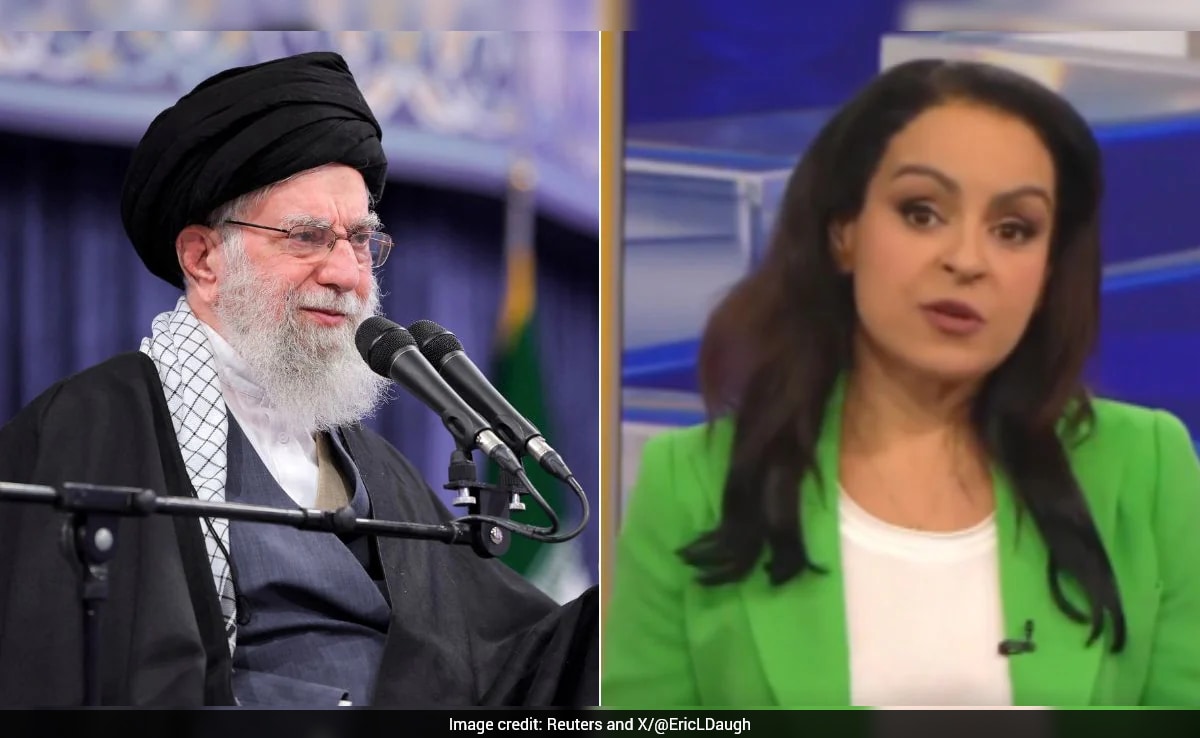
The confirmation of Ali Khamenei’s death has left a vacuum that an "interim leadership council" led by President Masoud Pezeshkian is struggling to fill. According to military analysts, the strike was a "decapitation" maneuver intended to paralyze the Iranian command structure before it could authorize a full-scale retaliatory launch of its ballistic missile arsenal.
Intelligence reports suggest the administration moved now because of a "now-or-never" window. Sources indicate that Iran was weeks away from a breakout nuclear capability and was preparing its own pre-emptive strike against U.S. assets in the Persian Gulf. By striking first, the White House claims it saved thousands of American lives.
A White Baseball Cap and a Truth Social Video
The way this war began is as significant as the missiles used. Trump bypassed the traditional Oval Office address, opting instead for an eight-minute video posted to Truth Social at 2:30 a.m. Saturday. Standing at a podium and wearing a white baseball cap, he addressed the Iranian people directly, telling them the "hour of your freedom is at hand" and urging them to "take back your country."
This is the "Trump Doctrine" in its purest form: high-velocity military action paired with direct-to-consumer digital diplomacy. It ignores the institutional norms of the State Department and the Pentagon. In fact, most of the Cabinet remained silent throughout the weekend. There were no Sunday morning talk show appearances by the Secretary of Defense or the Secretary of State. The President is the sole narrator of this conflict.
The Constitutional Firestorm in D.C.
While the missiles fell on Tehran, a different kind of explosion occurred on Capitol Hill. Democratic lawmakers, led by Senator Tim Kaine and House Minority Leader Hakeem Jeffries, are calling the strikes a "flagrant abuse of power." The primary grievance is the lack of Congressional authorization.
The administration’s legal justification rests on the idea of an "imminent threat," a broad interpretation of Article II powers that allows the President to defend the nation without a formal declaration of war. However, critics point out that the goal—regime change—goes far beyond immediate self-defense.
- The War Powers Resolution: Lawmakers are already drafting a vote to block further funding for the operation.
- The Gang of Eight: While Secretary of State Marco Rubio reportedly briefed some members of the "Gang of Eight" on Tuesday, many feel the notification was a formality rather than a consultation.
- The Casualties: Trump himself admitted that "American heroes may be lost." This admission has galvanized opposition from those wary of "forever wars" in the Middle East.
The Regional Fallout
The immediate aftermath has been chaotic. Bahrain intercepted nearly 100 missiles and drones targeted at its territory. The Strait of Hormuz, the world’s most critical oil chokepoint, is effectively closed, sending global energy markets into a tailspin.
In Tehran, the situation is even more dire. While the White House hopes for a popular uprising, the reality on the ground often involves a rally-around-the-flag effect. Even those who loathe the regime may not welcome American bombs falling on their neighborhoods. The precedent set in Venezuela—where the U.S. successfully removed Nicolás Maduro earlier this year—is clearly the blueprint being followed here. But Iran is not Venezuela. It has a deeper military infrastructure and a network of proxies across Lebanon, Syria, and Iraq that are already beginning to stir.
The End of Forebearance
The brutal truth is that this operation marks the end of a forty-seven-year era of "strategic patience" or "containment." The Trump administration has decided that the risk of a nuclear-armed Iran outweighs the risk of a regional war.
As the President walked back into the White House on Sunday, he didn't look like a man worried about a War Powers vote or an oil price hike. He looked like a man who had made his move and was waiting for the rest of the world to catch up. The strikes are scheduled to continue "as long as necessary."
This is no longer a shadow war. The shadows have been burned away by the heat of "Epic Fury," and what remains is a high-stakes gamble on the future of the 21st century.
Reach out to your local representatives to see where they stand on the upcoming War Powers Resolution vote.