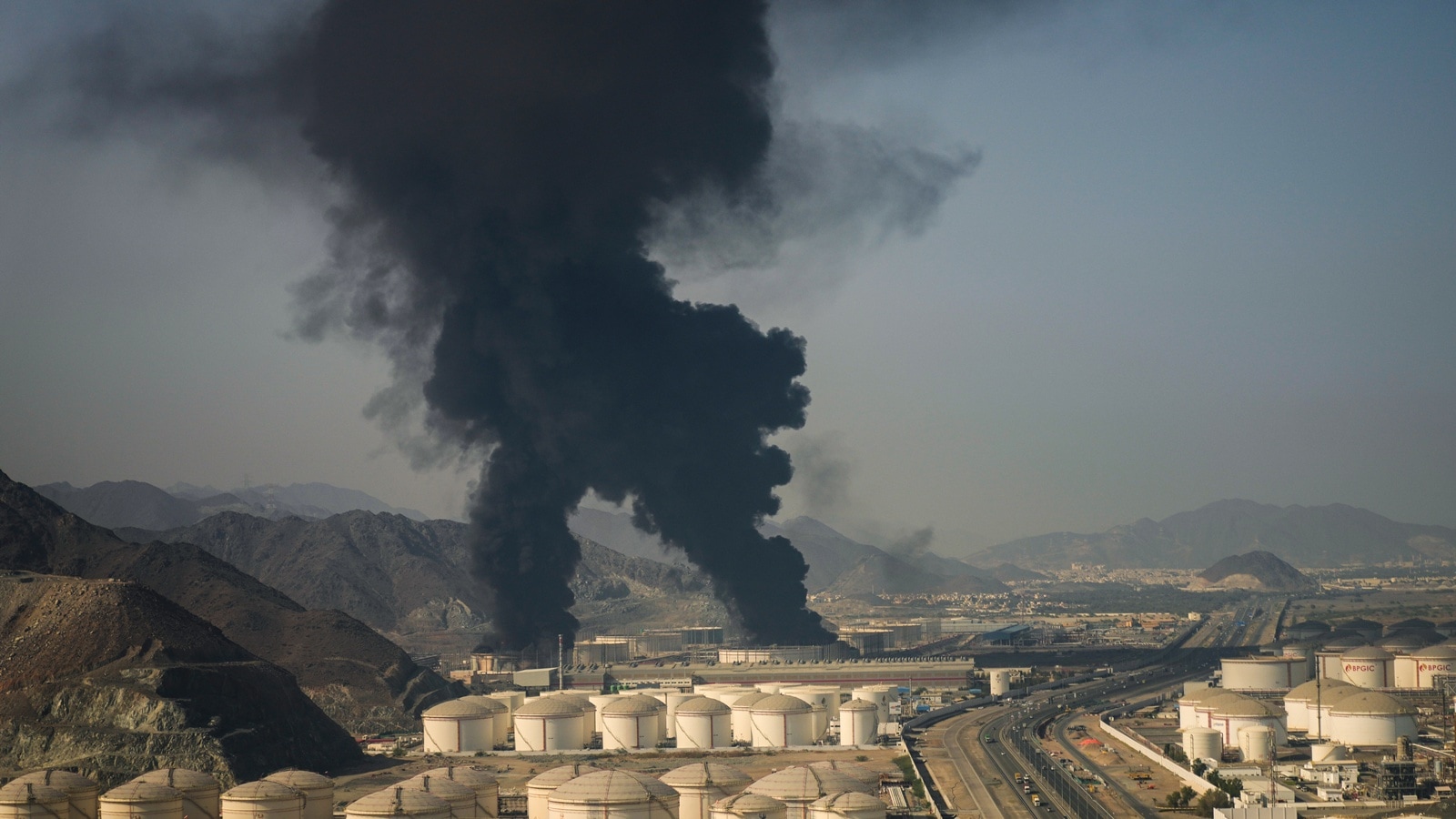
The current paralysis in global energy markets is not a byproduct of bad luck or a sudden shortage of crude. It is the predictable result of a decade spent ignoring the structural fragility of the Middle East while pretending that renewable transitions could happen without a stable bridge of fossil fuels. As prices surge following the escalation of conflict involving Iran, the narrative from Western capitals has shifted from confident green-energy roadmaps to a desperate, uncoordinated scramble for supply. Central banks are "running out of ideas" because their primary tool—interest rate manipulation—cannot produce a single barrel of oil or protect a tanker in the Strait of Hormuz.
The reality is that we are witnessing the first truly geopolitical energy crisis of the 21st century. Unlike the supply-chain hiccups of the early 2020s, this shock is rooted in the hard geography of the Persian Gulf and the long-term underinvestment in traditional extraction. When Iran’s role in regional stability shifted from a tense standoff to active kinetic disruption, the "just-in-time" energy model collapsed.
The Myth of the Strategic Reserve
For years, policymakers leaned on the Strategic Petroleum Reserve (SPR) as a safety net. It was designed for short-term disruptions, a metaphorical fire extinguisher for a kitchen grease fire. But you cannot put out a forest fire with a kitchen tool. By the time the current crisis hit, those reserves were already at historic lows, drained to manage previous price spikes that were politically inconvenient.
Now, the math is unforgiving. With the SPR depleted, there is no psychological floor for the market. Traders know that the buffer is gone. This lack of a safety net has turned every headline about a drone strike or a closed shipping lane into a five-dollar jump in the price of a barrel. We are seeing a "fear premium" that is no longer speculative; it is a permanent fixture of the new energy economy.
Why the Permian Basin Cannot Save Us
There is a common misconception that American shale can simply "turn on the taps" to offset losses from the Middle East. It is a seductive idea, but it ignores the logistical and financial reality of the fracking industry. Wall Street has changed its demands. Investors no longer want growth at any cost; they want dividends and debt reduction.
Furthermore, the labor market for the oil patch is tight. You cannot conjure specialized engineers and rig crews out of thin air. Even if the rigs were available, the infrastructure to move that oil—pipelines, refineries, and export terminals—is operating at near-full capacity. The United States is an energy powerhouse, but it is not a valve that can be opened overnight to stabilize a world losing access to Iranian and regional exports.
The Refining Bottleneck Nobody Talks About
Crude oil is useless if you cannot turn it into diesel, gasoline, or jet fuel. While the world focuses on the price of "Brent" or "WTI," the real crisis is in the "crack spread"—the difference between the price of crude and the price of the refined products.
Global refining capacity has been shrinking for years. Many older refineries in Europe and the North American East Coast were shuttered during the transition toward "cleaner" investments. The result is a system with zero redundancy. When a major supplier like Iran is sidelined, or when shipping lanes are threatened, the remaining refineries must work overtime. Any mechanical failure or routine maintenance at a refinery in New Jersey or Rotterdam now has the power to send regional fuel prices into a tailspin.
The Shipping Lane Stranglehold
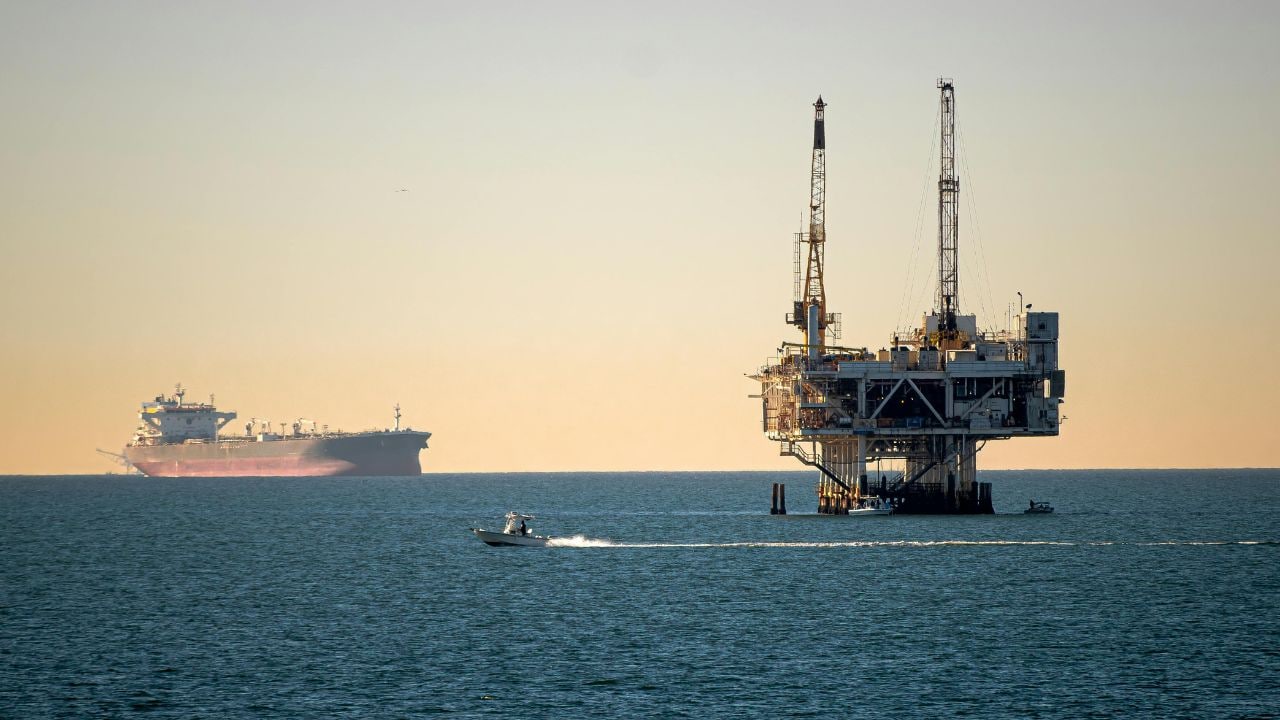
Geography is the one thing technology cannot disrupt. The Strait of Hormuz remains the world's most important oil transit chokepoint. Approximately one-fifth of the world’s total oil consumption passes through this narrow stretch of water.
When Iran maneuvers in these waters, the insurance rates for tankers skyrocket. These costs are not absorbed by the shipping companies; they are passed directly to the consumer at the pump and in the cost of every plastic good or food item delivered by a truck. The "shock" isn't just about the oil that doesn't move; it’s about the massive increase in the cost of the oil that does.
The Failure of Monetary Policy
Central banks are in a corner. Typically, when inflation rises, they raise interest rates to cool the economy. But this inflation is "cost-push" inflation. Raising interest rates does not make it cheaper to ship oil from the Gulf. In fact, higher rates make it more expensive for energy companies to borrow the capital needed to explore new fields or build the very refineries we need to lower prices.
We are seeing a decoupling of financial markets from energy reality. The "ideas" being floated—price caps, windfall taxes, or further interest rate hikes—are cosmetic. They address the symptoms of high prices rather than the cause of low supply.
The Hidden Cost of the Green Transition Gap
The transition to renewable energy is necessary, but the "gap" between today and a fully green tomorrow is being managed poorly. By stigmatizing long-term investment in oil and gas, the West created a vacuum that is now being filled by volatility.
Capital that should have gone into making current fossil fuel extraction cleaner and more efficient instead fled the sector. Now, we find ourselves needing those fuels more than ever, but with a supply chain that is brittle and prone to breakage. This isn't an argument against green energy; it is an indictment of how the transition was paced. We tore down the old house before the new one had a roof.
The Geopolitical Realignment
This oil shock is accelerating a shift in global power dynamics. As Western nations struggle with inflation and energy shortages, they are losing their ability to dictate terms. Countries with surplus energy are the new central banks. They hold the "liquidity" that actually matters.
We are seeing the emergence of a multi-polar energy world where the traditional "petrodollar" is under pressure. If a significant portion of the world's oil begins trading in other currencies to bypass sanctions or political pressure, the United States loses its most potent economic lever. This is the "hard-hitting" reality: the oil shock isn't just making gas more expensive; it is eroding the foundational power of the Western financial system.
The Industrial Fallout
Heavy industry—steel, chemicals, glass—cannot run on intermittent power. In regions like Germany and Northern Italy, the combination of the Iran-related shock and the loss of cheap Russian gas has led to "deindustrialization."
Factories are not just slowing down; they are closing or moving to where energy is cheaper and more reliable. This creates a permanent shift in the global labor market. Once an aluminum smelter or a chemical plant closes due to energy costs, it rarely reopens in the same location. The economic scars of this period will last decades, long after the current conflict subsides.
The Consumer Breaking Point
Retail sales figures are beginning to show the strain. When a household has to spend an extra $150 a month on fuel and heating, that money is pulled directly from "discretionary" spending. This is the mechanism by which energy shocks cause recessions.
It is a slow-motion car crash. First, the transport costs go up. Then, the price of groceries follows. Then, the service sector begins to see a drop in customers. Finally, the layoffs begin in industries that have nothing to do with oil. We are currently in the second stage of this process, and the "ideas" coming from government task forces are largely focused on subsidizing the cost for consumers—which only keeps demand high and prevents the market from balancing itself.
The Storage Crisis
Because the market is in a state of "backwardation"—where the price of oil for immediate delivery is higher than the price for future delivery—there is no incentive for private companies to store oil. They want to sell every drop they have right now to capture the high price.
This means that if a true total blockade of the Gulf were to occur, there would be almost no private commercial inventory to lean on. We are operating with a "zero-stock" mentality in a world that has become incredibly dangerous.
The Way Forward Requires Brutal Honesty
To fix this, there must be an end to the "magical thinking" that has dominated energy policy for a decade. We need a three-pronged approach that acknowledges the world as it is, not as we wish it to be.
First, there must be a massive, state-backed push to expand refining capacity. This is the true bottleneck. Without more "cracking" capability, the price of crude is almost irrelevant to the person trying to fill a truck.
Second, the strategic reserves must be rebuilt and protected for true emergencies, not used as a political tool to manipulate mid-term election cycles.
Third, there needs to be a diplomatic "realism" regarding the Middle East. If the goal is to sideline Iran, there must be a simultaneous plan to bring massive amounts of supply online from elsewhere—be it Venezuela, Libya, or increased domestic production. You cannot have a "maximum pressure" foreign policy and a "minimum impact" energy price at the same time. The laws of supply and demand do not care about your geopolitical goals.
The era of cheap, easy, and politically "clean" energy is over. The current shock is a siren, warning that the global economy is built on a foundation of sand. Unless there is a fundamental shift toward securing physical energy supplies and the infrastructure that moves them, the next shock will not just be an "idea" for a headline—it will be the end of the post-war economic order as we know it.