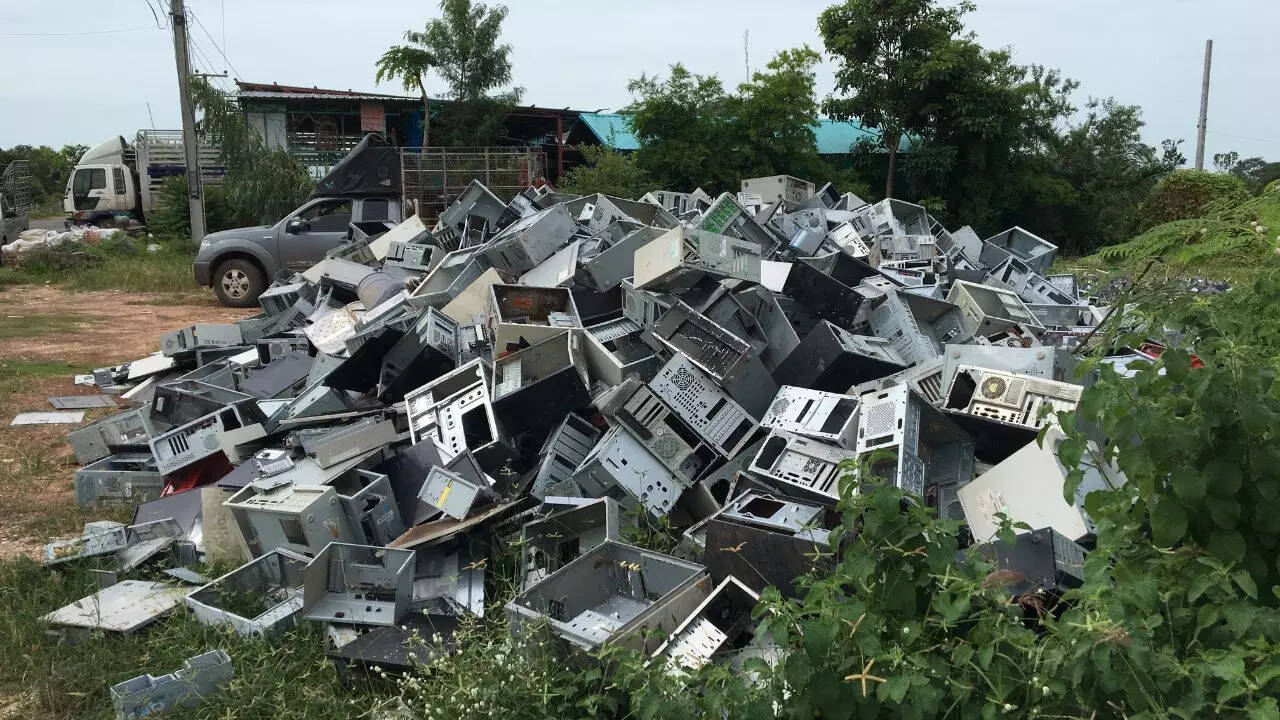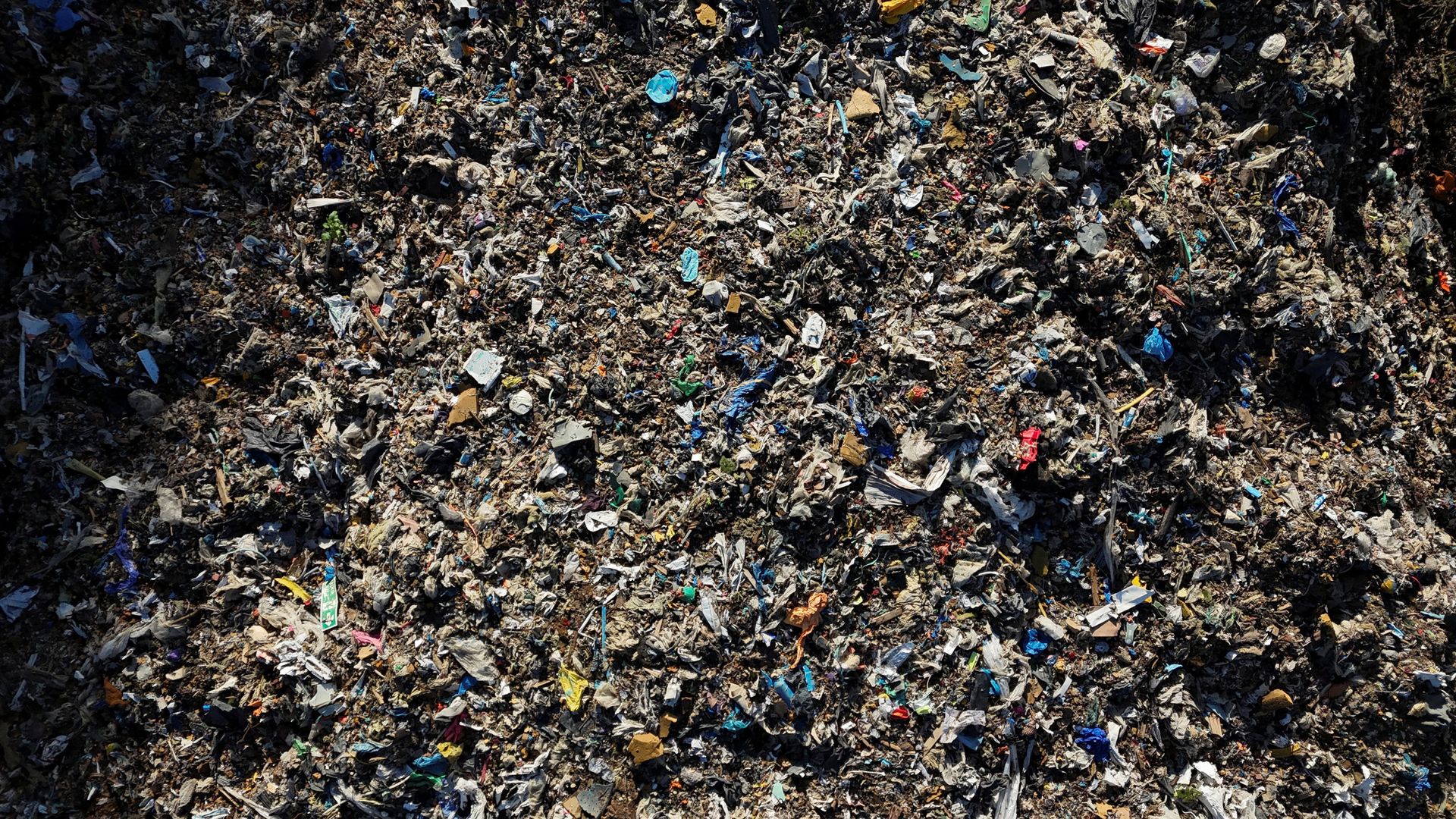
The British countryside has become a crime scene that nobody is processing. For years, the Environment Agency (EA) has struggled to contain a tidal wave of illegal waste dumping, toxic spills, and industrial-scale water pollution. Now, a radical shift in enforcement is on the table. Government ministers are weighing a proposal to grant EA officers "police-style" powers, including the authority to arrest suspects and seize vehicles without waiting for a constable to arrive. This is not just a bureaucratic tweak. It is a desperate admission that the current system of "regulation by appointment" has collapsed under the weight of organized crime and corporate negligence.
Granting these powers would fundamentally change how environmental law is enforced in England. Currently, EA officers often find themselves playing a dangerous game of cat and mouse with hardened criminals. When they discover an illegal waste site, they usually have to call for police backup to make an arrest or secure evidence. By the time the police arrive—if they arrive at all—the suspects have vanished and the paper trail has gone cold. By cutting out the middleman, the government hopes to turn a toothless regulator into a formidable paramilitary force capable of taking on the "waste thin air" gangs that cost the UK economy over £1 billion every year.
The Illusion of Regulation
For the better part of a decade, the Environment Agency has operated on a shoestring. Funding cuts have stripped away the frontline staff needed to conduct unannounced inspections. What remains is a system that relies heavily on self-reporting from the very companies it is supposed to monitor. This "trust-based" model has been a disaster for the nation’s waterways.
When an EA officer shows up at a chemical plant or a construction site, they are currently viewed more as a nuisance than a threat. They lack the legal muscle to compel immediate cooperation in the same way a police officer does. This power vacuum has been exploited. Criminal syndicates have realized that illegal waste disposal is a high-reward, low-risk enterprise. They can dump thousands of tons of hazardous material on farmland, walk away with six-figure profits, and face little more than a civil fine if they are caught years later.
The move toward police powers is designed to shatter this sense of impunity. It would allow officers to execute warrants, seize mobile phones for forensic analysis, and detain individuals at the scene of a crime. This is a hard-line pivot intended to signal that environmental degradation is no longer a "white-collar" oversight, but a serious criminal offense.
The High Cost of Enforcement
Giving a civilian agency the power to arrest is a massive legal and logistical undertaking. It isn't as simple as handing out handcuffs and a badge. To make this work, the EA will need to overhaul its entire training infrastructure.
Officers will require rigorous instruction in the Police and Criminal Evidence Act (PACE). They will need to learn how to manage volatile situations, use reasonable force, and ensure that evidence is collected in a way that stands up in a Crown Court. This requires a level of investment that the agency has not seen in a generation. Without a significant injection of cash, these new powers will exist only on paper. There is also the matter of safety. If EA officers are expected to confront organized crime groups, they will inevitably face higher levels of violence.
The Recruitment Crisis
There is a significant question of who will actually do this work. The current crop of EA employees consists largely of scientists, ecologists, and career civil servants. Most did not sign up to be "green police." Asking a water quality scientist to pivot into tactical enforcement is a tall order. We are likely to see a shift in recruitment, drawing from the ranks of former police officers and military veterans. This changes the culture of the agency. While a more aggressive stance might catch more criminals, there is a risk that the scientific and advisory role of the EA—helping businesses stay compliant—will be sidelined in favor of a "cuff 'em and stuff 'em" mentality.
Liability and Oversight
With great power comes the inevitable risk of abuse. If EA officers are granted police-style authority, they must be subject to the same level of scrutiny as the police. This means oversight from the Independent Office for Police Conduct (IOPC) or a newly created equivalent.
The legal threshold for "reasonable suspicion" is a high bar. A botched arrest or an illegal search could result in massive lawsuits against the taxpayer. Industry leaders are already expressing concern that these powers could be used to bully legitimate businesses over minor technical infractions, rather than focusing on the "fly-tipping kingpins" the government claims to be targeting.
The Waste Crime Gold Mine
To understand why these powers are being considered, you have to follow the money. Waste crime is the "new narcotics." It is easier to hide, easier to transport, and the sentences are laughably short compared to drug trafficking.
Consider a hypothetical scenario where an organized crime group rents a warehouse under a shell company. Over three weeks, they fill it to the rafters with shredded plastic and hazardous medical waste. They then vanish, leaving the landowner with a £500,000 cleanup bill. Under current rules, the EA might spend months trying to track the directors of the shell company through a labyrinth of offshore accounts. With police powers, they could raid the site while it's active, seize the trucks, and arrest the drivers to flip them for information on the bosses.
This is the "how" of the proposed change. It is about speed. In the world of investigative enforcement, delay is the enemy of justice. By the time the EA currently gathers enough evidence to request a police-led raid, the money has been laundered and the principals have moved on to the next scam.
A Systemic Failure of Deterrence
The judiciary has historically been soft on environmental criminals. Fines are often treated as a "cost of doing business" rather than a deterrent. Even if the EA gets these new powers, they will be useless if the courts continue to hand out suspended sentences for massive pollution incidents.
A hard-hitting enforcement agency needs a supportive legal framework. This means mandatory minimum sentences for large-scale illegal dumping and the aggressive use of the Proceeds of Crime Act (POCA) to strip criminals of their assets. If an officer arrests a polluter, but a judge let's them off with a slap on the wrist, the entire exercise is a waste of resources.
The business community is split on this issue. On one hand, legitimate waste management companies are being undercut by rogue operators who don't pay disposal fees or taxes. These businesses want the EA to have teeth so the playing field is leveled. On the other hand, there is a palpable fear of "regulatory creep." If an EA officer has the power to shut down a site and arrest a manager because of a disputed permit, it creates a climate of uncertainty that could deter industrial investment.
The Infrastructure of a Shadow Police Force
If the government moves forward, we will see the creation of specialized Environmental Strike Teams. These wouldn't be the traditional officers checking fishing licenses on a riverbank. They would be intelligence-led units focusing on data mining, surveillance, and high-stakes interventions.
This requires a massive upgrade in technology. We are talking about drones with thermal imaging to spot illegal heat signatures at night, GPS tracking on suspect vehicles, and advanced software to map the movements of waste across borders. The "police-style" powers are the legal key that unlocks this tactical toolbox.
The reality is that the Environment Agency is currently bringing a knife to a gunfight. The criminals are sophisticated, well-funded, and mobile. The agency is slow, underfunded, and legally hamstrung. Bridging that gap is the primary motivation for this policy shift.
The Risks of a Two-Tier Justice System
There is a danger that by creating a "green police," we create a two-tier justice system where environmental crimes are handled with more or less transparency than traditional crimes. The public needs to know that these powers won't be used to suppress environmental protestors or to bypass the rights of small-scale farmers who make honest mistakes.
Transparency will be the only way to maintain public trust. This means body-worn cameras for all EA enforcement officers and a clear, public record of every time an arrest power is exercised. If the agency becomes a "black box" of enforcement, it will lose the moral authority it needs to protect the environment.
The Unspoken Truth
The push for police powers is an admission that the UK’s environmental protection strategy has failed. We have allowed our rivers to become sewers and our land to become a dumping ground because we were too afraid to be "anti-business." Now, the damage is so severe that only a paramilitary-style intervention is seen as a viable solution.
It is a grim milestone in the history of British regulation. We are moving away from a society that follows the rules because it’s the right thing to do, and toward a society that only follows the rules because a man with a badge and the power to take your freedom is standing over your shoulder.
The government must now decide if it is willing to pay the bill for this new era of enforcement. Police powers without police-level funding is just a PR stunt. If the Environment Agency is to become the guardian the country needs, it must be transformed from the ground up, not just given a new set of toys and told to go catch the bad guys.
Ask your local MP how they plan to fund the oversight of these new EA powers to ensure they are used against industrial polluters rather than small businesses.